


Thinking about becoming a U.S. citizen? It’s a big step, and honestly, the whole process can seem pretty overwhelming at first glance. You’ve probably heard a lot about naturalization and what it means to be a citizen. This guide is here to break down the journey to American citizenship, step by step. We’ll cover everything from checking if you’re eligible to the final oath ceremony. Our goal is to make the path to naturalization ciudadania americana as clear as possible for you.
Key Takeaways
- Understand the specific requirements for naturalization based on your personal situation.
- Learn how to correctly fill out and submit Form N-400, the application for naturalization.
- Prepare thoroughly for your USCIS interview, including the English and civics tests.
- Know what to expect after your application is approved, leading up to the Oath of Allegiance ceremony.
- Recognize the significant benefits that come with American citizenship, such as voting rights and family sponsorship.
Understanding Eligibility For American Citizenship
So, you’re thinking about becoming a U.S. citizen? That’s a big step, and it all starts with figuring out if you even qualify. It’s not just about wanting it; there are specific rules you need to meet. Think of it like checking if you have all the ingredients before you start baking.
Reviewing Requirements Based on Your Specific Case
Everyone’s situation is a little different, right? That’s why the first thing you should do is look at your own background. Are you over 18? Have you been a lawful permanent resident for a certain amount of time? These are the kinds of questions you need to ask yourself. It’s not a one-size-fits-all deal. For most people, you’ll need to have had your green card for at least five years. But, if you’re married to a U.S. citizen, that timeline can sometimes be shorter, like three years. It really depends on the details of your life and your immigration status.
Key Eligibility Criteria for Naturalization
There are a few main things USCIS looks at when deciding if you can become a citizen. You absolutely need to be at least 18 years old. You also need to have been a lawful permanent resident for the required period – usually five years, or three if you’re married to a U.S. citizen. Beyond that, you have to show you’ve been physically present in the U.S. for a good chunk of that time, generally at least 30 months out of the last five years. It’s not just about having the card; it’s about living here. Good moral character is also a big one, and they’ll look at your history to see if you’ve met that requirement. Plus, you’ll need to demonstrate you can speak, read, and write basic English and that you know about U.S. history and government.
Here’s a quick rundown of the main points:
- Age: Must be 18 or older.
- Residency: Generally, 5 years as a lawful permanent resident (Green Card holder).
- Spousal Exception: 3 years if married to a U.S. citizen.
- Physical Presence: Lived in the U.S. for at least 30 months within the required residency period.
- Good Moral Character: No serious criminal history or other disqualifying factors.
- English Proficiency: Ability to speak, read, and write basic English.
- Civic Knowledge: Understanding of U.S. history and government.
It’s really important to be honest about everything on your application. Trying to hide something, even if you think it’s small, can cause major problems down the road. USCIS wants to see that you’ve been upfront and truthful throughout your time in the U.S.
Distinguishing Between Citizenship and Permanent Residency
It’s easy to mix up being a permanent resident (having a green card) with being a citizen, but they’re quite different. As a permanent resident, you can live and work in the U.S. indefinitely, but you don’t have all the rights of a citizen. You can’t vote in federal elections, and in some very rare cases, you could even face deportation. Citizenship, on the other hand, is permanent. You get the right to vote, you can get certain jobs that require security clearances, and you can’t be deported. It’s the highest level of belonging in the country. Applying for naturalization is how you move from permanent residency to full citizenship. You’ll be filling out the Form N-400 for this process.
Navigating The Naturalization Application Process
So, you’ve figured out you’re eligible for citizenship. That’s awesome! The next big hurdle is actually applying. This part involves a few key steps, and getting them right can make a world of difference in how smoothly things go. It’s not exactly a walk in the park, but with a bit of focus, you can totally handle it.
Completing and Submitting Form N-400
This is where it all begins: the N-400, Application for Naturalization. Think of it as your official ticket to the citizenship party. You’ll need to fill it out completely and accurately. Seriously, don’t rush this. Any mistakes or missing info can cause delays, and nobody wants that. USCIS has resources to help you, including instructions in Spanish if that makes things easier. It’s a pretty detailed form, asking about your personal history, your time in the U.S., and more.
- Gather all necessary documents beforehand. This includes things like your green card, passport, marriage certificates (if applicable), and tax records. Having them ready will make filling out the form much faster.
- Be honest and thorough. Don’t try to hide anything. If you have past issues, it’s better to disclose them and explain. USCIS will find out anyway.
- Double-check everything before submitting. A second pair of eyes, maybe a friend or a legal advisor, can catch errors you might have missed.
Preparing Your Application Package
Once the N-400 is filled out, you need to put together the rest of your application package. This isn’t just the form itself; it’s everything that goes along with it. You’ll likely need to include copies of your Permanent Resident Card (green card) and possibly other supporting documents depending on your specific situation, like marriage certificates or divorce decrees.
It’s also important to include the correct filing fee. If you can’t afford the fee, you might be eligible for a fee waiver, so look into that. Make sure you send everything to the correct USCIS Lockbox facility. The instructions for the N-400 will tell you exactly where to send it.
Understanding Biometrics Appointment Procedures
After USCIS receives your application, they’ll schedule you for a biometrics appointment. This is usually a few weeks to a couple of months after you submit your N-400. Don’t skip this! It’s a mandatory step. At the appointment, they’ll take your fingerprints, a photograph, and your signature. This is all for background checks and to confirm your identity. Make sure you bring the appointment notice and your green card.
Arriving on time for your biometrics appointment is important. It’s also a good idea to dress neatly, as you’ll be having your photo taken. Be prepared to go through a security check, so leave any prohibited items at home.
It might seem a bit intimidating, but it’s a pretty standard procedure. Just be polite, follow the instructions, and you’ll be out of there before you know it. This step is all about making sure everything checks out before you move on to the interview stage.
Preparing For Your Citizenship Interview
So, you’ve made it through the application and biometrics – that’s awesome! The next big step is the interview. Think of it as a conversation where a USCIS officer checks everything over and makes sure you’re ready to become a citizen. It’s totally normal to feel a bit nervous, but with the right prep, you’ll do great.
Reviewing Documents and Background Information
Before you even think about the interview itself, you need to get your paperwork in order. This isn’t just about having the N-400 form; it’s about bringing all the supporting documents that prove what you put on your application. This includes things like your green card, passport, birth certificate, marriage certificate (if applicable), tax returns, and any other documents that show you meet the requirements. It’s also a good time to think about your personal history. Were there any hiccups, like traffic tickets, arrests, or times you were out of the country for a while? Be ready to explain these things honestly and calmly. Having a clear record and being prepared to discuss any past issues is key.
Preparing for the USCIS Interview
This interview is your chance to show you’re ready for citizenship. The officer will ask you questions about your N-400 application to confirm the information is correct. They’ll also want to know about your background and your commitment to the U.S. It’s really important to be truthful and consistent with what you’ve already submitted. Practice answering common questions out loud. You can find lists of these online, and it really helps to say the answers instead of just thinking them. Think about how you’d explain your job, your family, and why you want to be a U.S. citizen. If you have any past immigration issues or criminal records, make sure you have explanations and any necessary documentation ready. This is where having a solid understanding of your own history makes a big difference.
Understanding the English and Civics Tests
Part of the interview involves two tests: one for English and one for U.S. civics. For the English test, the officer will assess your ability to speak, understand, read, and write basic English. They’ll chat with you about your application, and you’ll need to read a sentence aloud and write one down. For the civics test, you’ll be asked up to 10 questions about U.S. history and government. You need to get at least six correct to pass. There’s a list of 100 possible civics questions, and studying these is your best bet. Many people find it helpful to study with a friend or family member, or use online resources. Remember, the goal is to show you know enough about how the U.S. works and can communicate effectively. You can find great resources to help you prepare for your U.S. citizenship interview in 2026 on the official USCIS website.
Here’s a quick look at what the tests involve:
- English Test:
- Speaking: Assessed during the interview conversation.
- Reading: Read one out of three sentences correctly.
- Writing: Write one out of three sentences correctly.
- Civics Test:
- Answer at least 6 out of 10 questions correctly from a list of 100.
- Questions cover U.S. history and government.
Don’t get too stressed about the tests. They are designed to assess basic knowledge and language skills. Focus on studying the official materials provided by USCIS, and practice regularly. Confidence comes from preparation.
If you’re unsure about any part of the process or have complex background issues, talking to an immigration lawyer can be really helpful. They can guide you on how to best present your case and prepare for potential challenges.
The Final Steps to Citizenship
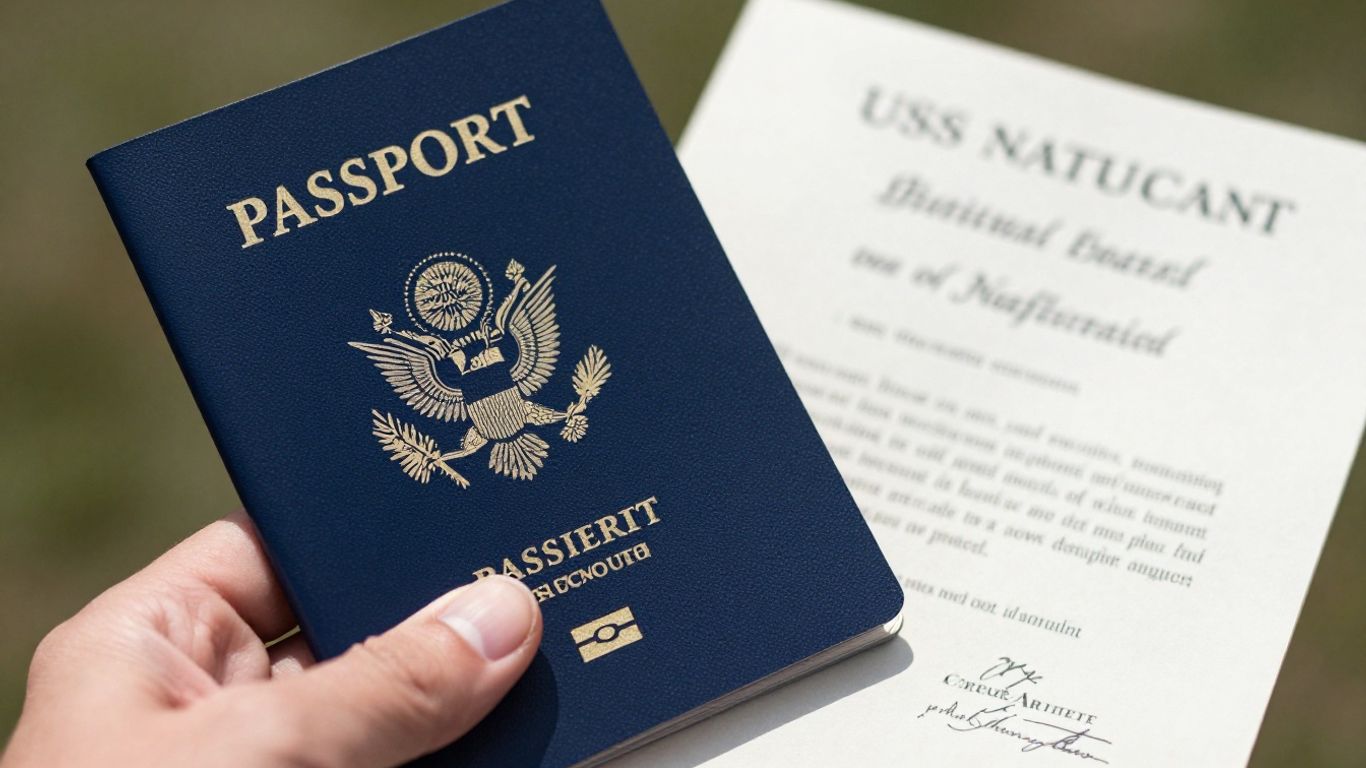
So, you’ve made it through the interview and passed the tests. That’s fantastic news! The finish line is in sight, and it’s an exciting time. The next steps are pretty straightforward, but they’re important to get right.
Receiving Application Approval
After your interview, USCIS will let you know if your application for naturalization has been approved. This usually happens pretty quickly, sometimes even right at the end of your interview. If, for some reason, you didn’t pass the English or civics test, don’t panic. You’ll typically get a chance to retake them. The approval notice is your official confirmation that you’re on your way to becoming a U.S. citizen. It’s a good idea to double-check this notice for any errors, especially with your name and personal details, before you move on.
Attending the Oath of Allegiance Ceremony
This is the big one, the moment you officially become a citizen! You’ll be invited to attend an Oath of Allegiance ceremony. This is a formal event where you’ll swear loyalty to the United States. It’s a pretty moving experience for most people. You’ll receive your Certificate of Naturalization here, which is your proof of citizenship.
- What to Bring: Make sure you bring the required identification documents, usually your green card and the notice from USCIS.
- What to Expect: The ceremony typically includes a welcome, the oath itself, and the presentation of your certificate.
- Dress Code: While not strictly enforced, it’s a significant occasion, so dressing respectfully is a good idea.
This ceremony is the culmination of your journey. It’s where you formally pledge your allegiance and transition from a permanent resident to a full U.S. citizen.
Enjoying Your New Citizenship Rights
Congratulations, you’re a citizen! Now you get to enjoy all the rights and responsibilities that come with it. This includes the right to vote in federal elections, which is a huge part of civic participation. You can also apply for a U.S. passport, making international travel much simpler. Plus, you gain protection against deportation and can sponsor certain family members for immigration. It’s a big change, and it opens up a lot of new possibilities. You can find more information on the naturalization process and what comes next.
Benefits of American Citizenship

Becoming a U.S. citizen is a big deal, and it comes with some pretty significant advantages. It’s more than just a title; it’s a gateway to a whole new level of rights and security in the United States. Think of it as getting the full membership card to the country.
Voting Rights and Civic Participation
One of the most talked-about benefits is the right to vote. As a citizen, you get a say in who represents you and who makes the laws, from local elections all the way up to the presidential race. This is a powerful way to be involved in how the country is run. It’s your chance to make your voice heard on issues that matter to you and your community.
Sponsoring Family Members
Citizenship also opens up more doors when it comes to bringing family to the U.S. While permanent residents have some ability to sponsor relatives, citizens can petition for a wider range of family members, including parents, siblings, and married children. This can make a huge difference for families looking to reunite.
Protection Against Deportation and Enhanced Travel
This is a really important one: as a citizen, you cannot be deported. Your status is permanent and secure. This offers a level of peace of mind that permanent residents don’t have. Also, traveling abroad becomes much simpler. You can get a U.S. passport, which makes international travel smoother and avoids potential issues with re-entering the country that non-citizens might face. You won’t have to worry about your immigration status lapsing if you spend extended time outside the U.S.
Beyond these key points, citizenship often means eligibility for certain government jobs that are off-limits to non-citizens. It also grants access to federal student aid and other public benefits without the same restrictions that might apply to permanent residents. It’s about having the fullest possible rights and opportunities available in the country.
Here’s a quick look at some of the key differences:
| Feature | Permanent Resident (Green Card) | U.S. Citizen (Naturalized) |
|---|---|---|
| Right to Vote | No | Yes |
| Protection from Deportation | No | Yes |
| Sponsoring Family | Limited | Broader |
| U.S. Passport | No | Yes |
| Federal Job Eligibility | Limited | Yes |
Your Journey to Citizenship
So, you’ve made it through the whole process. It wasn’t always easy, right? There were probably moments you wondered if you’d ever get here. But you did. Taking that final oath and becoming a U.S. citizen is a huge deal, a real milestone. It means you’ve got a new set of rights and responsibilities, and a permanent place in this country. It’s the start of a new chapter, and we hope this guide helped make that journey a little clearer. Congratulations on reaching this important goal!
Frequently Asked Questions
What’s the main difference between being a permanent resident and a U.S. citizen?
Think of a permanent resident, or Green Card holder, as someone who has permission to live and work in the U.S. for a long time. They have to renew their Green Card every 10 years and can’t vote in federal elections. They might also have to leave if they break certain laws or spend too much time outside the country. A U.S. citizen, on the other hand, has a permanent place in the country. They can vote, travel freely, and generally can’t be deported. It’s a much more secure status.
How long do I have to live in the U.S. before I can apply for citizenship?
Generally, you need to have been a lawful permanent resident (meaning you have your Green Card) for at least 5 years. However, if you are married to a U.S. citizen, that time can be reduced to 3 years. It’s important to also have lived in the U.S. for at least half of that time and to have been physically present in the country for at least 30 months.
What is the N-400 form?
The N-400 is the official application form you need to fill out to become a U.S. citizen through naturalization. It asks for a lot of information about your background, your time in the U.S., and your personal history. It’s super important to fill it out accurately and completely, as any mistakes could cause delays or even lead to your application being denied.
What happens at the biometrics appointment?
After you submit your N-400 application, USCIS will schedule you for a biometrics appointment. This is where they’ll take your fingerprints, take your photo, and get your signature. This information is used to check your background, including any criminal records, to make sure you meet the good moral character requirement for citizenship.
Do I really need to know English and U.S. history to become a citizen?
Yes, you do! During your interview, you’ll have to take two tests. One is an English test to see if you can read, write, and speak basic English. The other is a civics test, which checks your knowledge of U.S. history and government. There are study materials available to help you prepare for these important tests.
What happens after my citizenship interview?
If you pass your interview and both tests, USCIS will usually let you know if your application is approved. The very last step is attending an Oath of Allegiance ceremony. This is a special event where you officially promise to be loyal to the United States. Once you take the oath, you are officially a U.S. citizen!