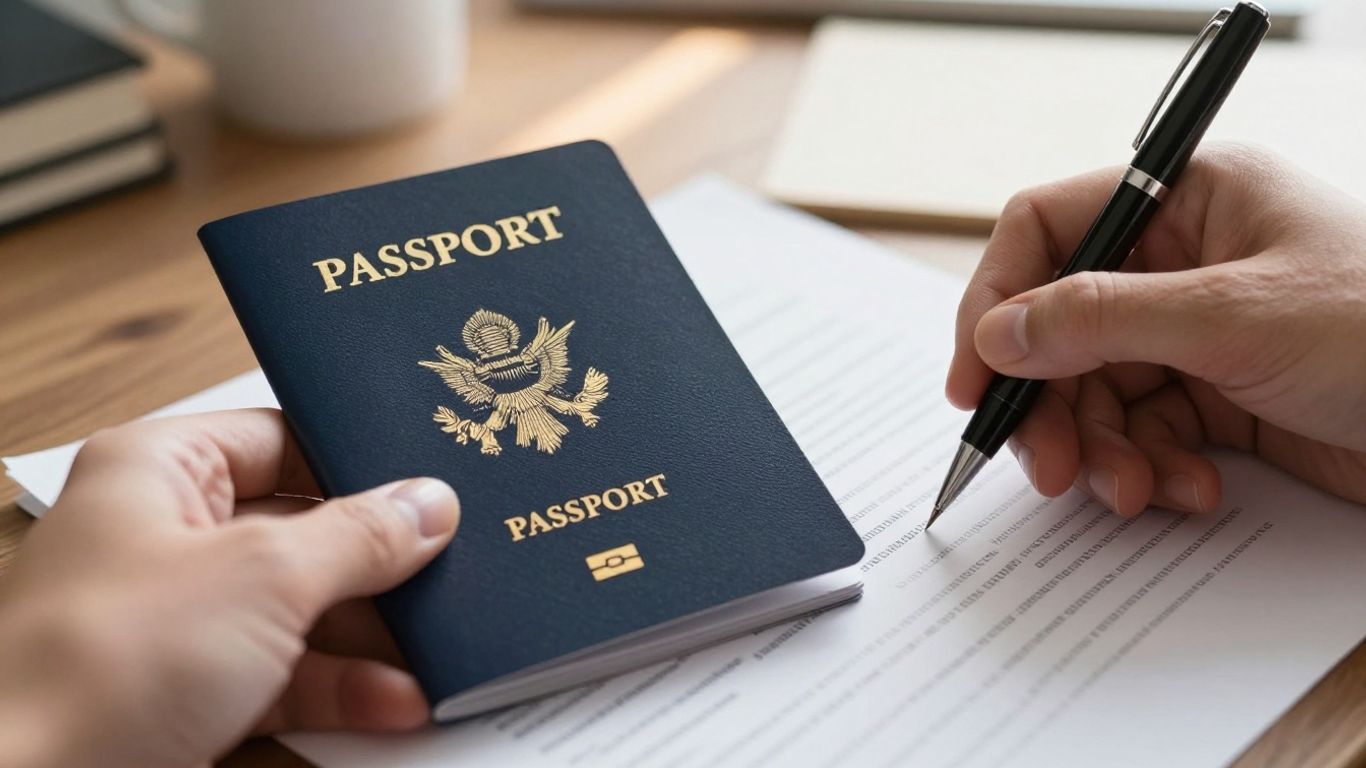
Thinking about bringing a family member to live in the U.S.? A big part of that process involves something called the I-130 petition, or ‘petición familiar I-130’ as it’s also known. It might sound complicated, but it’s really just the first official paper you file to let the government know you have a family connection with someone who wants to immigrate. This form is the starting point for many family-based green card applications. We’ll break down what it is, who can file it, and what you need to get it done.
Key Takeaways
The Form I-130, or ‘petición familiar I-130’, is the initial step for U.S. citizens and green card holders to sponsor a foreign relative for a green card.
Only U.S. citizens and Lawful Permanent Residents (LPRs) can file an I-130. The specific relatives you can sponsor depend on your own immigration status.
Required documents include proof of your status (like a birth certificate or green card), proof of the family relationship (like a marriage or birth certificate), and sometimes evidence of prior marriages.
Filing can be done online, which is often easier, or by mail. An approved I-130 means the relationship is recognized, but it’s not a green card itself; further steps are needed.
Processing times for the I-130 can vary widely based on the relationship category and USCIS service center, and there are generally no guaranteed ways to speed up the process.
Understanding the Purpose of the I-130 Petition
What Form I-130 Is Used For
So, you’re looking to bring a family member to the United States? The first official piece of paper you’ll likely deal with is the Form I-130, Petition for Alien Relative. Think of it as the starting gun for the family immigration race. This form is how a U.S. citizen or a lawful permanent resident officially tells the government, ‘Hey, this person is my family, and I want them to be able to immigrate here.’ It’s not about getting a green card right away, but it’s the necessary first step to prove that a legitimate family relationship exists. Without an approved I-130, your relative can’t move forward in the process of becoming a permanent resident.
The I-130 as the Initial Step in Family Immigration
Family-based immigration can feel like a maze, and the I-130 petition is the very first door you need to open. It’s the foundation upon which everything else is built. USCIS uses this petition to verify the relationship between you (the petitioner) and the person you’re sponsoring (the beneficiary). This could be a spouse, child, parent, or sibling, depending on your own immigration status. It’s important to get this right because any issues here can cause major headaches down the line. This form establishes the family relationship required for your relative to eventually apply for a green card.
What an Approved I-130 Signifies
Getting an approval for your I-130 petition is a big deal, but it’s not the end of the journey. What it means is that U.S. Citizenship and Immigration Services (USCIS) has reviewed your evidence and officially recognized the family connection you claimed. They’ve said, ‘Yes, this relationship is valid according to our laws.’ However, it’s crucial to remember what it doesn’t do. An approved I-130 doesn’t automatically grant your relative a green card, work authorization, or permission to live in the U.S. permanently. It simply means they can now proceed to the next stage of the immigration process, which could involve applying for adjustment of status if they are already in the U.S., or going through consular processing if they are abroad.
An approved I-130 petition is a formal acknowledgment of a qualifying family relationship. It signifies that the petitioner has successfully demonstrated the legitimacy of their familial bond to USCIS, thereby opening the door for the beneficiary to pursue permanent residency. However, this approval is merely a stepping stone, not the final destination in the immigration journey.
Eligibility Requirements for Filing a Petición Familiar I-130
So, who gets to file this I-130 form, anyway? It’s not just anyone. Basically, you need to be a U.S. citizen or a lawful permanent resident (that’s someone with a green card) to start the process for your relative. Your own status really dictates who you can bring over and how fast things might move.
Who Can File the I-130 Petition
This is pretty straightforward. The form can only be filed by:
U.S. Citizens: If you’re a citizen, you have a wider range of relatives you can sponsor.
Lawful Permanent Residents (LPRs): If you hold a green card, your options are a bit more limited compared to citizens.
It’s important to remember that you must be at least 21 years old to sponsor certain relatives, like parents or siblings. You can’t file if you’re on a temporary visa or just visiting. This petition is for people who have a solid connection to the U.S.
Family Members Eligible for Sponsorship by U.S. Citizens
U.S. citizens have the most options when it comes to sponsoring family. You can file for what are called "immediate relatives" and also for other family members in preference categories. Immediate relatives don’t have annual visa limits, which usually means a faster process.
Spouses: Your husband or wife.
Unmarried Children Under 21: This includes your biological children, adopted children, and stepchildren (if the marriage happened before the child turned 18).
Parents: You must be 21 or older to sponsor your parent.
Beyond immediate relatives, U.S. citizens can also sponsor:
Unmarried sons and daughters over 21.
Married sons and daughters of any age.
Brothers and sisters (you must be 21 or older).
These preference categories do have annual limits, so the wait times can be longer. It’s all about establishing that genuine family connection. You’ll need to provide proof, like birth certificates or marriage certificates, to show USCIS that the relationship is real. For more details on the process, you can check out USCIS policy manual.
Family Members Eligible for Sponsorship by Lawful Permanent Residents
If you’re a green card holder, your ability to sponsor relatives is more restricted. You can only petition for:
Spouses: Your husband or wife.
Unmarried Children: This includes unmarried sons and daughters of any age.
Unlike U.S. citizens, green card holders cannot sponsor parents, married children, or siblings. These sponsored relatives fall into specific preference categories (F2A and F2B), which means they are subject to annual visa limits and potential wait times. It’s a bit of a different track than what U.S. citizens follow.
Who Cannot File an I-130 Petition
There are definitely some situations where you can’t file an I-130. If you’re not a U.S. citizen or a green card holder, you’re out of luck for sponsoring relatives this way. Also, certain family relationships just aren’t covered by the I-130.
Non-U.S. Citizens/LPRs: People on temporary visas (like student or work visas) or without legal status cannot file.
Certain Relatives: You can’t sponsor cousins, aunts, uncles, grandparents, or fiancés using the I-130. These relationships don’t qualify.
Prior Marriages: If there are issues with the termination of previous marriages (like fraud or invalid divorces), it can prevent the petition from being approved.
It’s really important to make sure you meet all the requirements before you start filling out forms. Double-checking your own status and the specific relationship you’re trying to prove is key. Missing even one detail can cause delays or even lead to your petition being denied, which is the last thing anyone wants when trying to bring family together. This is a big step in family immigration.
Also, keep in mind that if you’re petitioning for a spouse, you’ll need to file an additional form, the I-130A, which provides more details about your spouse. It’s all part of making sure everything is legitimate and above board.
Essential Documentation for Your I-130 Submission
Alright, so you’re ready to file that I-130 petition. That’s a big step! But before you hit submit, you’ve got to make sure you’ve gathered all the right paperwork. Think of it like getting all your ingredients ready before you start cooking – you can’t make a cake without flour, right? The same goes for this petition; missing documents can really slow things down or even cause problems later on.
Required Forms and Petitioner Status Proof
First off, you’ll need the actual Form I-130, Petition for Alien Relative. Make sure it’s filled out completely and accurately. For spouses, there’s an extra form, the I-130A, Supplemental Information for Spouse Beneficiary, which also needs to be submitted. You can find the Form I-130 and its accompanying forms on the USCIS website. Beyond the forms themselves, you absolutely must prove you’re eligible to file. This means showing you’re either a U.S. citizen or a Lawful Permanent Resident (LPR). How do you do that? You’ll typically need a copy of one of the following:
Your U.S. birth certificate (if you were born in the U.S.)
Your U.S. passport
Your Certificate of Naturalization
Your Certificate of Citizenship
Your Permanent Resident Card (Green Card)
The key here is to provide clear evidence of your immigration status.
Evidence of the Family Relationship
This is where you prove that you and the person you’re petitioning for are actually related in a way that qualifies for immigration. The documents needed will depend on the specific relationship:
Spouses: You’ll need your official marriage certificate. If either of you has been married before, you’ll also need proof that those previous marriages ended legally. This could be a divorce decree, an annulment order, or a death certificate.
Children: For a child petition, you’ll need the child’s birth certificate that lists both the petitioner (parent) and the child. If it’s an adopted child, you’ll need the adoption decree.
Parents: If you’re petitioning for a parent, you’ll need your own birth certificate showing your parent’s name.
Siblings: To petition for a sibling, you’ll need birth certificates for both yourself and your sibling, showing the same parents.
It’s really important that the names on all these documents match up. If your name has changed (like after marriage), you’ll need to provide legal documents showing that name change, such as a marriage certificate, divorce decree, or court order.
Documentation for Prior Marriages
As mentioned, if either the petitioner or the beneficiary has been married before, you have to show that those prior marriages are officially over. This is a really common area where people make mistakes, so pay close attention. You’ll need to submit copies of:
Divorce decrees or judgments of dissolution
Annulment orders
Death certificates
Make sure these documents are final and legally binding. If a divorce was granted but not finalized, it won’t count. You need the official court document that states the marriage is terminated.
Sometimes, getting official copies of old documents can be a hassle. If you’re truly unable to obtain a required document, don’t just skip it. You might be able to submit secondary evidence, like affidavits from people who know the situation, or other official records that support your claim. However, always try for the official documents first. It’s always better to have a complete package from the start.
Supplemental Information for Spouses (Form I-130A)
If you’re petitioning for your spouse, USCIS requires an additional form called Form I-130A. This form is specifically for the foreign spouse and collects more detailed biographical information about them. It’s filed along with the main I-130 petition. While the I-130A itself doesn’t usually require separate supporting documents like birth certificates, it’s a mandatory part of the package for spousal petitions. You’ll need to make sure it’s completed accurately and signed by your spouse. Remember, a separate Form I-130 is needed for each person you’re petitioning for, including children.
Navigating the I-130 Filing and Approval Process
So, you’ve figured out who can file and gathered all your documents. Now comes the part where you actually submit the I-130 petition. It might seem a bit daunting, but it’s really just a few steps. You have two main ways to get your petition to U.S. Citizenship and Immigration Services (USCIS).
Online vs. Mail Filing Options
Most people find filing online to be the easiest route. You can create a free account on the USCIS website, upload all your supporting papers, pay the fee electronically, and keep an eye on your case’s progress. It generally feels more straightforward than printing out a stack of papers and mailing them off. The other option is to file by mail. This means downloading the form, filling it out, printing it, gathering your documents, and sending everything to the correct USCIS lockbox address with a check or money order. Some folks prefer paper because they like having a physical copy of everything, and in certain situations, mailing might still be the way to go. Generally, filing online tends to be more efficient. You get immediate confirmation that it was received, you can see updates through your account, and there’s less chance of something getting lost in the mail. It doesn’t necessarily mean USCIS will process it faster, but the overall experience is usually smoother and more convenient. You can find the most up-to-date form on the USCIS website.
What Happens After I-130 Approval
Once your I-130 petition gets approved, it means USCIS has officially recognized the family relationship you’ve established. From there, your case moves to the next stage, which depends on where the person you’re sponsoring (the beneficiary) is located. If they are already in the United States and eligible, they can move forward with adjusting their status, which involves more forms and usually an interview. If they are outside the country, the case gets sent to the National Visa Center (NVC) and then to a U.S. consulate for visa processing. This consular process includes additional documents, fees, a medical exam, and an interview.
An approved I-130 is a significant milestone, confirming the family bond. However, it’s important to remember that it does not grant immediate immigration status, a work permit, or a green card on its own. It’s the critical first step that opens the door for further processing.
The Next Steps in the Green Card Process
After the I-130 is approved, the journey isn’t over. The beneficiary needs to take further action to get their green card. Here’s a general idea of what that looks like:
Visa Availability Check: The first thing is to see if a visa number is available for the beneficiary. This depends on their relationship to the petitioner and their country of origin. For immediate relatives of U.S. citizens (spouses, unmarried children under 21, and parents), visas are usually available right away. For other family categories, there might be a waiting list based on a priority date.
Adjustment of Status (if in the U.S.): If the beneficiary is in the U.S. and a visa is available, they can file Form I-485, Application to Register Permanent Residence or Adjust Status. This is where they officially apply for the green card. This process often includes a medical exam and an interview.
Consular Processing (if outside the U.S.): If the beneficiary is living abroad, their approved I-130 will be sent to the National Visa Center. They will then be instructed on how to submit required documents and fees, undergo a medical examination, and attend an interview at a U.S. embassy or consulate in their home country.
It’s important to stay organized and respond promptly to any requests from USCIS or the NVC. You can track your case status online using the receipt number provided after filing. Understanding these next steps is key to a successful immigration journey.
Key Considerations and Potential Challenges
So, you’ve filed your I-130, and now you’re waiting. It’s easy to think that once the form is in, the hard part is over. But there are definitely a few things to keep in mind, and some bumps you might hit along the way. It’s not always a straight shot from filing to getting that green card.
Understanding What the I-130 Does and Does Not Do
First off, let’s get clear on what this form actually does. The I-130 petition is basically your way of telling U.S. Citizenship and Immigration Services (USCIS) that a qualifying family relationship exists. It establishes a priority date, which is super important for tracking your place in line for a visa, especially for preference categories. Think of it as getting your name on the list. It also gets your case into the Department of Homeland Security’s system, which is necessary for any future steps.
However, and this is a big ‘however,’ the I-130 doesn’t grant your relative any immigration status, a work permit, or even guarantee that their visa will be approved. It doesn’t fix any existing immigration problems they might have, either. It’s strictly the first step in proving the relationship. The actual green card process comes later, and that has its own set of requirements and potential hurdles.
What the I-130 Does
What the I-130 Does Not Do
Confirms a qualifying family relationship
Grant a green card
Creates a priority date
Provide work authorization
Enters the case into the DHS system
Guarantee a specific timeline for approval
Allows for subsequent immigration filings
Cure issues of inadmissibility
Opens a pathway for family-based immigration
Replace other necessary immigration applications
Common Mistakes to Avoid During Filing
Honestly, a lot of delays or even denials happen because of simple mistakes on the application. It sounds minor, but missing a signature, using the wrong fee amount, or submitting blurry copies of documents can really slow things down. USCIS expects everything to be clear and match up perfectly. This includes making sure names and dates on your supporting documents are exactly the same as what you put on the form. If you’re filing for a spouse, remember to include Form I-130A, which is specifically for the spouse’s information. Not having all the required documents for spouses can lead to a Request for Evidence (RFE), which adds weeks or months to the process.
Double-check all names, dates, and spellings across every document. Even a small typo can cause issues.
Ensure you’re using the most current version of the form and paying the correct fee. Fees can change, so always check the USCIS website.
Organize your supporting evidence clearly. Labeling documents and grouping them by category makes it easier for the officer reviewing your case.
Filing the I-130 correctly the first time is the best way to avoid delays. It might seem tedious, but taking the extra time to review everything carefully can save you a lot of frustration down the road. Think of it as setting a solid foundation for the entire immigration process.
The Role of Bona Fide Relationship Evidence
This is probably the most critical part, especially for spousal petitions. USCIS is very keen on making sure that marriages are genuine and not just for immigration purposes. They look for proof that the relationship is real and ongoing. This means going beyond just the marriage certificate. You’ll want to include things like:
Evidence of joint finances (like joint bank accounts or insurance policies).
Proof of living together (lease agreements, utility bills showing both names).
Birth certificates of children born to the couple.
Affidavits from friends or family who can speak to the validity of your relationship.
If USCIS suspects the marriage isn’t bona fide, they might issue an RFE or even deny the petition. If your I-130 is denied because of a lack of proof for a genuine marriage, it’s a serious setback. In such situations, seeking advice from an immigration attorney is highly recommended, as they can help you understand your options, which might include filing a motion to reopen or appeal the decision. Legal guidance can be invaluable if you face this challenge.
Processing Times and Expediting Your Petición Familiar I-130
So, you’ve filed your I-130, and now you’re wondering, ‘How long is this going to take?’ It’s a common question, and honestly, the answer isn’t always straightforward. USCIS processing times can vary quite a bit. Several things play a role, and it’s not like there’s a magic button to speed things up for most people.
Factors Influencing I-130 Processing Times
Several elements can affect how long your I-130 petition takes to get approved. It’s not just a simple matter of when you filed; the type of relationship and where the case is being processed matter.
Service Center Caseload: Different USCIS service centers handle varying numbers of cases. Some might be quicker than others depending on their current workload.
Family Category: Immediate relatives (spouses, unmarried children under 21, and parents of U.S. citizens) generally have faster processing than those in preference categories.
Completeness of Application: If USCIS has to send you a Request for Evidence (RFE) because something was missing or unclear, that adds significant time to the process.
Country of Origin: For consular processing, the beneficiary’s country can sometimes influence timelines due to specific country conditions or consulate backlogs.
Generally, the I-130 itself might take anywhere from several months to over a year. For example, the current USCIS processing time for IR consular I-130 applications is around 13 months, but this is just for the initial petition approval. The overall waiting period, which includes visa availability, can extend much longer, sometimes reaching over a year and a half.
Impact of Beneficiary Location on Timelines
Where the person you’re sponsoring (the beneficiary) is located when the I-130 is approved can definitely change the overall timeline, though not always in the way you might think. The processing time for the I-130 petition itself is usually based on the USCIS service center, not the beneficiary’s location. However, what happens after approval is where location really makes a difference. If the beneficiary is already in the U.S. and eligible, they might be able to apply for adjustment of status, which can sometimes streamline things. If they are outside the U.S., the case moves to the National Visa Center and then to a U.S. embassy or consulate abroad, adding another significant stage to the process.
Strategies for a Smoother Process
While there isn’t a premium processing option for I-130s, you can take steps to avoid common delays. Think of it as doing everything you can to make sure your initial submission is as solid as possible.
Submit a Complete and Accurate Petition: Double-check every single field before you file. Missing information or errors are a fast track to delays.
Gather All Required Documents Upfront: Make sure you have all the necessary supporting evidence ready. This prevents RFEs down the line.
Organize Your Evidence Clearly: Present your documents in a logical, easy-to-follow manner. This helps the USCIS officer review your case without confusion.
Respond Promptly to Any USCIS Requests: If you receive a Request for Evidence, address it quickly and thoroughly.
It’s important to remember that an approved I-130 petition is just the first step. It confirms the family relationship but doesn’t grant a green card or work authorization on its own. The beneficiary will still need to go through further steps, which also have their own timelines.
If you’re facing urgent humanitarian circumstances, you can request expedited processing. This usually involves contacting USCIS directly and providing strong evidence of the emergency, like medical crises or severe financial harm. It’s not a common route, and approval is based on specific criteria, but it’s an option for extreme situations. For most people, though, it’s about patience and ensuring your initial filing is perfect to avoid unnecessary hold-ups. You can check the USCIS processing times for general estimates, but remember these are just averages.
Wrapping Up Your I-130 Journey
So, that’s the lowdown on the I-130 petition. It’s definitely the first big step when you’re trying to bring a family member to the U.S. It’s all about proving that your relationship is legit in the eyes of the government. Remember, this form itself doesn’t give anyone a green card or permission to live here, but it’s the key that unlocks the door for the next stages. Getting it right from the start is super important, so take your time, gather all your documents, and double-check everything. It might seem like a lot, but it’s all part of the process to get your family together.
Frequently Asked Questions
What exactly is the I-130 form for?
Think of the I-130 form, also known as the Petition for Alien Relative, as the very first step to help a family member come to the U.S. permanently. A U.S. citizen or someone who already has a green card files it to show that they have a real family connection with a relative living abroad. It’s like saying, ‘This is my family member, and we have a genuine relationship.’ This form doesn’t give a green card by itself, but it’s essential to start the whole process.
Who is allowed to fill out the I-130 form?
Not just anyone can file the I-130. You need to be either a U.S. citizen or a lawful permanent resident (which means you have a green card). If you’re a U.S. citizen, you can petition for spouses, children (under 21 and unmarried, or 21 and older, married or unmarried), parents (if you’re 21 or older), and siblings (if you’re 21 or older). If you have a green card, you can petition for your spouse and unmarried children.
What happens after my I-130 petition is approved?
Getting an approval for your I-130 means that U.S. Citizenship and Immigration Services (USCIS) agrees that you have a valid family relationship with the person you’re sponsoring. It’s a big step! However, it doesn’t mean they automatically get a green card. The next steps depend on where your relative is. If they are in the U.S., they might be able to apply to ‘adjust their status’ to become a permanent resident. If they are outside the U.S., their case will go to a different government department to continue the visa process.
Do I need to submit special documents for my spouse?
Yes, if you are petitioning for your spouse, you’ll need to fill out an extra form called Form I-130A, Supplemental Information for Spouse Beneficiary. This form asks for more details about your spouse. On top of that, you’ll need to provide strong proof that your marriage is real and not just for immigration purposes. This could include things like joint bank accounts, leases or mortgages in both names, photos of you together, and maybe even letters from friends or family who know your relationship is genuine.
Can I file the I-130 online?
Yes, you can! USCIS now allows many people to file the I-130 petition online. This is often the easiest way because you can create an account, upload all your documents, pay the fees, and track your case’s progress all in one place. It can be more convenient than printing everything out and mailing a big package, and it helps reduce the chances of documents getting lost.
What if my I-130 petition is denied?
If your I-130 petition gets denied, it’s definitely disappointing, but it doesn’t always mean the end of the road. Sometimes, you can file a motion to ask USCIS to reconsider their decision, especially if you believe there was a mistake or you have new evidence. In other cases, you might need to start the process over. It’s often a good idea to talk to an immigration lawyer if your petition is denied to understand your options.
Dealing with U.S. Citizenship and Immigration Services (USCIS) can feel like a maze sometimes. You’ve got forms, deadlines, and specific rules to follow. Many people try to handle it all on their own, which can be tough. That’s where having an attorney, or a lawyer, can really make a difference in your USCIS case. This article talks about why getting legal help for your USCIS matters is a good idea.
Key Takeaways
An authorized legal representative for USCIS cases can be an attorney in good standing with a state bar or a DOJ-accredited representative. They help with forms, evidence, and communication.
Having an attorney means you get a plan made just for your situation, plus they know how to talk to government agencies effectively, which can save you a lot of headaches.
Immigration processes involve lots of paperwork and strict deadlines. An attorney helps manage all this, including understanding what you need and responding to requests for more information.
Lawyers protect your rights throughout the process, can help you fight against decisions you disagree with, and make sure your case is presented clearly.
Situations like visa denials, deportation threats, or long processing delays are common reasons to seek legal help, as an attorney can offer specific strategies for these complex issues.
Understanding Legal Representation for USCIS Cases
Dealing with U.S. Citizenship and Immigration Services (USCIS) can feel like trying to solve a giant puzzle. There are forms, deadlines, and a whole lot of rules that can change without much notice. It’s easy to get lost, and honestly, making a mistake can really set you back. That’s where having someone who knows the ins and outs of immigration law comes in handy.
Who Qualifies as an Authorized Legal Representative?
Not just anyone can step in and represent you with USCIS. To be official, your representative needs to be authorized. This usually means they are:
An attorney: They must be licensed to practice law in a U.S. state or territory, or in Washington D.C., and be in good standing with their state’s bar. They can’t have had their license suspended or restricted.
An accredited representative: These individuals work for DOJ-recognized organizations and are accredited by the Department of Justice’s Office of Legal Access Programs.
It’s important to know that USCIS itself won’t recommend a specific lawyer. However, they do provide resources to help you find legal help, like their Find Legal Services page. Be wary of people calling themselves "notarios" who aren’t authorized; they can’t give legal advice and often cause more problems than they solve.
The Role of Form G-28, Notice of Entry of Appearance
When you hire an attorney or accredited representative, they need to let USCIS know. They do this by filing Form G-28, Notice of Entry of Appearance as Attorney or Accredited Representative. This form basically tells USCIS, "Hey, I’m officially representing this person on their case." Once filed, USCIS will send important notices and updates about your case to both you and your representative. This form is required for attorneys, accredited representatives, and sometimes supervised law students or graduates to officially appear on your behalf.
Finding Qualified Legal Assistance
Finding the right person to help can feel overwhelming. You want someone who is not only qualified but also a good fit for your specific situation. Resources like the American Bar Association can point you toward finding an attorney in your state. The Department of Justice also lists attorneys who offer services at low or no cost, as well as accredited representatives and organizations. Having a lawyer for your citizenship interview ensures your Application for Naturalization is accurate and consistent. It’s about finding someone you trust to guide you through the complex immigration system, whether you’re dealing with visa applications, deportation defense, or any other immigration matter. For instance, an immigration lawyer in Chicago can defend you against deportation, represent you in court, and help you explore relief options if you are facing removal proceedings.
The U.S. immigration system is complicated, and trying to figure it all out on your own can lead to mistakes that have serious consequences. Having a qualified legal representative can make a huge difference in how your case is handled and its final outcome.
Benefits of Attorney Representation in Immigration Matters
Personalized Legal Strategies for Your Case
Look, the U.S. immigration system is a maze. It’s not a one-size-fits-all situation, and what works for your neighbor might not work for you. That’s where an attorney really shines. They’ll sit down, look at all the details of your specific situation – your history, your goals, all of it – and then figure out the best way forward. It’s like having a custom-made plan instead of a generic one. They help you gather the right paperwork and make sure it’s all submitted correctly, which can seriously change how your case turns out. Getting this kind of tailored advice is super important, especially when you’re dealing with something as big as immigration. It’s about making sure your case is presented in the strongest way possible, right from the start. This kind of focused approach can make a big difference in the final decision. This tailored approach can make a substantial difference in the outcome of your case.
Effective Communication with Government Agencies
Let’s be honest, dealing with government agencies like USCIS can be frustrating. Their responses can be slow, confusing, or just plain inconsistent. If you miss something or don’t reply fast enough, your application could get delayed or even denied. Attorneys know how these agencies work. They understand the importance of clear, timely communication and know how to follow up on pending cases. They can also handle responding to any requests for more information or addressing issues that pop up. This means less stress for you and a smoother process overall. They act as your voice, making sure your message gets across clearly to the right people.
Reducing Stress and Gaining Peace of Mind
The whole immigration process is a huge source of stress. You’re juggling deadlines, mountains of paperwork, and the uncertainty of what comes next. Having a lawyer by your side takes a big chunk of that worry off your shoulders. Knowing you have someone experienced handling the legal side of things lets you focus on other parts of your life, like your family or work. It’s a huge relief to have a knowledgeable advocate working for you, especially when the stakes are so high. This peace of mind is something you can’t really put a price on. It’s especially helpful in tricky situations, like complex citizenship interviews where prior issues might complicate things.
The immigration journey can feel overwhelming, with its complex rules and endless forms. Having a legal professional guide you through it can prevent common mistakes and ensure your application is complete and accurate, significantly improving your chances of a positive outcome.
Navigating Complex Immigration Procedures
Handling Extensive Documentation and Deadlines
The U.S. immigration system is a labyrinth of forms, supporting documents, and strict deadlines. Missing even one document or submitting it late can cause significant delays or even lead to your application being rejected outright. Think of it like trying to assemble a massive, intricate puzzle without the picture on the box – it’s easy to get lost. An attorney knows exactly which pieces you need and how they fit together, making sure everything is submitted correctly and on time. They manage the paperwork avalanche so you don’t have to.
Understanding Eligibility Requirements
Immigration laws aren’t always straightforward. There are many different types of visas and pathways to legal status, each with its own specific rules. What might seem like a good fit for your situation could actually disqualify you if you don’t meet a particular requirement. It’s not just about wanting to come to the U.S.; it’s about fitting into a specific legal category. An experienced lawyer can help you figure out the best and most realistic path for you, avoiding wasted time and money on applications that are unlikely to succeed. They can also help you understand the risks of scams and fraud that prey on people trying to immigrate. Protect yourself from fraud.
Addressing Requests for Evidence (RFEs)
Sometimes, USCIS will send a Request for Evidence, or RFE. This means they need more information or clarification on something in your application. It can feel like a roadblock, and responding incorrectly or incompletely can be just as bad as not responding at all. Attorneys are skilled at interpreting what USCIS is really asking for and gathering the right evidence to satisfy their concerns. They know how to present this information in a way that strengthens your case, rather than just ticking boxes. This is where having a legal professional who understands the nuances of immigration law really makes a difference, especially when dealing with complex cases like asylum or employment-based visas. Resources for attorneys can provide further guidance on these matters.
The sheer volume of paperwork and the intricate nature of immigration regulations can be overwhelming. Without proper guidance, individuals might overlook critical details or misunderstand a requirement, leading to unintended consequences that could jeopardize their immigration journey. A legal professional acts as a guide, simplifying the process and advocating for your best interests.
Protecting Your Rights and Options
Look, the U.S. immigration system can feel like a maze sometimes, right? It’s easy to get lost in all the rules and paperwork. But here’s the thing: everyone in the United States has rights, no matter their immigration status. Understanding these rights is the first step to making sure they’re respected throughout your immigration journey. Without proper guidance, you might miss out on important protections or avenues for relief. That’s where having an advocate really comes into play.
Ensuring Your Rights Are Upheld
It’s not uncommon for people to be unaware of the full scope of their rights. Maybe you’re applying for a family visa, or perhaps you’re dealing with a more complex situation. An attorney acts as your voice, making sure that the immigration authorities treat your case fairly and according to the law. They’ll watch for any procedural missteps and make sure your side of the story is presented clearly. They can also help you understand what information you are legally required to provide and what you are not.
Challenging Unfavorable Decisions
Sometimes, things don’t go as planned. A visa application might be denied, or a case could take an unexpected turn. If you receive a decision you believe is wrong, you usually have options to challenge it. This could involve filing an appeal or motion to reopen your case. An attorney knows the specific procedures and deadlines for these actions. They can help you gather new evidence or craft legal arguments to support your challenge, significantly improving your chances of a different outcome. For instance, studies show that immigrants with legal representation are far more likely to achieve a successful result in their cases compared to those without.
Presenting Your Case Effectively
Think of your immigration case like a puzzle. An attorney helps you find all the right pieces and put them together in a way that makes sense to the immigration officials. This involves:
Organizing all the necessary documents, which can often be a huge pile.
Writing clear and persuasive arguments that explain why you qualify for the benefit you’re seeking.
Responding accurately and on time to any questions or requests for more information from USCIS.
The immigration process is complex, and mistakes can have serious consequences. Having someone who understands the ins and outs can prevent simple errors from derailing your entire case. It’s about making sure your application is as strong as it can possibly be from the start.
If you’re facing a difficult immigration situation, seeking help from organizations like NIJC offers legal consultations can be a good starting point to understand your options.
Key Scenarios Requiring Legal Expertise
Visa Denials and Appeals
Getting a visa denial can feel like a dead end, but it often isn’t. Many applications are denied for reasons that can be addressed, like missing paperwork or a misunderstanding of the requirements. An attorney can review the denial notice, figure out exactly why it happened, and help you file an appeal or a new application with the correct information. They know the ins and outs of the appeals process and can build a stronger case for you. It’s about turning a setback into a chance for a positive outcome, especially when dealing with complex situations that still hold potential for a positive outcome. Batara Immigration Law assists clients with these kinds of challenging cases.
Deportation Defense Strategies
Facing deportation is incredibly serious, and the U.S. immigration system can be tough to navigate alone. If you’ve received a notice to appear in court or are worried about removal proceedings, having a lawyer is really important. They can explore all possible defenses, like asylum, cancellation of removal, or other forms of relief. An attorney will represent you in immigration court, present your case, and fight for your right to stay in the country. This is not a situation to face without experienced legal help.
Managing Delays and Backlogs
Sometimes, the biggest challenge isn’t a denial or a deportation order, but just waiting. The U.S. immigration system often has long processing times for visas, green cards, and other applications. These delays can be frustrating and disruptive. An immigration attorney can help you understand why there might be a delay and, in some cases, can file requests to speed up the process if there’s a valid reason. They can also help you stay updated on policy changes that might affect your case and keep track of your application’s status. It’s important to remember that the applicant bears the responsibility of demonstrating their eligibility for the requested benefit.
The immigration system is complex, and mistakes can have significant consequences. Having a legal professional by your side can mean the difference between success and failure, helping you avoid common pitfalls and ensuring your case is presented in the best possible light.
Professional Conduct and Accountability
When you hire an attorney for your USCIS case, you’re not just getting someone to fill out forms. You’re entrusting them with a significant part of your life. Because of this, there are rules they have to follow. These rules are in place to protect you and make sure your case is handled ethically.
Adherence to Rules of Professional Conduct
Attorneys are bound by strict ethical guidelines, often called Rules of Professional Conduct. These aren’t just suggestions; they’re legal obligations. For immigration attorneys, this means being honest, competent, and diligent. They can’t mislead USCIS, and they must keep your information confidential. They also can’t obstruct access to evidence, which is a pretty serious offense. It’s all about making sure the process is fair and that your representative is acting in your best interest. You can find lists of attorneys who are authorized to practice before DHS and the immigration courts. It’s a good idea to check if your attorney is in good standing.
Filing Complaints Against Representatives
What happens if you think your attorney has crossed a line? You have the right to file a complaint. USCIS has a Disciplinary Counsel office that handles these issues. To file a complaint, you’ll need to put it in writing and include as many details as possible – names, dates, what happened. This helps them investigate properly. The AAO suggests using Form EOIR-44 if you’re filing a complaint about conduct before DHS. It’s important to be thorough and include any proof you have. This process helps hold representatives accountable for their actions.
Disciplinary Actions for Misconduct
If an investigation finds that an attorney or accredited representative has violated the rules, there can be consequences. These actions can range from a formal warning, called censure, to suspension, meaning they can’t practice for a period. In serious cases, they could be disbarred, which means they lose their license to practice immigration law altogether. USCIS can also refer complaints to state bar associations, which have their own disciplinary procedures. The goal is to maintain the integrity of the immigration system and protect individuals seeking legal help. It’s a system designed to ensure that those who represent others do so responsibly and ethically.
Wrapping Up Your USCIS Journey
So, dealing with USCIS can feel like a maze sometimes, right? You’ve got all these forms and rules, and it’s easy to get lost or make a mistake that could really mess things up. That’s where having a lawyer or an accredited representative can make a huge difference. They know the ins and outs, can help you get your paperwork right, and generally just make the whole process less stressful. While you can try to do it all yourself, getting some professional help can really smooth things over and give you peace of mind. It’s about making sure your case is handled properly so you can focus on what’s next.
Frequently Asked Questions
Can I handle my USCIS case by myself?
Yes, you can try to handle your USCIS case on your own. However, many people find it helpful to get a lawyer. Lawyers know the rules and can help make sure you don’t miss important steps or deadlines. They can also help you understand all your options.
Who is allowed to help me with my USCIS case?
Only certain people can legally help you with your USCIS case. These are usually lawyers who are licensed to practice law in the U.S. or representatives who are approved by the Department of Justice. It’s important to make sure whoever you choose is authorized to help.
What is Form G-28?
Form G-28 is a notice that tells USCIS that you have a lawyer or authorized representative working on your case. Your representative will fill this out and send it in with your application. This way, USCIS knows to send important information to both you and your representative.
How can a lawyer help my specific immigration case?
An immigration lawyer can look at your personal situation and figure out the best way forward. They can help you gather the right papers, fill out forms correctly, and make sure everything is sent in on time. This special attention can make a big difference in getting your case approved.
What happens if my visa is denied?
If your visa is denied, it can be upsetting. But it doesn’t always mean it’s the end of the road. An immigration lawyer can help you understand why it was denied and if you can appeal the decision or try again. They can help you figure out the next steps.
Can a lawyer help if I’m facing deportation?
Yes, absolutely. Facing deportation is a very serious situation. A lawyer who specializes in immigration law can defend you in court, explain your rights, and explore all possible options to help you stay in the country. Having a lawyer can greatly improve your chances.
Hey everyone, so I’ve been looking into how folks in Spokane can get help with immigration stuff, especially if they speak Spanish. It can be super confusing, right? The whole legal system feels like a maze sometimes. That’s why finding the right person to help, an “abogado inmigracion hispano,” is a big deal. Someone who gets where you’re coming from can make all the difference. We’ll break down what they do and why it matters for our community.
Key Takeaways
Finding a Spanish-speaking immigration lawyer, an “abogado inmigracion hispano,” is important for clear communication and cultural understanding.
These lawyers help with many immigration issues like family petitions, asylum, and fighting deportation.
There are local groups in Spokane that offer support and legal aid to the Latino community.
Key services include help with visas, citizenship, and specific programs like DACA and TPS.
Building trust with your lawyer is vital, and they must keep your information private.
Finding Your Hispanic Immigration Lawyer in Spokane
Looking for an immigration lawyer can feel like a big task, especially when you’re dealing with the complexities of the U.S. legal system. It’s even more important to find someone who understands your background and can communicate clearly. Finding a Hispanic immigration lawyer in Spokane who speaks Spanish can make a world of difference. This isn’t just about language; it’s about cultural understanding and building trust.
Understanding the Role of an Abogado de Inmigración Hispano
An immigration lawyer, or abogado de inmigración, is your guide through the often confusing world of immigration law. They help with everything from visa applications and green cards to deportation defense and citizenship. They know the laws, the procedures, and how to present your case in the best possible light to immigration authorities. They are there to protect your rights and help you achieve your immigration goals.
Why Choose a Spanish-Speaking Legal Professional
When your legal situation involves sensitive personal information and complex legal terms, speaking the same language as your attorney is incredibly helpful. A Spanish-speaking lawyer can explain your options, the steps involved in your case, and what to expect without the barrier of translation. This direct communication helps you feel more informed and less anxious. It means you can ask questions freely and get clear answers. For many in the Latino community, this connection is vital for feeling comfortable and confident in their legal representation. Organizations like Poder Legal are dedicated to serving these specific needs.
Key Services Offered by Hispanic Immigration Attorneys
Hispanic immigration attorneys typically handle a wide range of services tailored to the immigrant community. These often include:
Family-Based Petitions: Helping you bring family members to the U.S.
Visa Assistance: Guiding you through various visa types, including work, student, and tourist visas, as well as renewals.
Citizenship and Naturalization: Assisting with the process of becoming a U.S. citizen.
Asylum and Refugee Claims: Helping those fleeing persecution in their home countries.
DACA and TPS: Providing support for individuals with Deferred Action for Childhood Arrivals or Temporary Protected Status.
Choosing the right legal help is a big step. It’s about finding someone who not only knows the law but also understands the unique challenges and cultural nuances faced by the Latino community in Spokane. This partnership can significantly impact the outcome of your immigration journey.
It’s also worth noting that while immigration law is a primary focus, some attorneys or their staff might also have experience with related areas. For instance, a paralegal like Marina José at Johnson Law Firm, P.C. assists with family law cases, which can sometimes intersect with immigration matters. Latinos en Spokane is another resource that supports the community’s integration and advancement.
Navigating Complex Immigration Processes
Immigration law can feel like a maze, and for many in the Latino community, having a Spanish-speaking legal professional makes all the difference. These complex processes often involve detailed paperwork, strict deadlines, and specific legal requirements that can be overwhelming.
Family-Based Immigration Petitions
Bringing family members to the United States is a common goal for many immigrants. This process typically starts with a U.S. citizen or lawful permanent resident filing a petition on behalf of their relative. There are different categories for family petitions, each with its own waiting times and requirements. For example, immediate relatives of U.S. citizens (spouses, unmarried children under 21, and parents) generally have a faster process than other family preference categories. It’s important to correctly identify the relationship and gather all necessary documentation, like birth certificates and marriage certificates, to support the petition. An experienced attorney can help you determine the right path and avoid common mistakes that can cause delays or denials.
Asylum and Refugee Claims
Seeking protection in the U.S. due to persecution in one’s home country is a serious matter. Asylum and refugee status are granted to individuals who meet specific legal definitions of persecution based on race, religion, nationality, political opinion, or membership in a particular social group. The application process is rigorous and requires detailed evidence of the fear of persecution. Gathering credible evidence and presenting a compelling narrative is key to a successful asylum claim. Many individuals seeking asylum in Spokane rely on specialized legal help to build their cases. This often involves working with organizations that assist asylum seekers with their complex application process [62af].
Deportation Defense Strategies
Facing deportation can be a frightening experience. If you receive a notice to appear in immigration court, it’s vital to seek legal counsel immediately. There are various defense strategies that an immigration attorney can explore, depending on your specific circumstances. These might include applying for cancellation of removal, seeking asylum, or exploring other forms of relief. Understanding your rights during this process is also important. For instance, you have the right to remain silent and do not have to discuss your immigration status with law enforcement. If an immigration agent asks to search your belongings, you have the right to say no unless they have a warrant or probable cause.
The U.S. immigration system is intricate, with many different paths and potential pitfalls. Having a legal advocate who understands these complexities and can communicate them clearly in Spanish is invaluable for the Latino community in Spokane. They can help you understand your options, prepare your case, and represent you in court.
It’s always a good idea to consult with trusted attorneys who can provide experienced legal assistance [1b2c]. They can help you understand the nuances of family petitions, the requirements for asylum, and the best defense strategies if you are facing deportation proceedings.
Resources for the Latino Community in Spokane
Finding your way through the U.S. immigration system can feel overwhelming, especially when you’re trying to do it in a new place. Luckily, Spokane has a growing network of organizations ready to help the Latino community. These groups understand the unique challenges faced by immigrants and offer support in various ways.
Community Support Organizations
Several local organizations are dedicated to assisting Latino families and individuals. El Centro de Latinos en Spokane is a great starting point, offering a welcoming space and connecting people with local resources. They focus on community integration and empowerment for the Latino population. Another key player is the International Rescue Committee, which provides a wide range of services for refugees, asylum seekers, and immigrants looking to build a life here. They help with everything from finding housing to accessing health services.
El Centro de Latinos en Spokane: Provides a cultural space and connects families with local support. Find local support
International Rescue Committee: Offers assistance for refugees, asylum seekers, and those seeking citizenship. They can be reached at 925 W Montgomery Ave or by calling 509-258-5774.
Manzanita House: Focuses on providing accessible legal assistance for immigration matters. You can find them at 201 W Main Ave or call 509-309-8404.
Legal Aid and Pro Bono Services
When legal issues arise, having affordable help is important. While many immigration attorneys offer consultations, some organizations provide free or low-cost legal services. These can be a lifesaver for those with limited financial means. It’s always a good idea to inquire about pro bono options if you’re struggling to afford legal representation. Sometimes, just getting a professional opinion can make a big difference in how you approach your case.
Navigating legal processes often requires specialized knowledge. Don’t hesitate to seek out organizations that offer free or reduced-cost legal clinics, especially for immigration-related questions. These services are designed to help bridge the gap for those who might otherwise go without legal counsel.
Cultural and Social Integration Programs
Beyond legal help, integrating into a new community involves more than just paperwork. Many organizations offer programs designed to help Latino families feel more at home in Spokane. These can include language classes, job training, cultural events, and support groups. Building a social network and understanding local customs can make the transition smoother and more enjoyable. These programs help create a sense of belonging and community, which is so important when you’re starting over.
Refugee and Immigrant Connections: Focuses on socio-emotional health and community connection for immigrants and refugees.
Mujeres in Action (MiA): Offers culturally sensitive support for survivors of domestic violence and sexual assault.
Northwest Fair Housing Alliance: Works to end housing discrimination and ensure equal housing opportunities.
Specific Legal Challenges Addressed
Immigration law can feel like a maze, and for many in the Latino community in Spokane, navigating it alone is a huge hurdle. Thankfully, there are specific areas where a Hispanic immigration lawyer can make a real difference. These aren’t just abstract legal concepts; they are real issues that affect families and individuals every single day.
Visa Applications and Renewals
Getting a visa, whether it’s for work, study, or to join family, involves a lot of paperwork and specific requirements. It’s not a one-size-fits-all process. Each visa type has its own set of rules, and missing even a small detail can lead to delays or outright rejection. Renewing a visa can be just as tricky, especially if your circumstances have changed. An experienced attorney can help you understand which visa is right for you, gather the necessary documents, and submit your application correctly the first time. This can save you a lot of stress and potential heartbreak.
Citizenship and Naturalization Processes
Becoming a U.S. citizen is a major goal for many immigrants. The path to citizenship, or naturalization, has several steps. You need to meet residency requirements, demonstrate good moral character, pass English and civics tests, and attend an interview. It sounds straightforward, but the details matter. For example, what counts as
Building Trust with Your Legal Counsel
The Importance of Cultural Understanding
When you’re dealing with something as serious as immigration law, finding a lawyer who ‘gets’ you is a big deal. It’s not just about knowing the law; it’s about understanding the cultural background and life experiences that shape your situation. A lawyer who shares or respects your cultural background can often communicate more effectively and anticipate your needs better. They might understand the nuances of your family’s situation or the specific pressures you’re facing in a way that someone from a different background might miss. This shared understanding can make a huge difference in how comfortable you feel and how well your case is presented. It’s about feeling seen and heard, not just processed.
Effective Communication with Your Attorney
Good communication is the backbone of any strong attorney-client relationship, especially in immigration cases. Don’t be afraid to ask questions, even if they seem simple. It’s your life and your future we’re talking about here. Make sure you understand what your lawyer is telling you, what the next steps are, and what you need to do. If something isn’t clear, ask for it to be explained again. A good lawyer will welcome your questions and want to make sure you’re informed. It might be helpful to jot down notes during your meetings or even prepare a list of questions beforehand. This helps keep things organized and ensures you get the information you need. Remember, clear communication helps build a solid foundation for your case.
Confidentiality and Attorney-Client Privilege
Everything you discuss with your immigration attorney is protected by attorney-client privilege. This means it’s confidential and cannot be shared with others without your permission, with very few exceptions. This rule is in place to encourage you to be completely open and honest with your lawyer. The more information your attorney has, the better they can represent you. Knowing that your conversations are private allows you to share sensitive details about your life, your family, and your past without fear of it being used against you. This trust is vital for building a strong defense and navigating the complexities of the immigration system. You can find more information about building trust with clients at [4935].
Here’s a quick look at what to expect:
Initial Consultation: Discuss your case and ask about the lawyer’s experience.
Information Gathering: Provide all necessary documents and details honestly.
Strategy Development: Work together to create a plan for your case.
Regular Updates: Stay informed about your case’s progress.
It’s also worth noting that many community organizations are dedicated to helping immigrants. For instance, Latinos En Spokane focuses on community engagement and offers support.
The Impact of an Abogado de Inmigración Hispano
Empowering Immigrant Families
Having a lawyer who speaks your language and understands your cultural background can make a world of difference for immigrant families. It’s not just about legal advice; it’s about feeling heard and respected. When you can explain your situation clearly, without the barrier of language, it builds a stronger foundation for your case. This kind of support helps families feel more secure as they work through the often-confusing immigration system. This connection can be the key to successfully building a new life in Spokane.
Advocating for Immigrant Rights
Immigration law is constantly changing, and sometimes these shifts can create a lot of uncertainty. An experienced Hispanic immigration attorney stays on top of these policy changes, like those affecting DACA or TPS, and can explain what they mean for you. They act as your voice, making sure your rights are protected and that you’re treated fairly throughout the legal process. They are often involved in broader efforts to improve conditions for immigrants in the community.
Contributing to Community Well-being
When immigrants can successfully navigate the legal system and achieve stability, it benefits everyone. These attorneys help individuals and families become more integrated into the Spokane community. This means they can contribute more fully to the local economy and social fabric. Organizations like Mi Centro work to support these goals by offering various programs, showing how legal help ties into broader community support.
The legal journey for immigrants can be long and stressful. Having a legal professional who understands the nuances of your culture and speaks your language can significantly ease this burden. It’s about more than just legal documents; it’s about human connection and trust during a critical time.
Here are some ways these legal professionals make a difference:
Clearer Communication: Explaining complex legal terms and processes in Spanish, making sure clients understand every step.
Cultural Sensitivity: Recognizing and respecting cultural differences that might affect a case or a client’s comfort level.
Community Connection: Often having ties to local community groups, which can provide additional support and resources for clients.
Advocacy: Representing clients not just in court, but also advocating for fair immigration policies at a broader level.
Finding the right legal help is a big step. For many in the Latino community, a Hispanic immigration attorney is an invaluable ally. They provide not only legal services but also a sense of understanding and support that is hard to find elsewhere. If you’re looking for legal assistance, consider the benefits of working with a Spanish-speaking professional who understands your background. You can find more information about immigrant rights and resources through organizations like the Northwest Immigrant Rights Project.
Moving Forward
So, finding the right help can feel like a lot, especially when you’re dealing with legal stuff. But remember, there are people and groups in Spokane who want to support the Latino community. Organizations like the Northwest Immigrant Rights Project and Latinos en Spokane are there to lend a hand, offering legal advice and community support. Don’t hesitate to reach out to them, or to legal professionals like those at Quiroga Law Office. Getting the right information and help is the first step to making things clearer. Keep seeking out the resources that can help you and your family.
Frequently Asked Questions
What does a Hispanic immigration lawyer do?
A Hispanic immigration lawyer helps people with immigration matters. They understand the laws and can guide you through the process, especially if you speak Spanish. They can help with things like getting visas, applying for green cards, or defending against deportation.
Why is it important to have a Spanish-speaking lawyer?
Having a lawyer who speaks Spanish makes communication much easier. You can explain your situation clearly without language barriers, and they can explain legal terms and options in a way you understand. This builds trust and ensures your case is handled correctly.
What are common immigration issues they help with?
These lawyers often help with family petitions (bringing family members to the U.S.), asylum claims for those fleeing danger, and defending people who are facing deportation. They also assist with visa applications, renewing visas, and applying for U.S. citizenship.
Are there special programs for immigrants that a lawyer can help with?
Yes, lawyers can help with programs like DACA (Deferred Action for Childhood Arrivals) and TPS (Temporary Protected Status). They know the rules for these programs and can help you apply or renew your status.
Where can I find help for immigrants in Spokane?
In Spokane, organizations like Northwest Immigrant Rights Project, Latinos en Spokane, and Mi Centro offer support. Some legal offices, like Quiroga Law Office, also provide immigration services. These groups can offer legal aid, community support, and help with integration.
What’s the most important thing about working with an immigration lawyer?
The most important thing is trust and clear communication. A good lawyer will respect your culture and explain everything openly. Everything you discuss is private and protected by attorney-client privilege, meaning they can’t share your information without your permission.
Thinking about starting a business in California? It’s a big move, and the Golden State offers a lot for entrepreneurs. From the famous Silicon Valley to a general vibe that encourages new ideas, there’s a reason so many people look here first. But where do you even begin? This guide is here to break down the process, especially if you’re looking into options like the visa para emprendedores California. We’ll cover the basics of getting your business off the ground, finding the right support, and understanding what California has to offer.
Key Takeaways
California boasts a dynamic business scene, with Silicon Valley as a major hub for startups and innovation.
Developing a solid business plan is your first step, covering everything from finances to market strategy.
Explore available entrepreneurial training and development programs to build your skills and network.
Understand the different business structures available and choose the one that best fits your goals.
California offers resources like the Secretary of State’s office and economic development support to help new ventures.
California’s Entrepreneurial Landscape
California has long been a magnet for people with big ideas and the drive to make them happen. It’s not just about the sunshine and beaches, though those don’t hurt! The state offers a really dynamic environment for anyone looking to start a business, from tech startups to innovative service providers. It’s a place where ambition meets opportunity.
A Thriving Business Environment
When you look at the numbers, California stands out. It consistently ranks high nationally for its startup companies and businesses that stick around for the long haul. This isn’t by accident; the state has cultivated an atmosphere that supports new ventures. You’ll find a large, active market and a general openness to new products and services. Plus, with over 3 million small businesses already operating, there’s a whole network and history of entrepreneurship to tap into.
Silicon Valley’s Startup Ecosystem
We all know Silicon Valley. It’s practically synonymous with innovation. This concentrated area is a powerhouse for tech startups, attracting talent and investment from all over the globe. Universities here, like UC Berkeley, have a strong track record of producing graduates who go on to found successful companies, making it a hotbed for new ideas and growth. It’s a place where you can find mentors, potential partners, and a competitive spirit that pushes businesses forward.
Economic Advantages for New Ventures
Beyond the buzz, California offers tangible economic benefits. The sheer size of its economy means a vast customer base. For businesses in the IT sector or other emerging fields, there’s significant access to venture capital and investors ready to fund promising ideas. The state also has programs designed to help businesses grow, providing resources and support that can make a real difference, especially in the early stages. You can find support through places like the Governor’s Office of Economic Development and various local Small Business Development Centers.
Essential Steps for Your California Startup
Starting a business in California is exciting, but it also means getting a few things done right from the get-go. Think of it like building a house; you need a solid foundation before you can start decorating. This section breaks down the initial, really important steps to get your venture off the ground.
Developing a Comprehensive Business Plan
Before you even think about opening your doors, you absolutely need a business plan. It’s not just a formality; it’s your roadmap. This document lays out what your business is, who your customers are, how you’ll make money, and what challenges you might face. It helps you think through everything, from your marketing ideas to your financial needs. A well-thought-out plan can make the difference between a business that thrives and one that struggles. It’s also what investors and lenders will want to see if you’re looking for funding.
Here’s what typically goes into a solid business plan:
Executive Summary: A quick overview of your entire plan.
Company Description: What your business does and its mission.
Market Analysis: Who are your customers and what’s the competition like?
Organization and Management: Who’s running the show?
Products or Services: What are you selling?
Marketing and Sales Strategy: How will you reach customers?
Financial Projections: Your expected income and expenses.
Writing a business plan forces you to really consider the details. It’s easy to get caught up in the excitement of a new idea, but a plan helps ground you in reality and identify potential roadblocks before they become major problems.
Leveraging Entrepreneurial Training Programs
Even if you’ve started a business before, California has a unique landscape, and there’s always more to learn. Taking advantage of entrepreneurial training programs can give you a serious edge. These programs often cover topics like financial management, legal requirements, and marketing strategies tailored for the California market. They can also connect you with other entrepreneurs and mentors. You can find these programs through various organizations, including Small Business Development Centers which offer one-on-one consulting and workshops.
Some common areas covered in these programs include:
Assessing your business idea’s viability.
Developing effective financial planning and forecasting skills.
Understanding legal and personnel matters specific to California.
Crafting robust marketing and sales approaches.
Selecting the Right Business Structure
Choosing how your business is legally set up is a big decision. It affects everything from how you pay taxes to your personal liability. In California, you have several options, and each has its own pros and cons. The main structures include:
Sole Proprietorship: Simple, but no legal separation between you and the business.
Partnership: Similar to a sole proprietorship, but with multiple owners.
Limited Liability Company (LLC): Offers liability protection while being relatively simple to manage. This is a popular choice for many startups.
Corporation (S Corp or C Corp): More complex, but offers the strongest liability protection and can be better for raising capital. You can find more information on forming a small business on the Secretary of State’s website.
Establishing Your Business Identity
So, you’ve got a killer idea and you’re ready to make it a reality in California. That’s awesome! But before you start printing business cards, we need to talk about giving your venture a solid identity. This isn’t just about picking a cool name; it’s about making sure your business is set up right from the get-go. Think of it like building a house – you need a strong foundation before you can even think about paint colors.
Choosing a Distinctive Business Name
Your business name is kind of a big deal. It’s how customers will find you, remember you, and tell their friends about you. It’s the first impression you make, so make it count. When you’re brainstorming, try to pick something that hints at what you do, or at least sounds professional and memorable. You’ll also need to check if the name is already taken. The California Secretary of State’s office has a system for this, and you can even reserve a name for a short period if you find one you love. This helps avoid confusion down the line and makes sure your brand stands out.
Understanding Business Registration Requirements
This is where things get a little official. Registering your business is a must if you want to operate legally. The exact steps depend on the type of business you’re forming – whether it’s a sole proprietorship, partnership, LLC, or corporation. For example, if you’re going the sole proprietor route, you might need to file a fictitious business name statement with your county recorder. It’s also a good idea to get an Employer Identification Number (EIN) from the IRS, even if you’re a one-person show. This number is like a social security number for your business and is useful for opening bank accounts and filing taxes. You’ll also want to look into any specific licenses or permits your industry requires; you can find a lot of this information through the California Secretary of State website.
Securing Your Business Location
Where will your business hang its hat? Choosing a physical location, if you need one, is more than just picking a spot on a map. Consider factors like accessibility for customers, proximity to suppliers, and local zoning laws. If you’re unsure where to start, the Governor’s Office of Economic Development has resources that can help businesses find suitable locations. They offer tailored site selection services, which can be a real lifesaver when you’re trying to figure out the best spot for your operations. It’s all about finding a place that supports your business goals and helps you grow.
Setting up your business identity correctly from the start saves a lot of headaches later. It’s about building a legitimate presence that customers and partners can trust. Don’t skip these steps; they’re the building blocks for your success in California.
Navigating California’s Resources
Starting a business in California means you’re not alone. The state has put a lot of effort into creating resources to help folks like you get off the ground. It can feel a bit overwhelming at first, trying to figure out who does what, but there are some key places to look.
California Secretary of State Services
This is your go-to for the official stuff. The Secretary of State’s office handles the nuts and bolts of registering your business. You’ll find information on filing documents, reserving a business name, and keeping your company’s details up-to-date with things like the Statement of Information. They have a website that’s pretty detailed, explaining the forms you’ll need and the associated fees. It’s a good idea to get familiar with their site early on.
Business entity search
Name reservation
Filing requirements
Governor’s Office of Economic Development Support
This office, often referred to as GO-Biz, is all about helping businesses grow in California. They offer free consultations on all sorts of things, from understanding permits to figuring out how to export your products. They also run various programs aimed at supporting entrepreneurs. If you’re looking for specific grants or initiatives, this is a place to check out. They can be a real help when you’re trying to figure out the best path forward for your venture. You can find information on their support for small business grants.
It’s easy to get lost in the paperwork and regulations. Having a central point of contact or a clear guide can make a huge difference in how smoothly your business gets established.
Small Business Development Centers
These centers are scattered throughout the state and offer practical advice and training for small businesses. Think of them as local partners who can help you with business planning, marketing, and even financial management. They often host workshops and provide one-on-one counseling. It’s a great way to get personalized guidance without the hefty price tag. They can also help you understand the complexities of entrepreneur visas and the application process.
Funding and Investment Opportunities
Accessing Venture Capital and Investors
California, especially Silicon Valley, is practically synonymous with venture capital. It’s a place where ideas can find significant financial backing, but it’s not just handed out. You’ll need a solid business plan, a clear vision, and often, some proof that your concept has legs. Many startups here are looking for seed funding, which can range from a million dollars up to a hundred million or more, depending on the business and its potential. It’s a competitive scene, so understanding what investors are looking for is key. They want to see innovation, a strong team, and a clear path to growth. Securing investment is often about demonstrating a unique value proposition and a scalable market.
Exploring State Business Incentives
Beyond private investment, California also offers various programs and incentives designed to help new businesses get off the ground. These can come in the form of grants or tax credits, aimed at encouraging innovation and job creation within the state. It’s worth looking into what’s available, as these programs can provide a significant financial boost. You might find specific support for technology startups or businesses in certain industries. These state-backed initiatives are a great way to supplement your funding and reduce initial costs. You can find crucial financial assistance through small business grants in California.
Other Investment Visa Options
For entrepreneurs looking to establish their business in the U.S. with foreign investment, there are specific visa pathways. The E-2 Treaty Investor Visa is an option for nationals of countries with a treaty with the U.S., requiring a substantial investment in a U.S. enterprise that you will direct. There isn’t a fixed minimum amount, but the investment must be significant relative to the business’s total cost. Another path is the EB-5 Immigrant Investor Program, which requires a larger investment ($800,000 or $1,050,000 depending on the location) and mandates the creation of at least 10 U.S. jobs. This program is designed to stimulate the economy and can lead to a Green Card. The International Entrepreneur Parole (IER) program is specifically for founders who have already secured venture capital funding, with a minimum investment requirement of $311,071 from qualified investors. Understanding these options can be complex, and it’s often wise to consult with immigration attorneys specializing in investor visas. You can explore more about the International Entrepreneur Parole program if you’ve already secured VC funding.
Securing funding is a multi-faceted challenge for any startup founder. It requires not only a compelling business idea but also a strategic approach to identifying and engaging with potential investors, whether they are venture capitalists, angel investors, or government-backed programs. Thorough preparation, including a robust business plan and financial projections, is non-negotiable.
Wrapping It Up
So, starting a business in California might seem like a big deal, and honestly, it is. But with the right plan and by using the resources available, it’s definitely doable. California has a lot going for it, from its huge economy to its famous tech scene. Just remember to do your homework, get your paperwork in order, and don’t be afraid to ask for help. It’s a journey, for sure, but setting up shop in the Golden State could be a really smart move for your business idea.
Frequently Asked Questions
What makes California a good place to start a business?
California has a really strong economy, like a whole country on its own! It’s famous for Silicon Valley, a place packed with tech companies and new ideas. Plus, there are tons of big companies already there, like Apple and Tesla, which means lots of opportunities and smart people around.
Do I really need a business plan?
Yes, absolutely! Think of a business plan as a map for your business. It helps you figure out who your customers are, how you’ll make money, who your rivals are, and what your goals are. It’s super important for making smart choices and can even help you get money from investors.
Are there programs to help new business owners learn?
Definitely! California has many programs designed to help people like you. These can teach you important skills for running a business, from planning to managing your money. Some are like innovation hubs with resources, while others are workshops and one-on-one advice.
What are the different ways I can set up my business legally?
You have choices! You can set up your business as a sole proprietorship (just you), a partnership, a limited liability company (LLC), or a corporation. Each has different rules for taxes and how much personal risk you take, so it’s good to pick the one that fits your needs best.
Where can I find official information about starting a business in California?
The California Secretary of State’s office is your go-to for official stuff. Their website has all the details on registering your business, finding out about fees, and checking if a business name is already taken. They’re the main place to get your business legally set up.
Does California offer any financial help or incentives for new businesses?
Yes, California does offer incentives! These can include things like tax breaks or other financial help to encourage new businesses to start and grow in the state. It’s worth looking into what’s available to help with your startup costs.
Facing deportation can feel like a really scary and overwhelming experience. It’s like suddenly your whole life is up in the air, and you’re not sure what’s going to happen next. The U.S. immigration system is pretty complicated, and trying to figure it all out on your own, especially when you’re stressed, is a huge challenge. That’s where getting help from a lawyer who knows about defensa deportacion comes in. They can help make sense of the rules and fight for your right to stay.
Key Takeaways
Deportation, or removal, is the formal legal process the U.S. government uses to make someone leave the country. It starts with hearings before an immigration judge.
Criminal acts and not following immigration rules are common reasons someone might face deportation.
Getting help from a lawyer who specializes in deportation defense is really important. They know the laws and can build a strong case for you.
There are different ways someone might be able to avoid deportation, like seeking asylum or other forms of relief. A lawyer can help figure out what might work for your situation.
Acting fast and talking to a lawyer as soon as possible can make a big difference in the outcome of your deportation case.
Understanding Deportation Defense
Facing deportation can feel like the ground is shifting beneath your feet. It’s a serious legal process where the U.S. government tries to remove someone who isn’t a citizen. This whole thing is often called ‘removal proceedings,’ and it happens in immigration court. The government has to show why you should be removed, and that’s where having a defense comes in. It’s not a situation you want to go through alone.
Navigating Complex Immigration Laws
U.S. immigration law is, frankly, a mess. It’s always changing, and it’s incredibly complicated. For someone facing deportation, trying to figure it all out on your own is nearly impossible. There are strict deadlines, confusing rules, and the constant worry about being separated from your family. Understanding these laws is the first step in building a defense.
The Legal Process of Removal Proceedings
When removal proceedings start, it’s a formal court process. Think of it like this:
Notice to Appear: This is the document that officially starts the process, telling you when and where to appear in court.
Master Calendar Hearing: This is usually the first hearing. The judge will explain the charges against you and your rights. You’ll enter a plea (admit or deny the charges).
Individual Hearing: If you deny the charges, you’ll have a more detailed hearing where evidence is presented and witnesses might testify.
Decision: The immigration judge will make a decision on your case.
The government has to prove you are removable. This means they need to present evidence and legal arguments to convince the judge. Your job, with your lawyer, is to counter their arguments and present your own reasons for staying.
Why Expert Abogado Help is Crucial
This is where getting help from a lawyer who knows immigration law, an ‘abogado,’ really matters. They understand the system and can spot defenses you might miss. They know how to gather the right documents and present your case in the best possible light. Without this help, you’re at a big disadvantage when trying to fight deportation is the process of removing a noncitizen from the United States. A good lawyer can make the difference between staying in the country and being forced to leave.
Finding Your Deportation Defense Attorney
Facing deportation is a serious situation, and you don’t want to go through it alone. Finding the right legal help is a big step. It’s not just about hiring anyone; you need someone who really knows immigration law and can fight for you.
Qualities of a Skilled Immigration Lawyer
When you’re looking for an attorney, think about what makes them good at their job. You want someone who has handled deportation cases before. They should know the ins and outs of immigration court and how the system works. A lawyer who communicates clearly and keeps you updated is worth their weight in gold. It’s also important that they are honest about your chances and don’t make promises they can’t keep.
Here are some things to look for:
Experience: How long have they been practicing immigration law, specifically deportation defense?
Track Record: Do they have a history of winning cases or getting good results for clients?
Communication: Do they explain things in a way you can understand? Are they responsive when you have questions?
Strategy: Do they seem to have a clear plan for your case?
The legal system can be confusing, and the consequences of a deportation case are severe. Having a lawyer who understands these complexities and can explain them to you is vital for making informed decisions about your future.
The Advantage of Local Legal Expertise
It can be really helpful to find a lawyer who works in the area where your immigration court is located. Attorneys who practice locally know the specific judges, court staff, and even the general atmosphere of that particular court. This kind of knowledge can be a real advantage. For example, if you’re in Texas, a Dallas deportation attorney might be more familiar with local procedures than someone from out of state.
Local lawyers often have established relationships within the court system, which can sometimes help things run more smoothly. They understand the local rules and how things are typically handled, which can help them build a stronger defense tailored to that specific court.
Bilingual Support for Your Case
If English isn’t your first language, finding a lawyer or a law firm that offers bilingual support is incredibly important. You need to be able to understand every detail of your case, from the initial consultation to the final hearing. Misunderstandings can happen easily when there’s a language barrier, and in a deportation case, those misunderstandings can have serious consequences.
Many law firms understand this and have staff who can speak with you in Spanish or other languages. This ensures that you can fully grasp your rights, the legal process, and the defense strategy being developed for you. It makes the whole process less stressful and helps you feel more in control. If you’re looking for help and want to explore options, there are organizations offering legal services that might be able to assist.
Building a Strong Defense Strategy
Gathering Essential Evidence
Putting together a solid defense starts with collecting all the facts. This means digging into your personal history, family connections, work records, and anything else that might help your situation. It’s not just about what you think is important; it’s about what the immigration courts will consider. Sometimes, you might need official documents or records, and your lawyer can help you get those. The more thorough you are with gathering information, the better your chances.
Developing a Compelling Case
Once you have your evidence, the next step is to build a story that makes sense to the judge. This involves looking at the government’s claims against you and finding ways to counter them. It might mean challenging the evidence they present or pointing out any mistakes made during the process. Your lawyer will figure out the best way to present your case, whether it’s through legal arguments or by showing new information. It’s about making a clear and convincing argument for why you should be allowed to stay.
Working with Legal Experts
Sometimes, a case needs more than just legal arguments. You might need experts, like psychologists or medical professionals, to provide their opinions. These experts can offer testimony that adds weight to your defense. Your legal team will know when and how to bring these experts in. They can also help you understand the specific charges you’re facing and how they relate to immigration law. This kind of specialized help can make a big difference in the outcome of your case. If you’re facing deportation, it’s important to get help from skilled immigration lawyers who know how to build these kinds of cases.
Assessing Eligibility for Relief
Exploring Available Forms of Relief
When facing deportation, it’s not always a done deal. There are several avenues you might be able to explore to avoid removal. Think of these as different kinds of safety nets. Some common ones include asylum, which is for people fleeing persecution in their home country. Then there’s cancellation of removal, a path that might be open to certain long-term residents. Adjustment of status is another option, often used when someone has a way to become a lawful permanent resident through another means, like family or employment. Waivers are also a possibility, helping to overcome specific reasons why someone might be considered inadmissible to the U.S. Figuring out which of these, if any, apply to your specific situation is the first big step.
Understanding Eligibility Criteria
Each type of relief has its own set of rules and requirements. It’s not a one-size-fits-all situation. For asylum, you generally need to show you’ve been persecuted or have a well-founded fear of persecution based on things like race, religion, nationality, political opinion, or membership in a particular social group. Cancellation of removal often involves proving you’ve been in the U.S. for a certain number of years, have good moral character, and that removal would cause extreme hardship to you or your qualifying U.S. citizen or lawful permanent resident relatives. A tool is available to help determine eligibility for this form of relief. The requirements can be quite detailed, and missing even a small piece can make a big difference.
Strengthening Your Legal Defense
To build the strongest case for any form of relief, you need to gather all the necessary documents and evidence. This could include birth certificates, marriage certificates, proof of residence, evidence of hardship, and any documents related to your claims of persecution or good moral character. Sometimes, family members’ situations can also play a role in strengthening your defense. For instance, if you have U.S. citizen children, their well-being might be a factor in certain applications. It’s also important to know that if you’ve been ordered removed and need to return to the U.S. later, you might need an Authorization to Return to Canada (ARC), depending on the specifics of your case. Having a lawyer who understands these nuances can make all the difference in presenting a complete and convincing application.
Common Grounds for Deportation
Facing deportation is a serious matter, and understanding why it might happen is the first step in defending yourself. The U.S. government can initiate removal proceedings for several reasons, often stemming from violations of immigration laws or criminal activity. It’s not always straightforward, and the specifics matter a lot in court.
Criminal Convictions and Immigration Violations
This is probably the most common reason people end up in deportation proceedings. Certain criminal convictions can make you deportable, even if you’ve been living in the U.S. for a long time. We’re not just talking about major felonies here; some less serious offenses can also trigger removal. Crimes involving moral turpitude, for instance, are a big red flag for immigration authorities. It’s a complex area because what constitutes a crime involving moral turpitude can be debated, and different states have different laws. It’s why having a lawyer who understands both criminal law and immigration law is so important. They can look at your specific conviction and tell you exactly how it might affect your immigration status. You can find more information about how certain criminal convictions can lead to deportation.
Issues with Maintaining Legal Status
Beyond criminal issues, simply not maintaining your legal status in the U.S. can lead to deportation. This often happens when someone overstays their visa. If your visa expires and you don’t leave the country or get an extension or change of status approved, you’ve fallen out of legal status. This can also happen if you entered the country without inspection. Even if you have a valid reason for being here, like waiting for a green card application to be processed, you need to make sure you’re complying with all the rules. Sometimes, people might not even realize they’ve violated their status until it’s too late. It’s a tricky situation, and the government has a lot of power here.
Understanding Charges Against You
When you’re facing deportation, you’ll be formally charged with a specific reason for removal. These charges are laid out in documents you’ll receive, and they’re based on sections of the immigration law. It’s vital to understand exactly what the government is alleging. Are they saying you committed a crime? Did you overstay your visa? Did you enter illegally? The defense strategy will depend heavily on these charges. For example, if the charge is related to a criminal conviction, the defense might focus on challenging the conviction itself or arguing that it doesn’t actually meet the legal definition for deportation. If the charge is about visa overstay, the defense might explore options like asylum or cancellation of removal. You need to know the specifics of the charges against you to build any kind of defense.
The immigration court system is intricate, and the government has specific procedures it must follow. Understanding these procedures, along with the specific laws that apply to your case, is key. Don’t assume you know what the charges mean; always have them explained by a legal professional. The outcome of your case hinges on these details.
Taking Action with Legal Counsel
When you’re facing deportation, time really is of the essence. It might feel like everything is happening too fast, and honestly, it probably is. The U.S. immigration system is complicated, and trying to figure it all out on your own while under this kind of pressure is a huge ask. Getting a lawyer involved as soon as possible can seriously change the direction of your case.
The Importance of Prompt Consultation
Think of it like this: if you suddenly had a serious health issue, you wouldn’t wait weeks to see a doctor, right? The same idea applies here. The sooner you connect with a deportation defense attorney, the more time they have to look into your situation. This means they can start gathering evidence, like documents that show your ties to the community or any potential reasons you shouldn’t be deported. They can also begin to understand the specific charges against you and start planning a defense. Waiting too long can mean missing deadlines or losing out on opportunities for relief that might have been available earlier. It’s about giving yourself the best possible shot at a positive outcome.
Here’s a quick look at why acting fast matters:
Evidence Gathering: More time means more opportunity to collect documents, witness statements, and other proof that supports your case. This could include things like proof of employment, family relationships, or community involvement.
Understanding Charges: An attorney can help you clearly understand the specific reasons the government is trying to deport you. Knowing the exact charges is the first step to fighting them.
Exploring Options: There might be different ways to fight deportation, like applying for asylum or cancellation of removal. A lawyer can help you figure out which options might apply to your situation and start the application process.
Court Deadlines: Immigration court has strict deadlines. Missing one can have severe consequences for your case. An experienced attorney knows these deadlines and will manage them for you.
The legal process for deportation can be confusing and stressful. Having someone in your corner who understands the system and can explain things clearly can make a world of difference. They’re there to guide you through each step, making sure you know what’s happening and what to expect.
Aggressive Representation for Your Future
Once you have legal counsel, you want someone who isn’t just going to show up, but someone who will actively fight for you. This means they’ll be prepared to challenge the government’s arguments, present your case effectively in court, and explore every possible avenue for relief. They’ll be your advocate, speaking on your behalf and working to protect your interests. This kind of representation is key to building a strong defense and aiming for the best possible result, whether that’s staying in the country or finding another lawful status. Strong legal representation can make a significant impact.
Protecting Your Rights and Family
Ultimately, facing deportation isn’t just about one person; it affects your entire family and your life here. A lawyer’s job is to protect your rights throughout this process. They ensure you’re treated fairly and that the law is applied correctly in your case. They understand the emotional toll this takes and are dedicated to helping you navigate these challenges. Their goal is to help you secure the best possible future for yourself and your loved ones, keeping families together whenever possible.
Don’t Wait, Get Help Now
Look, facing deportation is scary stuff, and trying to figure it all out on your own is a recipe for disaster. The immigration system is complicated, and honestly, it’s easy to make a mistake that could really hurt your case. That’s why getting a lawyer who knows this stuff inside and out is so important. They can look at your situation, tell you what your options are, and fight for you in court. Don’t put this off – reach out to a deportation defense attorney today. It could make all the difference for you and your family’s future here.
Frequently Asked Questions
What exactly is deportation?
Deportation, also called removal, is when the U.S. government legally forces someone who isn’t a citizen to leave the country. This usually happens after a hearing in immigration court where the government has to show why the person should be removed.
Why is it important to get a lawyer if I’m facing deportation?
Immigration laws are really complicated. A lawyer who knows these laws can help you understand the charges against you, figure out the best way to defend yourself, and represent you in court. They can make a big difference in the outcome of your case.
What are some common reasons people get deported?
People can be deported for several reasons. Some common ones include being convicted of certain crimes, breaking immigration rules, or not having the right legal papers to stay in the country. It’s important to know the specific reasons you’re facing.
Can a lawyer help me find ways to stay in the U.S. legally?
Yes, absolutely. A good immigration lawyer will look at your situation to see if you qualify for any programs that allow you to stay, like applying for asylum, getting a green card, or other forms of legal status. They help build the strongest case for these options.
What should I do if I receive a notice about deportation?
The most important thing is to act fast. Contact an experienced deportation defense lawyer as soon as possible. Don’t wait. The sooner you get legal help, the more time your lawyer has to prepare your defense and explore all your options.
Do I need a lawyer who speaks Spanish?
If Spanish is your preferred language, then yes, it’s very helpful. Being able to talk openly with your lawyer in your own language ensures you understand everything about your case, your rights, and the legal steps involved. It helps avoid misunderstandings.