

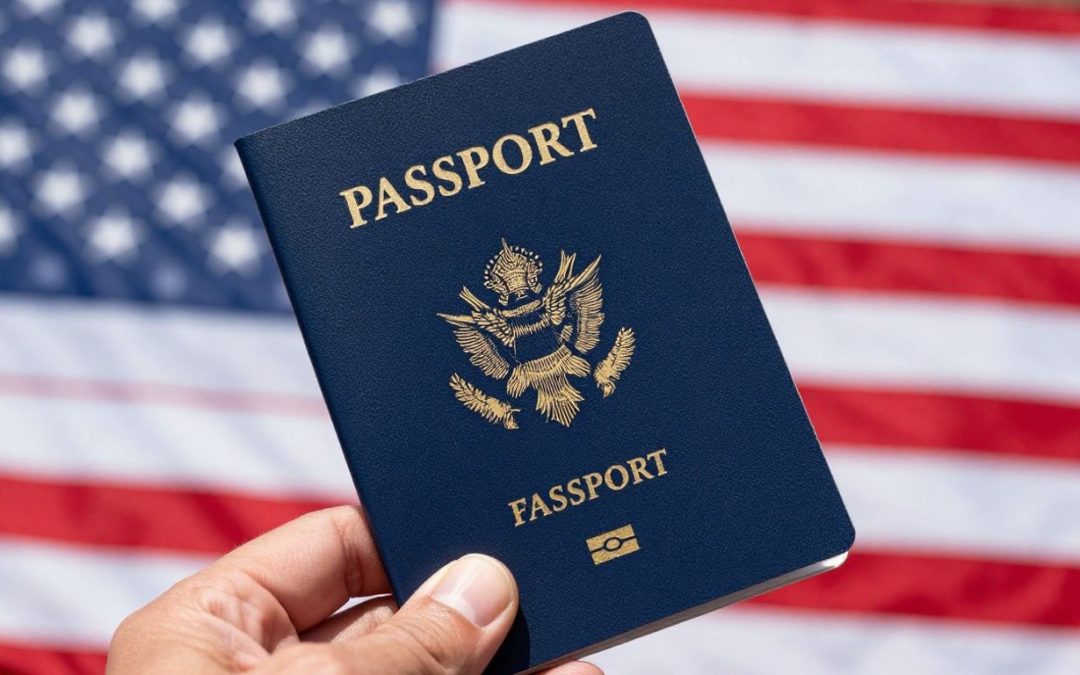
Thinking about becoming a U.S. citizen? It’s a big step, and the process can seem a little daunting at first. We’re putting together a guide for 2026 to break down all the details about applying for citizenship, or what’s often called ‘ciudadania americana requisitos’. We’ll cover who qualifies, what papers you need, and what to expect along the way. Let’s get started on understanding the path to becoming a U.S. citizen.
Key Takeaways
- To apply for U.S. citizenship, you generally need to be a lawful permanent resident for a set number of years, meet age requirements, and show you have a good character.
- There are special paths to citizenship for spouses of U.S. citizens, those serving in the military, and children of U.S. citizens.
- You’ll need to gather specific documents, including your Green Card, and possibly marriage or divorce papers, and be ready to explain any past legal issues.
- Most applicants must pass an English and a civics test, with different versions of the civics test depending on when you apply.
- The application involves filing Form N-400, attending an interview, and finally taking an Oath of Allegiance if approved.
General Eligibility Requirements for Ciudadania Americana Requisitos

So, you’re thinking about becoming a U.S. citizen? That’s a big step, and there are definitely some boxes you need to tick before you can even start the application process. It’s not just about wanting it; you have to meet specific criteria set by the government. Think of it like getting ready for a big trip – you need the right documents, enough time, and to generally be in good standing.
Lawful Permanent Resident Status
This is usually the main path for most people wanting U.S. citizenship. You need to have been a lawful permanent resident, meaning you have a Green Card, for a certain amount of time. For most folks, this means holding that Green Card for at least five years. There are some exceptions, like if you’re married to a U.S. citizen, where the time requirement might be shorter (three years). It’s important to have maintained this status without any major issues.
Age and Residency Duration Requirements
First off, you generally need to be at least 18 years old when you file your application. Beyond that, there are two key residency rules to keep in mind:
- Continuous Residence: You need to show that you’ve lived in the U.S. consistently for at least five years right before you apply. This doesn’t mean you can never leave the country, but long trips away can break this continuity. We’ll get into the specifics of that later.
- Physical Presence: It’s not enough to just be a resident on paper; you actually have to have been physically present in the U.S. for a minimum of 30 months out of those five years. Again, this is something we’ll break down further.
- Local Residency: You also need to have lived in the state or USCIS district where you’re applying for at least three months before filing.
Good Moral Character Standards
This one can feel a bit fuzzy, but it’s really important. USCIS wants to see that you’ve been a person of good moral character for at least the five years leading up to your application. What does that mean in practice? Well, it generally means you haven’t committed certain crimes, you’ve paid your taxes, and you’ve generally followed the laws. It’s about showing you’re a responsible member of society and that you respect the U.S. legal system.
Basically, USCIS looks at your history to make sure you’re someone who respects the laws and values of the United States. It’s not just about the last few years; they can look back further for certain issues.
Meeting these general requirements is the first big hurdle. If you tick these boxes, you’re on your way to the next stages of the naturalization process.
Special Categories for Naturalization Applicants
While most folks apply for citizenship after being a green card holder for five years, there are a few other paths that might work for you. It’s not a one-size-fits-all situation, and USCIS knows that. Depending on your circumstances, you might qualify under different rules, sometimes even with a shorter waiting period.
Spouses of U.S. Citizens
If you’re married to a U.S. citizen, things can move a bit faster. You might be able to apply for citizenship after only three years as a lawful permanent resident, provided you’ve been living with your U.S. citizen spouse during that entire time. This is a pretty common route for people whose partners are already citizens. It’s important to show that your marriage is genuine and that you’ve maintained a continuous residence in the U.S. for those three years. You’ll still need to meet the other general requirements, like good moral character and passing the English and civics tests, but the residency clock is shorter.
Service Members and Veterans
For those who have served in the U.S. military, there are special provisions. This can significantly speed up the naturalization process, and in some cases, the residency and physical presence requirements are waived entirely. If you’re currently serving on active duty or have served honorably in the U.S. armed forces, you should definitely look into these benefits. The specific requirements can depend on when and how long you served, and whether your service was during a period of hostilities. It’s a way for the U.S. to honor those who have served the country.
Children of U.S. Citizens
This category is a bit different. If you were born outside the U.S. and have a U.S. citizen parent, you might already be a citizen. If not, and you’re under 18, you might be eligible to automatically acquire citizenship through your parent. This is called "acquisition of citizenship." If you’re already a lawful permanent resident and your U.S. citizen parent files the application for you, you might be able to get citizenship through a process called "derivation." The rules here can be complex and depend on when your parents became citizens and other factors. It’s worth looking into if this applies to your family situation.
Required Documentation to Submit with Form N-400
Alright, so you’re getting ready to file your N-400, the application for U.S. citizenship. That’s a big step! Now, let’s talk about what you actually need to send in with it. It can seem like a lot, but breaking it down makes it way more manageable. Having all your documents in order beforehand is key to a smoother process.
Permanent Resident Card (Green Card)
This one’s pretty straightforward. You’ll need to include a copy of your Permanent Resident Card, often called a Green Card. Make sure you copy both the front and the back of the card. It’s your proof that you’ve been lawfully admitted as a permanent resident.
Marriage and Divorce Certificates
This part depends on your personal situation. If you’re currently married, you’ll need to provide a copy of your current marriage certificate. If you’ve been married before, you’ll also need to show proof that those previous marriages ended. This could be a divorce decree, an annulment decree, or a death certificate for your former spouse. USCIS needs to see that any prior marriages were legally terminated before you got married to your current spouse, if applicable.
Documentation for Criminal History or Exemptions
This is where things can get a bit more detailed. If you’ve ever had any run-ins with the law, anywhere in the world, you’ll need to provide documentation. This isn’t meant to scare you, but they need a clear picture.
Here’s a general idea of what might be needed:
- Arrests without charges filed: If you were arrested or detained but no charges were ever brought against you, you’ll need an arrest report and an official statement from the police or court saying no charges were filed.
- Convictions or alternative sentences: If you were convicted of a crime, or if you participated in programs like diversion, deferred prosecution, or rehabilitation programs (even for things like drug treatment or community service), you’ll need the sentencing records. You’ll also need proof that you successfully completed whatever program you were in.
- Arrests with charges filed: If charges were filed after an arrest, you’ll need to gather all the related documents. This includes arrest reports, charging documents, court dispositions, sentencing reports, and anything else that shows the outcome. It’s also a good idea to include any extra information you think might help explain the situation.
If any of your documents are not in English, you absolutely must include a full English translation. The translator needs to provide a statement saying the translation is accurate and that they are qualified to do the translation. Don’t skip this step!
Also, if you’re applying for an exemption from the English or civics tests because of a disability, you’ll need to submit Form N-648, Medical Certification for Disability Exceptions. Make sure it’s filled out completely by your doctor.
English Language and Civics Test Requirements
Once you submit your N-400, you’ll need to show that you can read, write, and speak basic English, and that you know some facts about the United States government and history. Most applicants have to pass both the English and civics tests at their interview. But depending on your age or a qualifying medical condition, you might be eligible for an exception or accommodation.
2008 vs. 2025 Civics Test Versions
The civics test asks about U.S. history, government, and symbols. Which version you take depends on when you filed your N-400:
| Filing Date for Form N-400 | Civics Test Version |
|---|---|
| Before October 20, 2025 | 2008 Civics Test (100 questions) |
| On or after October 20, 2025 | 2025 Civics Test (128 questions) |
- The 2008 test asks you up to 10 questions. You need to answer 6 correctly to pass.
- The 2025 test is a bit longer, and the questions have changed. There are new study materials, so check what’s covered before your interview.
English Proficiency Expectations
USCIS wants to see that you can:
- Read a simple sentence in English.
- Write a simple sentence in English.
- Understand and answer questions, spoken in English, related to your application or background.
You won’t need to write an essay or answer complicated grammar problems. The interviewer will usually ask you to read and write a few quick sentences—nothing stressful, but you should still practice just to be sure.
Exemptions and Accommodations for Testing
You could be excused from all or parts of the language and civics tests if you meet specific conditions:
- Age/Residency Exemptions: If you’re 50 or older and have lived in the U.S. as a permanent resident for 20 years, or 55 and lived here for 15, you don’t have to take the English test. You still take the civics test, but can do it in your native language.
- Medical Disability Exception: If you have a disability that prevents you from learning or showing English or civics knowledge, you may submit Form N-648 for an exemption.
- Accommodations: If you need support, like a sign language interpreter or extra time, you can request this with your application. For more information about accommodations for the civics test with medical exceptions, see the English language exceptions guidelines.
Preparing for the test is important, even if you think your English is good. Studying ahead of time can make you feel more relaxed and ready when you walk into your interview.
Continuous Residence and Physical Presence Guidelines
Okay, so you’re looking into becoming a U.S. citizen. One of the big things USCIS wants to see is that you’ve been living here consistently and actually present in the country for a good chunk of time before you apply. It’s not just about having that green card; it’s about putting down roots, so to speak.
Physical Presence in the United States
This is pretty straightforward: it means you were physically inside the U.S. borders. For most people applying based on being a lawful permanent resident for five years, you need to show you’ve been physically present in the U.S. for at least 30 months out of those five years. It sounds like a lot, but it’s a key part of the process. Think of it as proving you’ve made the U.S. your home.
Trips Abroad and Maintaining Residency
Now, what about vacations or work trips? This is where it gets a little tricky. If you take a trip outside the U.S. that lasts for six months or more, it can disrupt your continuous residence. If a trip is a year or longer, it’s generally considered an abandonment of your U.S. residence. Trips between six months and one year are a gray area, and you’ll need to provide solid evidence that you didn’t abandon your U.S. residence. This could include things like:
- Rent or mortgage statements
- Pay stubs showing U.S. employment
- Bank or credit card statements with regular U.S. activity
- Car registration and insurance documents
- Your passport with U.S. entry and exit stamps
- IRS tax transcripts
Basically, you need to show you kept your ties to the U.S. strong even while you were away. It’s all about demonstrating that your primary home remained here.
Special Evidence for Spouses of U.S. Citizens
If you’re applying based on marriage to a U.S. citizen, the rules for continuous residence and physical presence are a bit different, usually requiring only three years instead of five. However, the same principles about trips abroad still apply. If you had any trips lasting more than six months but less than a year during that three-year period, you’ll need to provide that same kind of documentation to prove you maintained your residence in the U.S. It’s important to have all your ducks in a row, especially when it comes to proving your continuous residence in the United States.
It’s really important to keep good records of your travel. Missing even one key document can make things more complicated down the line. Think about keeping a travel log or a folder with all your important receipts and statements related to your U.S. residency.
Application Filing Steps and Legal Assistance
So, you’ve gone through all the requirements and gathered your documents. The next big step is actually submitting your application. It might seem a little daunting, but USCIS has made the process more straightforward over the years. The key is to be organized and follow the instructions carefully.
Creating a USCIS Online Account
One of the most convenient ways to apply is online. You’ll need to set up a USCIS online account. Think of it as your personal portal for all things related to your citizenship application. Once you have an account, you can fill out and submit Form N-400, the application for naturalization, right there. It also lets you pay the filing fee, track your case status, and get updates directly. If you’re requesting a fee waiver or reduced fee, though, you’ll have to file a paper application instead.
Completing and Submitting Form N-400
Form N-400, Application for Naturalization, is the main document you’ll be working with. You can file it either online through your USCIS account or by mail. If you mail it, make sure you’re using the most current version of the form, which you can usually find on the USCIS website. Double-check that all pages are from the same edition. Missing pages or an outdated form can lead to your application being rejected.
Here’s a quick look at filing options:
- Online Filing: Requires a USCIS online account. Allows for easy fee payment, case tracking, and notifications.
- Paper Filing: Necessary if you’re requesting a fee waiver or reduced fee. You’ll need to mail the completed form along with supporting documents.
Remember to sign your form! An unsigned application will be rejected, no matter how complete it is otherwise.
Seeking Legal Support for Your Application
While many people successfully file on their own, there are times when getting help is a good idea. If your case is complex, perhaps due to a criminal record, long absences from the U.S., or if you have questions about eligibility, consulting with an immigration attorney or an accredited representative can be really beneficial. They can help you prepare your Form N-400 correctly and make sure you have all the necessary evidence. They can also represent you throughout the process. If you choose to have a representative, they’ll need to submit Form G-28, Notice of Entry of Appearance as Attorney or Accredited Representative, with your application.
Filing your application is a significant step. Take your time, read everything thoroughly, and don’t hesitate to seek assistance if you feel unsure about any part of the process. Accuracy and completeness are key to a smooth experience.
Understanding the Naturalization Oath and Final Steps
The journey to U.S. citizenship ends with a few big moments, and most people say it’s both nerve-wracking and exciting. Taking the Oath of Allegiance is the final requirement before becoming an American citizen. Here’s what you need to know about the whole process and what comes after.
Taking the Oath of Allegiance
Once your Form N-400 is approved by USCIS, you’ll be scheduled for a naturalization ceremony to recite the Oath of Allegiance. This step makes your status official. The ceremony might be the same day as your interview or scheduled for another date.
- You’ll receive a notice with your ceremony date, time, and place.
- Bring your Green Card (Permanent Resident Card), the oath ceremony notice, and any other documents USCIS asks for.
- At the ceremony, you’ll turn in your Green Card and get a Certificate of Naturalization.
This is the moment when you formally accept all the rights and the responsibilities that come with being a U.S. citizen.
For more details on what happens after approval, including the scheduling of your ceremony, check the USCIS guidance on Oath ceremonies.
Final Verification and Documentation Review
Before the actual oath ceremony, officials will do a last check of your paperwork:
- You’ll review your application with a USCIS official to make sure nothing has changed since your interview.
- If any new issues have come up (like travel abroad or run-ins with law enforcement), you’ll have to share them before taking the oath.
- Make sure all your personal details on your Certificate of Naturalization are correct—things like your name, date of birth, and country of former nationality.
| Required to Bring | Purpose |
|---|---|
| Green Card | To be surrendered on becoming a citizen |
| Oath Ceremony Notice | Proof of summons and entry |
| Other Requested Documents | As specified in your ceremony notice |
What to Expect After Approval
Once you’ve taken the oath, you can:
- Apply for a U.S. passport—this proves your citizenship and allows you to travel internationally.
- Register to vote in federal, state, and local elections.
- Update your Social Security record to reflect your new status.
- Sponsor certain relatives for their own path to citizenship.
Remember, your journey as a citizen starts with the oath, but what happens afterwards is just as important. Use your new status responsibly and take full advantage of your new rights and opportunities!
Wrapping Up Your Journey to Citizenship
So, that’s the rundown on becoming a U.S. citizen in 2026. It’s definitely a process with a lot of steps, and it can seem like a lot at first. But remember, you’ve got resources like USCIS and even organizations like MIRC that can help guide you along the way. Whether you’re looking at the five-year green card rule, being married to a citizen, or serving in the military, there are different paths. Just take it one step at a time, get your paperwork in order, and prepare for that interview and test. It’s a big step, but it’s totally doable.
Frequently Asked Questions
Who can apply to become a U.S. citizen?
Generally, you can apply to become a U.S. citizen if you’ve been a green card holder for at least five years. There are also special rules for people married to U.S. citizens, those serving in the U.S. military, and children of U.S. citizens. You also need to be at least 18 years old and show you have good character.
What is the N-400 form?
The N-400 form is the official application for naturalization, which is the process of becoming a U.S. citizen. You’ll need to fill it out completely and truthfully with information about yourself, your family, and your history in the U.S.
Do I have to take a test to become a citizen?
Yes, most people need to pass two tests: an English test to show you can read, write, and speak English, and a civics test about U.S. history and government. However, some people might be excused from these tests based on their age or certain disabilities.
When do I need to take the 2025 civics test?
If you submit your N-400 application on or after October 20, 2025, you will take the newer 2025 civics test. If you applied before that date, you’ll take the 2008 version.
What does ‘continuous residence’ mean?
‘Continuous residence’ means you’ve lived in the U.S. for a certain amount of time without leaving for long periods. If you travel outside the U.S. for more than six months, it might affect your application, so it’s important to understand these rules.
How long does the citizenship process usually take?
The time it takes can vary a lot depending on where you live and how busy USCIS is. After you submit your N-400, you can check the USCIS website for estimated processing times for your specific case.