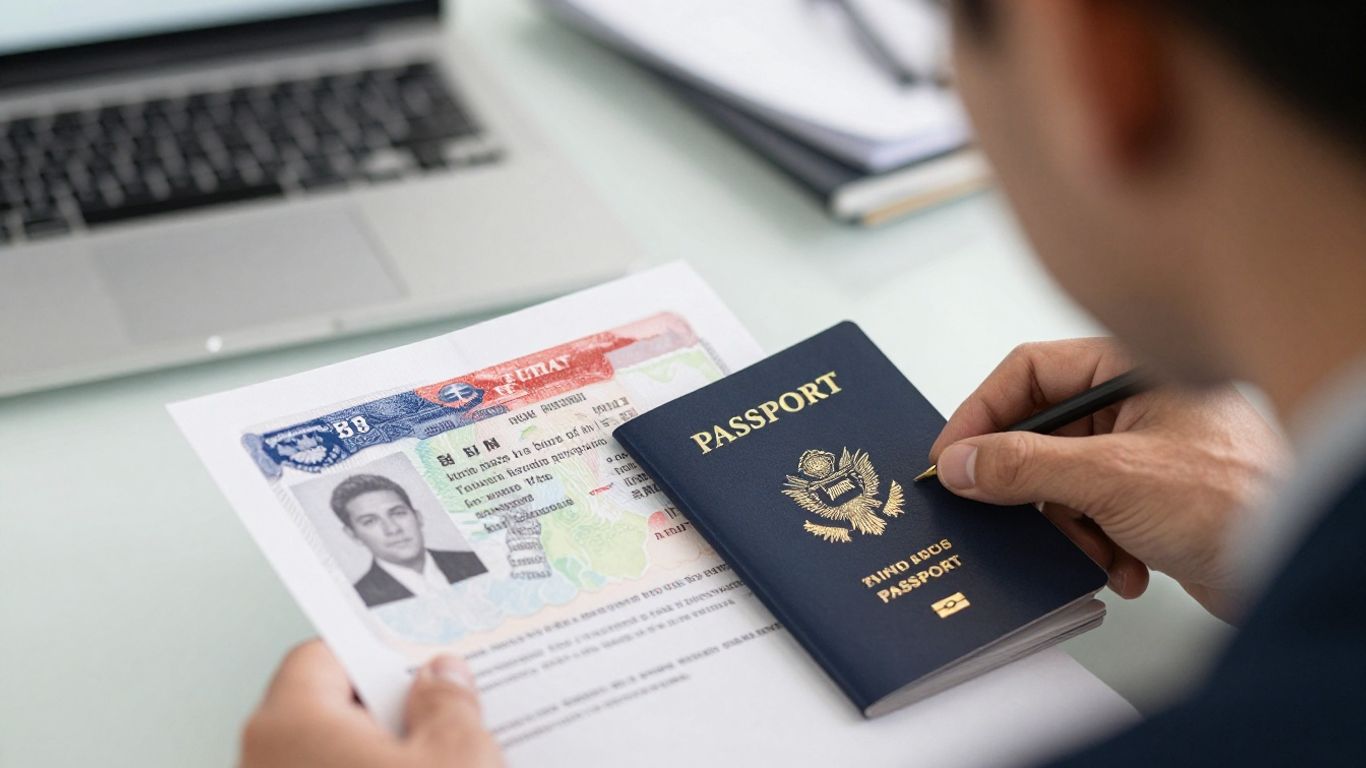
Getting a visa de trabajo Estados Unidos can feel like a big hurdle, right? It’s the first step for many wanting to work and build a life here. The whole process can seem pretty complicated, with lots of different visas and rules to figure out. But don’t worry, we’re going to break it down. This article will give you a clearer picture of the work visa options available and what you generally need to do to apply. Think of it as your roadmap to understanding the US work visa system.
Key Takeaways
There are two main types of US work visas: temporary, for short-term jobs, and permanent, which can lead to a Green Card.
Most temporary work visas require a job offer from a US employer who will sponsor your application.
Permanent work visas often involve a more complex process, including labor certification to prove no qualified US workers are available.
Common temporary visas include the H-1B for specialty occupations and the L-1 for company transfers.
Seeking help from an immigration attorney can simplify the application process and increase your chances of approval.
Understanding United States Work Visas
What Constitutes a Work Visa?
A work visa is basically your ticket to legally work in the United States. It’s a document that allows foreign nationals to come to the U.S. for employment. Think of it as permission granted by the U.S. government for a specific job or type of work. Without the right visa, working in the U.S. isn’t allowed and can lead to some serious trouble.
Temporary Versus Permanent Work Visas
When we talk about work visas, they generally fall into two big buckets: temporary and permanent. Temporary work visas are for jobs that have an end date. Maybe you’re coming for a specific project, seasonal work, or a short-term assignment. These visas have limits on how long you can stay and work. Permanent work visas, on the other hand, are for those looking for a long-term career and a path to living in the U.S. permanently. These are often called employment-based green cards.
Here’s a quick look at the main differences:
Feature
Temporary Work Visa
Permanent Work Visa (Green Card)
Purpose
Short-term employment, specific projects, seasonal work
Long-term career, permanent residency
Duration
Limited, specific period
Indefinite, pathway to citizenship
Sponsorship
Usually required from a U.S. employer
Often requires employer sponsorship and labor cert.
Complexity
Generally less complex than permanent options
More intricate, often longer processing times
The Role of Sponsorship in Obtaining a Visa
For most work visas, especially temporary ones, you can’t just apply on your own. You’ll almost always need a U.S. employer to sponsor you. This means the company has to officially offer you a job and then go through a process with the U.S. government to get permission to hire you. They essentially vouch for you and the need for your skills. This sponsorship is a really big deal because it shows the government that there’s a legitimate job waiting for you and that hiring a foreign worker is necessary.
The U.S. immigration system has many different paths, and each one has its own set of rules and requirements. It’s easy to get confused, so understanding the basics of what each visa type is for is the first step before you even think about filling out forms.
Some common temporary visas include the H-1B for specialized jobs and the L-1 for moving within a company. For permanent options, you might hear about EB-1, EB-2, or EB-3 visas, which are based on your skills, education, or investment. The EB-5 visa is specifically for investors looking to put money into U.S. businesses and create jobs.
Navigating Temporary Work Visa Pathways
So, you’ve got a job offer from a U.S. company and they’re willing to sponsor you for a temporary work visa. That’s a big step! But what exactly does that involve? It’s not just about showing up with your resume; there are specific procedures to follow.
Securing a Job Offer and Employer Petition
First things first, you absolutely need that job offer. This isn’t just any offer, though. The U.S. employer has to formally petition for you with the U.S. government. They’re essentially telling the government, "We need this person for this specific job, and we couldn’t find a qualified U.S. worker to do it." This petition is a pretty big deal and requires the employer to provide a lot of details about the position and why they need to hire someone from abroad. It’s a commitment on their part, so make sure you’re both on the same page.
Gathering Essential Documentation for Application
Once the employer’s petition is underway, it’s your turn to get your paperwork in order. This is where things can get a bit detailed. You’ll need your passport, of course, but also the employment contract, proof of your qualifications (like degrees or certifications), and any other documents specific to the visa category you’re applying for. Think of it like building a case – every document supports your eligibility.
Here’s a general list of what you might need:
Valid Passport (with at least six months of validity beyond your intended stay)
Job Offer Letter and Employment Contract
Proof of Educational Qualifications (diplomas, transcripts)
Professional Licenses or Certifications (if applicable)
Previous U.S. Visas or Immigration Documents (if any)
Birth Certificate
Photos (meeting specific U.S. visa photo requirements)
The Visa Interview and Application Processing
After you’ve submitted your application and all your documents, the next step is usually an interview at the U.S. embassy or consulate in your home country. This is your chance to talk to a consular officer and answer their questions about your job, your intentions, and your background. Be prepared to explain why you want to work in the U.S. and how your skills fit the job. They want to make sure you’re a genuine applicant with a legitimate job offer.
The entire process, from the employer’s petition to your interview, can take time. It’s wise to start well in advance of your desired start date. Patience and thoroughness are key here.
After the interview, you’ll wait for a decision. Processing times can vary a lot depending on the visa type and where you’re applying from. If everything goes well, you’ll get your visa and can start planning your move!
Exploring Permanent Work Visa Options
So, you’re thinking about staying in the U.S. for the long haul? That’s where permanent work visas, often called employment-based green cards, come into play. These aren’t just for a temporary job; they’re a path to living and working in the United States indefinitely. It’s a bit more involved than the temporary routes, but totally doable if you’ve got the right qualifications and a U.S. employer willing to back you.
The PERM Labor Certification Process
Before you can even think about getting a permanent work visa, your potential employer usually has to go through something called PERM labor certification. Basically, they need to prove to the Department of Labor that hiring you won’t negatively affect American workers. This means they have to show they tried to find a qualified U.S. citizen or permanent resident for the job and couldn’t find anyone suitable. It involves a bunch of recruitment steps, like advertising the job opening. It sounds like a lot, and honestly, it can be, but it’s a necessary hurdle.
Job Posting: The employer advertises the position to see if any U.S. workers apply.
Application Submission: If no qualified U.S. workers are found, the employer submits Form ETA 9089 to the Department of Labor.
Certification: The DOL reviews the application. If everything checks out, they issue a labor certification.
This certification is a big deal. It’s the government’s way of saying, ‘Okay, we agree you really need this foreign worker because no one else is available or qualified.’ It’s a key step that shows a genuine need for your skills in the U.S. workforce.
Employment-Based First and Second Preference Visas
Once you have that PERM certification (or sometimes, if your work is so important it’s deemed in the national interest), you might qualify for an EB-1 or EB-2 visa. The EB-1 is for folks with extraordinary abilities, top-notch researchers, or managers/executives transferring within a company. It’s often the quickest way to a green card if you fit the bill. The EB-2 is for those with advanced degrees or exceptional skills. These categories are generally preferred due to potentially faster processing times compared to other employment-based options.
Investor and Other Permanent Work Visa Categories
There are other ways to get a permanent work visa too. The EB-5 visa, for instance, is for investors. If you’re willing to invest a significant amount of money, typically $900,000 or more, into a new U.S. business and create at least 10 jobs for American workers, this could be an option for you. It’s a different kind of pathway, focused on economic contribution rather than specific job skills. There are also categories for other workers, like the EB-3, which is for skilled workers, professionals, and other types of laborers, though it often involves longer wait times. It’s worth looking into all the employment-based visa options to see what might fit your situation best.
Key Work Visa Categories Explained
So, you’re looking into working in the United States, huh? It can seem like a maze with all the different visa types. Let’s break down some of the most common ones you’ll hear about. It’s not just about getting in the door; it’s about finding the right door for your situation.
Specialty Occupations: The H-1B Visa
This is a big one, especially for folks in fields like tech, engineering, or finance. The H-1B visa is for what they call ‘specialty occupations.’ Basically, it means the job needs someone with specific, advanced knowledge, and usually, a bachelor’s degree or higher is required. Your potential employer has to file a petition for you, and there’s a cap on how many of these visas are issued each year, so it can get competitive. It’s a popular choice for many professionals looking to work in the US.
Intra-Company Transfers: The L-1 Visa
Got a job with a big international company? The L-1 visa might be your ticket. This one is for employees who are transferring from an office in another country to a related office here in the States. You’ve got to have worked for the company abroad for at least a year in a managerial, executive, or specialized knowledge role. It’s a good way for companies to move their own people around.
Extraordinary Ability: The O-1 Visa
This visa is for folks who are really, really good at what they do. We’re talking about people with extraordinary abilities in fields like science, arts, education, business, or athletics. It’s not just about being good; you need to show proof of national or international acclaim. Think Nobel Prize winners, Olympic athletes, or famous artists. It’s a tougher one to get, but it’s there for the absolute top talent.
The process for any work visa can be complex, and each category has its own set of rules and requirements. It’s not a one-size-fits-all situation, and what works for one person might not work for another. Taking the time to understand the specifics of each visa type is really important before you start applying.
Here’s a quick look at some other categories you might encounter:
H-2B Visa: For temporary, non-agricultural seasonal workers. Think hospitality or landscaping jobs that have peak seasons.
E-2 Visa: For investors from countries that have a treaty with the U.S. You invest a good chunk of money into a U.S. business and work in it.
TN Visa: This is specifically for Canadian and Mexican citizens working in certain professional fields, thanks to NAFTA.
Essential Steps in the Application Process
Okay, so you’ve figured out which work visa you need and hopefully have a job offer lined up. Now comes the part where you actually have to, you know, apply. It’s not exactly a walk in the park, but if you break it down, it’s manageable. Just be ready to fill out some forms and gather a bunch of papers.
Completing the Application Forms Accurately
This is where you can’t afford to mess up. Seriously. Whether it’s the main visa application or a supporting form like the I-129 for the employer, every box needs to be filled out correctly. Double-check names, dates, addresses – everything. An error here could mean your whole application gets sent back or, worse, denied. It’s like trying to assemble furniture without the instructions; you might get there, but it’s going to be a headache.
Paying Required Visa Fees
Yep, there’s a cost involved. The fees can add up, and they’re usually non-refundable, so make sure you’re ready to pay before you submit. The amounts can change, so always check the official U.S. Citizenship and Immigration Services (USCIS) website for the latest figures. They often have different fees for different visa types and sometimes even for processing.
Fee Type
Approximate Cost (USD)
Petition Filing Fee
$450 – $700
Application Processing Fee
$200 – $300
Other Potential Fees
Varies
Note: These are estimates and can change. Always verify on the USCIS website.
Attending the Visa Interview
If your visa type requires an interview, this is your chance to make a good impression. Be on time, dress professionally, and bring all the documents they asked for, plus a few extra copies just in case. The consular officer wants to confirm the information on your application and make sure you’re genuinely coming to the U.S. for the work you stated. Be honest and straightforward with your answers. They’ve seen it all, so trying to be someone you’re not probably won’t work.
Remember, the goal of the interview is for the officer to verify your identity and the legitimacy of your work visa application. Having all your paperwork in order and being able to clearly explain your situation will go a long way. Don’t be surprised if they ask about your job duties, your employer, and your plans in the U.S.
It’s a lot to keep track of, for sure. But taking it step-by-step and being thorough makes a big difference. If you’re feeling overwhelmed, don’t hesitate to get some help.
After Visa Approval: Next Steps
So, you got the good news – your work visa is approved! That’s a huge relief, right? But hold on, there are still a few things to sort out before you pack your bags. It’s not quite time to celebrate just yet, but you’re definitely on the right track.
Receiving Your Approved Visa
Once your visa is officially approved, you’ll typically receive it in your passport. This is the official document that allows you to travel to the United States for work. Make sure to check it carefully for any errors. It’s also a good idea to keep a copy of your approval notice, like the I-797, handy. This is your proof that everything went through correctly. If you’re outside the U.S., you’ll need to plan for the visa stamping process at a U.S. embassy or consulate. This usually involves scheduling an appointment and attending an interview to get the physical visa placed in your passport. It’s a pretty straightforward step, but it’s important to get it done.
Understanding Visa Conditions and Duration
Your approved visa isn’t a free pass to do whatever you want. Each work visa comes with specific rules and limitations. For instance, an H-1B visa is usually granted for a set period, often three years, with the possibility of extensions. You need to know exactly how long your visa is valid and what you can and cannot do while you’re in the U.S. on that visa. Are you allowed to change employers? Can you bring your family? These are all questions you should have answers to. Violating these conditions can lead to serious problems, including deportation, so pay close attention to the details. It’s wise to review the documentation that came with your approval notice or consult with your sponsoring employer for clarification.
Preparing for Your Move to the United States
With the visa in hand and a clear understanding of its terms, it’s time for the practical stuff. This means figuring out housing, transportation, and setting up bank accounts. If your employer is providing relocation assistance, now’s the time to coordinate with them. You’ll also want to make sure you have all your personal documents in order, like birth certificates and educational records, just in case they’re needed. Don’t forget to notify relevant parties of your upcoming move, such as your current landlord or utility companies. Planning ahead will make your transition much smoother and less stressful. Remember, getting the visa is a major hurdle, but settling into your new life in the U.S. is the next big adventure.
The entire process, from initial application to visa approval, can be lengthy and complex. Staying organized and informed at every stage is key to a successful outcome. Don’t hesitate to seek clarification from your employer or immigration professionals if anything is unclear.
Here’s a quick checklist to help you prepare:
Confirm your visa’s start and end dates.
Arrange for accommodation in the U.S.
Understand your employment contract details.
Gather important personal and financial documents.
Plan your travel arrangements.
Research healthcare options available to you.
Getting your work visa approved is a significant achievement, and it opens up a new chapter. By carefully following these post-approval steps, you can ensure a smooth transition into your new role and life in the United States. For more detailed information on specific visa types and their requirements, you can refer to resources like the USCIS website.
Seeking Professional Guidance for Your Visa de Trabajo Estados Unidos
Look, figuring out the whole US work visa thing can feel like trying to assemble IKEA furniture without the instructions. It’s complicated, and honestly, one wrong move can really mess things up, maybe even get your application tossed out. That’s where getting some help from the pros really makes a difference.
The Value of Immigration Attorneys
Think of an immigration attorney as your guide through this maze. They know the ins and outs of the system, the different visa types, and what paperwork actually needs to be in that giant folder you’re supposed to submit. They can spot potential problems before they become big headaches. It’s not just about filling out forms; it’s about making sure you’re applying for the right visa and that everything is presented in a way that makes sense to the immigration folks.
Ensuring Compliance and Accuracy in Applications
This is a big one. The US government has a lot of rules, and they expect you to follow them to the letter. Attorneys are trained to catch those little details that could cause delays or outright denials. They’ll double-check everything, from your job offer details to your personal history, to make sure it all lines up perfectly. It’s about avoiding costly mistakes that could set you back months, or even years.
Accessing Support and Staying Informed
Beyond just the application itself, lawyers can help you understand what happens after you get your visa. What are the rules you need to follow? How long is it valid? What if your situation changes? They can also keep you in the loop about any changes in immigration law that might affect you. It’s good to have someone in your corner who’s watching out for you and knows what’s going on.
Here’s a quick look at what an attorney can do for you:
Eligibility Check: They’ll figure out if you even qualify for a work visa before you spend time and money on an application.
Paperwork Power: They handle the heavy lifting of preparing and reviewing all the documents, making sure nothing is missed.
Application Filing: They know which boxes to tick and which forms to use, so your application goes to the right place.
Problem Solving: If something goes wrong, like a denial, they can help you figure out what to do next, like filing an appeal.
The immigration process is constantly changing, and keeping up with all the updates can be a full-time job in itself. Relying on outdated information or trying to guess what the government wants is a risky strategy. Professional guidance helps ensure you’re working with the most current requirements and best practices.
Getting professional help might seem like an extra expense, but when you consider the potential cost of a denied application or a long delay, it often pays for itself. It’s about peace of mind and a much smoother journey to working in the United States.
Wrapping Up Your Work Visa Journey
So, getting a work visa for the US is definitely a process, right? It’s not exactly a walk in the park, and there are a lot of details to keep track of. But honestly, with a bit of patience and by making sure you have all your paperwork in order, it’s totally doable. Don’t be afraid to ask for help if you need it – whether that’s from an immigration lawyer or just double-checking official government sites. Staying informed is key. Keep pushing forward, and you’ll be one step closer to those opportunities in the United States.
Frequently Asked Questions
What is a work visa and why do I need one?
A work visa is like a special permission slip that lets you come to the United States to work. If you’re not a U.S. citizen or a permanent resident, you’ll usually need one of these visas to legally hold a job here. It’s the first step to working in the U.S. and can lead to bigger opportunities.
What’s the difference between a temporary and a permanent work visa?
Think of it like this: a temporary work visa is for a specific job for a limited time, kind of like a short-term contract. A permanent work visa, on the other hand, is a pathway to living and working in the U.S. for good, eventually leading to a Green Card and possibly citizenship.
Do I need a U.S. employer to sponsor me for a work visa?
For most work visas, yes, you absolutely do. The U.S. employer who wants to hire you needs to show that they need your specific skills and that they couldn’t find a qualified American worker for the job. They’ll handle a lot of the paperwork to make this happen.
What are some common types of temporary work visas?
Some popular temporary work visas include the H-1B for skilled professionals in fields like tech or engineering, the L-1 for people transferring within a company to a U.S. office, and the O-1 for individuals with extraordinary talents or achievements. There are also visas for seasonal agricultural and non-agricultural workers (H-2A and H-2B).
How long does the work visa application process usually take?
The time it takes can vary a lot, but it’s often a lengthy process. It can take several months, or even over a year, from when your employer starts the process to when you might get your visa. This depends on the type of visa, how busy the government offices are, and if all your paperwork is correct.
What happens after my work visa is approved?
Once your visa is approved, you’ll receive it and can then travel to the United States. It’s super important to understand the rules and how long your visa is valid. You’ll need to follow these conditions carefully to keep your legal status while you’re working here.
Thinking about making the United States your permanent home? Getting a Green Card, or Permanent Resident Card, is the way to do it. It lets you live and work here for good. But honestly, figuring out how to get one can feel like a puzzle. There are different ways to apply, and each has its own set of rules. This guide is here to break down the process of how to obtain permanent residency USA in 2026, making it a bit less confusing. We’ll cover what you need to know to start your journey.
Key Takeaways
A Green Card allows you to live and work permanently in the U.S. and is the first step towards potential citizenship.
Eligibility for a Green Card is typically based on family ties, employment, humanitarian reasons, or other special programs.
The application process involves either adjusting your status within the U.S. or going through consular processing abroad.
Holding a Green Card comes with specific rights, such as the ability to work freely, and responsibilities, like maintaining your residency and reporting address changes.
Understanding processing times is important, as they can vary greatly depending on your application category and current USCIS workloads.
Understanding The Green Card For Permanent Residency
So, you’re thinking about making the US your permanent home, huh? That’s a big step, and the key to that is the Green Card. Officially, it’s called the Permanent Resident Card, and it’s basically your ticket to living and working in the United States indefinitely. It got its name way back when because the card was actually green, though it’s changed colors since then. Today, it’s a card with your photo, fingerprints, and all your important identification details.
What Is A Green Card?
A Green Card is more than just a piece of plastic; it’s official proof that you have the legal right to live and work permanently anywhere in the United States. Think of it as your official status as a Legal Permanent Resident (LPR). It’s the goal for many people who come to the US, offering a sense of stability and a pathway to a new life.
How Does A Green Card Function?
Functionally, a Green Card allows you to stay in the US forever, as long as you follow the rules. It means you’re not tied to a specific employer or a temporary visa. You can change jobs, move across the country, and generally live your life much like a US citizen, with a few key differences. It’s the foundation for building a life here.
Benefits Of Holding A Green Card
Why do people want one so badly? Well, the benefits are pretty significant. For starters, you get a lot more freedom in the job market. You can switch jobs without needing a new sponsor, which opens up way more career opportunities. Plus, you can live anywhere in the US. It also puts you on the path to eventually becoming a US citizen through naturalization, usually after five years of holding the card (or three years if you’re married to a US citizen). Beyond work and citizenship, Green Card holders can often qualify for social benefits, like certain health programs, and can even petition for close family members to immigrate too. It really opens up a lot of doors.
The Green Card signifies a major life change, offering security and opportunity. It’s the first step for many towards integrating fully into American society and pursuing their long-term goals.
Here’s a quick look at some of the main perks:
Employment Flexibility: Work for almost any employer, start your own business, or change careers without needing new visa sponsorship.
Freedom of Movement: Live in any state or territory within the United States.
Path to Citizenship: Become eligible to apply for US citizenship after a set period.
Family Reunification: Sponsor certain close family members (spouse, unmarried children) to get their own Green Cards.
Access to Benefits: Potentially qualify for social security, Medicare, and other government-backed programs after meeting certain requirements.
Eligibility Requirements For Permanent Residency
Determining Your Eligibility To Apply
So, you’re thinking about getting a Green Card. That’s a big step! Before you even start filling out forms, the most important thing is figuring out if you actually qualify. The U.S. immigration system has a bunch of different ways people can become permanent residents, and each one has its own set of rules. It’s not a one-size-fits-all situation, you know?
Basically, you need to fall into one of the categories that the government has set up. These usually fall into a few main buckets: family ties, employment, humanitarian reasons, or special programs. For example, if you have a close family member who is a U.S. citizen or a Green Card holder, that might be your path. Or, if you have a job offer from a U.S. employer who is willing to sponsor you, that’s another route. There are also options for refugees, asylum seekers, and people with unique circumstances.
It’s really important to look at the specific requirements for each category. What works for one person might not work for another. You’ll want to check out the official USCIS website or talk to an immigration lawyer to get a clear picture of where you fit in. The key is to find the right category that matches your situation.
Sponsorship For A Permanent Resident Card
For most people wanting a Green Card, someone else needs to start the process for them. This person or entity is usually called the sponsor or petitioner. Think of them as the one vouching for you to the U.S. government. In many cases, this is a family member, like a spouse, parent, or adult child who is already a U.S. citizen or a permanent resident. For employment-based Green Cards, it’s typically the U.S. employer who wants to hire you permanently.
However, there are situations where you can petition for yourself, which is called ‘self-petitioning.’ This often applies in cases of abuse or extreme hardship, like certain VAWA (Violence Against Women Act) cases or for investors starting businesses in the U.S.
Here are some common scenarios and who usually files the initial petition:
Family-Based: A U.S. citizen or Green Card holder files Form I-130, Petition for Alien Relative.
Employment-Based: A U.S. employer files Form I-140, Immigrant Petition for Alien Worker.
Special Immigrants: This can include various groups, like religious workers or certain broadcasters, who might use different forms like Form I-360, Petition for Amerasian, Widow(er), or Special Immigrant.
Victims of Crime/Trafficking: Individuals who have suffered certain crimes or trafficking might be eligible to self-petition using forms like I-918, Petition for U Nonimmigrant Status.
It’s not just about having a sponsor; the sponsor also has to meet certain financial requirements to show they can support you and that you won’t become a public charge. This usually involves submitting an Affidavit of Support.
Commonly Used Immigrant Petitions
When you’re applying for a Green Card, the first major hurdle is often getting an immigrant petition approved. This is the document that establishes your eligibility based on your relationship to a U.S. citizen/resident or your employment situation. The specific form you’ll use depends entirely on why you’re applying.
Here are some of the most frequent petitions you’ll encounter:
Form I-130, Petition for Alien Relative: This is the go-to form if you’re applying based on a family relationship. A U.S. citizen or Green Card holder files this to petition for a spouse, child, parent, or sibling.
Form I-140, Immigrant Petition for Alien Worker: This is used for employment-based immigration. A U.S. employer files this on behalf of a foreign worker they wish to hire permanently. There are different subcategories within this petition based on the worker’s skills and qualifications.
Form I-360, Petition for Amerasian, Widow(er), or Special Immigrant: This is a bit of a catch-all for specific groups, including certain veterans, religious workers, and individuals applying under the Violence Against Women Act (VAWA).
Form I-526, Immigrant Petition by Alien Entrepreneur: This is for the EB-5 Immigrant Investor Program. Foreign investors file this to show they are making a significant investment in a U.S. business that will create jobs.
There are other petitions too, like those for refugees and asylum seekers (Form I-730) or victims of certain crimes (Form I-918), but the ones listed above cover a huge chunk of Green Card applications. Getting this petition right is super important because it’s the foundation for your entire Green Card application.
Navigating The Application Process
So, you’ve figured out you’re eligible for a green card and someone’s willing to sponsor you, or maybe you can sponsor yourself. That’s awesome! But now comes the part where you actually have to, you know, apply. It can seem like a lot, but it basically boils down to two main paths: either you adjust your status while you’re already here in the U.S., or you go through what’s called consular processing if you’re outside the country.
Adjustment of Status Within the U.S.
This is for folks who are already in the United States legally and want to change their immigration status to permanent resident without having to leave. Think of it as switching gears while staying on the same road. You’ll likely be filing Form I-485, Application to Register Permanent Residence or Adjust Status. It’s a big form, and you’ll need to include a bunch of supporting documents. This path usually involves a biometrics appointment for fingerprints and photos, and often, an interview with a USCIS officer.
Consular Processing Outside the U.S.
If you’re living abroad, or if you’re in the U.S. but not eligible to adjust your status here, you’ll go through consular processing. This means you’ll work with the National Visa Center (NVC) and then attend an interview at a U.S. embassy or consulate in your home country. They’ll review your case, and if everything checks out, they’ll issue you an immigrant visa. Once you get that visa, you can travel to the U.S. as a lawful permanent resident.
General Application Steps
No matter which path you take, there’s a general flow to things. It’s not always super straightforward, and sometimes there are waiting periods, especially if you have to wait for a visa number to become available based on your category. Here’s a simplified look at the common stages:
Petition Filing: Usually, a sponsor (like a family member or employer) files an immigrant petition (like Form I-130 or I-140) with USCIS. Sometimes, you can file this yourself.
Visa Availability Check: For many categories, you have to wait until your priority date is current. The State Department publishes a Visa Bulletin each month showing when this happens. Immediate relatives of U.S. citizens usually don’t have to wait for this.
Application Submission: Once a visa is available (or if you don’t need to wait), you’ll file your main green card application (Form I-485 if in the U.S., or start the consular process abroad).
Supporting Appointments: This typically includes a biometrics appointment for your fingerprints and photos, and potentially an interview.
Decision and Arrival: After your interview and review, USCIS or the consulate will make a decision. If approved, you’ll either get your green card mailed to you (if adjusting status) or be able to travel to the U.S. with your immigrant visa.
It’s really important to pay close attention to all the details in your application. Missing information or making mistakes can cause delays or even lead to your application being denied. Double-checking everything and making sure you have all the required documents before you submit is a really good idea.
Keep in mind that these are general steps. Your specific situation might have a few extra twists and turns. It’s always best to check the official USCIS website or consult with an immigration professional if you’re unsure about any part of the process.
Key Steps In The Application Journey
Once you’re set on applying for a Green Card, there are a few specific parts of the process that everyone needs to get through. Each of these stages plays a big role in finding out if you’ll be approved or not, so it helps to know what’s coming. Here’s a breakdown of the main checkpoints:
Biometrics Appointment
After you’ve submitted your application, USCIS will ask you to come in for biometrics. Basically, they want your fingerprints, photo, and signature to check your background.
You’ll get a notice in the mail with the date, time, and location.
Show up with your appointment letter and a valid photo ID (passport or driver’s license).
The appointment doesn’t take too long—usually under an hour—but it’s important not to miss it.
If you can’t make your scheduled time, you must reschedule in advance, or your application could be delayed or even denied.
The USCIS Interview
This part feels a lot like a job interview, but with paperwork. A USCIS officer will ask questions about your application, your life, and maybe your relationship if you’re applying through a family member.
Bring all the requested documents. It can help to have originals and copies.
Expect questions about your history, any criminal records, and your eligibility.
For marriage-based applications, be ready for personal questions to make sure your marriage is real.
Sometimes, the officer will let you know their decision at the end, but often, they’ll just say you’ll hear back soon.
Receiving Your Decision
USCIS will review everything and send you a decision by mail. This could take several weeks after your interview.
Here’s what might happen:
Result
What It Means
Approved
You’ll get your Green Card in the mail, usually in a few weeks.
Request for Evidence
They need more information or documents from you.
Denied
Your application wasn’t successful; they’ll explain why.
If you’re approved, you’re almost at the finish line! At this point, you can begin thinking about maintaining permanent resident status, like keeping track of your time in the U.S. (for example, physical presence rules for naturalization).
Keep your address updated with USCIS.
Don’t forget: You’ll need to renew your Green Card every 10 years.
If your application is denied, look closely at the reasons provided and consider next steps, like reapplying or speaking to an immigration attorney.
The process might seem uncertain, but most folks get through it with patience and good preparation. Each stage is a step closer to living permanently in the U.S.
Rights And Responsibilities Of Green Card Holders
So, you’ve got your Green Card – that’s awesome! It means you’re officially a Lawful Permanent Resident (LPR) of the United States. This opens up a lot of doors, but it also comes with some important things you need to know. Think of it like getting a driver’s license; you can go places, but you have to follow the rules of the road.
Rights Under U.S. Law
First off, you have rights. You are protected by U.S. laws, just like citizens. This means you have the right to live and work anywhere in the U.S. permanently. You can change jobs without needing a new sponsor, which is a huge deal compared to some other visa types. You can also apply for certain government-backed loans, like mortgages, and if you’ve worked and paid taxes, you can eventually get Social Security benefits when you retire. Plus, you can petition for certain close family members to get their own Green Cards, though they might have to wait longer than if you were a U.S. citizen.
Freedom to Live and Work: You can reside and be employed anywhere in the United States.
Job Mobility: You can change employers without requiring a new sponsorship.
Access to Benefits: You may qualify for social benefits, including healthcare programs and Social Security retirement benefits.
Family Sponsorship: You can petition for specific family members to immigrate.
Path to Citizenship: After meeting residency requirements, you can apply for U.S. citizenship through naturalization.
Responsibilities To Maintain Status
Now, about those responsibilities. Keeping your Green Card status means playing by the rules. The biggest one is letting the government know if you move. You have to tell U.S. Citizenship and Immigration Services (USCIS) within 10 days of changing your address. Seriously, don’t skip this. You also have to file U.S. taxes every year and report all your income, no matter where you earned it. It’s also really important to avoid long trips outside the U.S. because staying away too long can make it look like you’ve given up your permanent residency.
Staying too long outside the U.S. can be a problem. While there’s no exact number of days that automatically means you’ve abandoned your residency, trips longer than six months can raise questions. If you need to be away for a year or more, you should look into getting a re-entry permit before you leave.
Travel Limitations For Green Card Holders
Speaking of travel, while you can leave the U.S., there are limits. Unlike U.S. citizens who can travel freely for extended periods, your trips abroad as a Green Card holder need to be managed. Generally, it’s best to keep any single trip outside the U.S. to less than a year. If you plan to be away for a year or more, you’ll need to apply for a re-entry permit before you depart. This permit basically tells USCIS that you intend to keep your U.S. residency. Failing to do this, or taking trips that are too long without proper authorization, could lead to issues when you try to come back into the country, and in some cases, could even jeopardize your Green Card status.
Maintaining Your Permanent Resident Status
So, you’ve got your Green Card – that’s fantastic news! It means you’re officially a lawful permanent resident of the United States. But here’s the thing: while your status is permanent, the physical card itself has an expiration date. Think of it like your driver’s license; you still have the right to drive, but you need the updated card to prove it. Keeping your Green Card current is key to avoiding a whole lot of headaches down the road.
Renewing Your Green Card
Your Green Card is typically valid for 10 years. You can start the renewal process, which involves filing Form I-90, Application to Replace Permanent Resident Card, about six months before it expires. If your card has already expired, or if it’s lost, stolen, or damaged, you should file the I-90 as soon as possible. Once you file, USCIS will send you a receipt notice (Form I-797) that acts as an automatic extension for your Green Card’s validity for up to 36 months while your new card is being processed. This is super important for proving your status for work or travel.
File Form I-90: This is the main application to get a new card.
Pay the Fee: There’s a filing fee, so check the USCIS website for the current amount.
Attend Biometrics: You’ll likely need to go to an appointment to have your fingerprints and photo taken.
Wait for Your New Card: Processing times can vary, but the receipt notice helps a lot during this period.
It’s worth noting that if you have a conditional Green Card (usually valid for two years), you don’t use Form I-90. You’ll need to file Form I-751, Petition to Remove Conditions on Residence, instead.
Reporting Address Changes
This is a big one, and it’s a legal requirement. If you move, you absolutely must let U.S. Citizenship and Immigration Services (USCIS) know your new address within 10 days of moving. You can do this online through the USCIS website. Failing to report a change of address can lead to serious problems, including the denial of your Green Card application or even the termination of your permanent resident status. It sounds simple, but it’s a responsibility you can’t overlook.
Failing to update your address with USCIS is a serious matter. It can result in missed notices from the agency, potentially leading to missed deadlines or hearings, which could jeopardize your immigration status. Always keep your information current.
Avoiding Extended Absences Abroad
While having a Green Card allows you to travel outside the U.S., staying away for too long can make USCIS think you’ve abandoned your permanent resident status. Generally, if you plan to be outside the U.S. for more than a year, you should apply for a Reentry Permit before you leave. If you’re gone for less than a year, it’s usually okay, but frequent or lengthy trips can still raise questions. If you end up staying abroad for over two years, you might need to get a returning resident visa from a U.S. embassy or consulate before you can come back. It’s best to keep trips abroad relatively short to avoid any issues with maintaining your status.
Understanding Processing Times For Your Application
So, you’re wondering how long this whole green card thing is going to take? It’s a big question, and honestly, there’s no single, simple answer. Think of it like planning a road trip – the time it takes depends on where you’re starting, where you’re going, and what kind of car you’re driving. For green cards, it’s similar, with different paths and categories leading to vastly different timelines.
Factors Influencing Green Card Timelines
Several things can really affect how long you’ll be waiting. Your specific immigration category is a huge one. Are you applying as an immediate relative of a U.S. citizen? That’s usually faster than, say, applying through certain employment-based categories or other family preference categories. Your country of origin can also play a role, as some countries have longer backlogs than others. And then there’s the actual agency processing your case – USCIS (U.S. Citizenship and Immigration Services) and sometimes the Department of State.
Estimating Your Application Duration
It’s tough to give exact numbers because things change, but we can look at some general estimates. For immediate relatives of U.S. citizens, the wait might be somewhere in the ballpark of 8 to 15 months. That’s for the whole process, from start to finish, assuming everything goes smoothly.
For employment-based green cards, it’s often a longer haul. You might have to go through a PERM labor certification process, which can take over 16 months on its own. Then there’s the I-140 petition, followed by waiting for a visa number to become available. All in, these cases can easily stretch to 2 to 5 years, and sometimes even longer, especially for individuals from certain countries or in specific employment categories.
Family preference categories, other than immediate relatives, can have very long waits. We’re talking years, sometimes even a decade or more, depending on the specific relationship and country. It’s really important to check the Visa Bulletin regularly to see where the dates are for your category.
The total time for your green card application isn’t just about USCIS processing your forms. You also have to consider the "visa availability" wait time, which is like waiting for your turn in a very long line. Some people get to skip this line, like immediate relatives, but many others have to wait.
Here’s a rough idea of what to expect:
Immediate Relatives of U.S. Citizens: Generally 8-15 months.
Employment-Based (EB-2, EB-3): Often 2-5 years, but can be longer.
Family Preference Categories: Can range from several years to over a decade.
Remember, these are just estimates. The best way to get the most current information is to check the official USCIS website. They have tools that show processing times for different forms and service centers. It’s always a good idea to start your application as early as possible to account for these potential delays.
Wrapping Things Up
So, getting that green card, which is basically your ticket to living and working in the U.S. for good, is a big deal. We’ve gone over a lot of the details, from what it actually means to have one, to the different ways you might be able to get it. It’s not always a quick or simple process, and honestly, it can feel like a lot to take in. But remember, having that permanent resident status opens up a lot of doors, not just for your career but for building a life here. Plus, it’s often the first step if you’re thinking about becoming a U.S. citizen down the line. Keep all this info handy, and don’t be afraid to look for help if things get confusing. You’ve got this.
Frequently Asked Questions
What exactly is a Green Card?
A Green Card, officially known as a Permanent Resident Card, is like a special ID that lets you live and work in the United States for good. It means you’re a lawful permanent resident, not just visiting or staying for a short time.
How do I know if I can even apply for a Green Card?
Figuring out if you qualify is the first big step. There are many ways to become eligible, like having a family member who’s a U.S. citizen or permanent resident, being offered a job by a U.S. company, or seeking safety in the U.S. You’ll need to check the specific rules for each way.
What’s the difference between applying from inside the U.S. versus from another country?
If you’re already in the U.S. legally, you might be able to ‘adjust your status’ without leaving. If you’re outside the U.S., you’ll likely go through ‘consular processing’ at a U.S. embassy or consulate in your home country.
What happens after I submit my application?
After you apply, you’ll usually have to go to a place called USCIS for a ‘biometrics’ appointment, where they take your fingerprints and photo. Later on, you’ll attend an interview with a USCIS officer to talk about your application.
What are the main things I need to do once I have a Green Card?
Having a Green Card is awesome, but it comes with rules. You have to keep living in the U.S., tell USCIS if you move, and renew your card every 10 years. It’s also important not to stay outside the U.S. for too long, as that could affect your status.
How long does it usually take to get a Green Card?
That’s a tricky question because it really depends! Things like how you’re applying, where you’re from, and how busy USCIS is can all change how long it takes. Some people get theirs in months, while for others, it can take a year or even longer.
Facing deportation in California can be incredibly stressful. It feels like everything you’ve built could be taken away. Finding the right legal help, an “abogado deportacion California,” is super important. You need someone who knows the system and can fight for your right to stay. This guide points you to some places that can help.
Key Takeaways
If you’re facing deportation, you have the right to an attorney, but you usually have to pay for them yourself.
Not all lawyers are experienced in deportation cases, so look for someone with a proven track record in immigration court.
Be aware of scams; always check if a lawyer is licensed with the State Bar of California.
Several organizations offer free or low-cost legal services for immigrants in California.
Resources like LawHelpCA.org and the American Immigration Lawyers Association can help you find qualified legal assistance.
1. Los Angeles Deportation Removal Defense Lawyers
Facing deportation is a really scary situation. It feels like everything you’ve worked for here in the U.S. – your home, your job, your family – could be taken away in an instant. When the government starts removal proceedings, it’s not a game. You might even be held without bond, which is a tough spot to be in.
It’s important to know that you have the right to an attorney, but unlike in criminal cases, the court doesn’t provide one for free. You’ll need to find and pay for your own lawyer. Missing a hearing, even if you don’t show up, can lead to a deportation order. And just because you’re undocumented doesn’t automatically mean you have to leave; there are different ways to fight deportation.
Not all immigration lawyers are equipped to handle deportation cases effectively. You need someone who really knows the ins and outs of immigration court and has a track record of success. These cases are complex, with lots of procedures where every detail counts. Finding a lawyer who understands the judges’ expectations and has experience in these specific proceedings is key.
Here are some common forms of relief that experienced lawyers can help you explore:
Deferred Action: For those with deportation orders who want to request a stay.
Prosecutorial Discretion: Convincing the government to close your case based on certain grounds.
Stay of Deportation: Proving hardship or qualifying for stays, especially when filing appeals.
Immigration Appeals: Taking your case to the Board of Immigration Appeals (BIA) or the 9th Circuit Court of Appeals.
Motions to Reopen: Asking to reopen your case to apply for relief, like becoming a permanent resident.
When you’re in this kind of situation, it’s easy to feel overwhelmed. The legal system can seem complicated, and the stakes are incredibly high. Having a knowledgeable advocate by your side can make a significant difference in the outcome of your case and your ability to stay in the country.
If you’re in Los Angeles and need help fighting a deportation case, looking for Los Angeles deportation defense attorneys who specialize in removal defense is your first step. They can look at your immigration history, talk honestly about your chances, and figure out the best strategy to keep you here. Many offer free initial consultations, and some even have payment plans to make legal help more accessible.
2. Immigrant Defenders Law Center
When you’re facing deportation, things can feel pretty overwhelming. That’s where organizations like the Immigrant Defenders Law Center, often called ImmDef, come in. They’re a non-profit law firm focused on helping immigrants who are dealing with the immigration system. They provide free legal help to people who might not otherwise be able to afford it.
ImmDef really tries to make sure everyone gets a fair shot. They have a model where they offer free, good-quality legal services to communities that don’t always get the help they need, especially in Southern California. They handle a lot of different cases, from helping kids who are on their own and in government custody to representing families trying to get legal permanent resident status. They also do work to try and change laws that aren’t fair to immigrants.
Here’s a look at some of what they do:
Free Legal Representation: They aim to give everyone a lawyer, no matter their income.
Children’s Rights: They focus on kids going through immigration court, making sure they have legal help and social services.
Impact Litigation & Advocacy: They work on bigger cases to try and fix problems in the immigration system for everyone.
Legal Education: They offer workshops and information so people know their rights.
It’s good to know there are places like Immigrant Defenders Law Center out there fighting for immigrants’ rights. They help a lot of people and speak many languages, which is super important when you’re dealing with something as complex as immigration law.
Dealing with immigration issues can be really tough, and having good legal advice makes a huge difference. Organizations like ImmDef are there to support immigrants through these difficult times.
3. California Rural Legal Assistance
California Rural Legal Assistance, often called CRLA, is a big help for folks living in more spread-out areas of the state who need legal advice, especially when it comes to immigration matters. They really focus on making sure that low-income residents, including immigrants, have access to legal services they might not otherwise be able to get. It’s not always easy to find legal help when you’re not in a major city, and CRLA steps in to fill that gap.
They handle a variety of cases, and deportation defense is definitely one of them. If you’re facing removal proceedings and live in a rural part of California, CRLA could be a good place to start looking for support. They understand the unique challenges people in these areas face.
Here’s a bit more about what they do:
Provide legal representation for immigration cases.
Offer advice and assistance with various legal issues affecting low-income families.
Work to address systemic problems that impact immigrant communities in rural areas.
It’s important to remember that while they aim to help as many people as possible, resources can be stretched thin. Reaching out early is always the best strategy if you think you might need their help. They are a key part of the network of organizations providing legal aid across the state, and you can find more information about groups like them on LawHelpCA.org.
Dealing with immigration law can be really confusing, and the rules seem to change all the time. Having someone knowledgeable on your side makes a huge difference, especially when so much is at stake. CRLA tries to make that support available to people who might otherwise be left out.
4. Coalition for Humane Immigrant Rights
The Coalition for Humane Immigrant Rights, often known as CHIRLA, is a group that works to protect and advocate for immigrants in California. They focus on making sure immigrant families can stay together and have a fair shot at a good life here. It’s a big job, and they tackle it from a few different angles.
CHIRLA does a lot of work to help people understand their rights, especially when it comes to immigration laws and potential deportation. They believe that knowing your rights is the first step in defending yourself. They provide information in several languages, which is super helpful because not everyone is comfortable getting legal info in English.
Here’s a bit about what they do:
Community Organizing: They bring people together to talk about issues and push for changes that help immigrants.
Policy Advocacy: CHIRLA tries to influence laws and policies at local and state levels to be more fair to immigrants.
Direct Services: While they aren’t a law firm, they connect people with legal resources and help them understand their options.
Education: They put out materials and hold events to educate immigrants and the public about immigration issues.
They’ve been involved in significant efforts to secure protections and advance policies that benefit immigrant communities. It’s all about building power and making sure everyone’s voice is heard. If you’re looking for support or want to get involved in advocating for immigrant rights, checking out what CHIRLA is up to could be a good move. They are a key player in advancing policies for immigrants in the state.
5. Los Angeles County Office of Immigrant Affairs
The Los Angeles County Office of Immigrant Affairs (OIA) is a trusted place for immigrants looking for guidance on legal rights, protection from fraud, and how to get help with deportation issues in California. OIA focuses on protecting immigrants from scams and legal fraud, making sure people know where to turn for real help instead of falling for notario or fake lawyer schemes.
Here are some practical ways the Office of Immigrant Affairs helps those dealing with immigration challenges:
Gives clear, easy-to-understand information in many languages about how to spot legal scams and who to report them to
Offers details on consumer rights and the right process if you’re a victim of legal fraud
Connects immigrants with qualified legal providers—real attorneys and law centers, not unlicensed consultants
If you’re unsure whether your legal provider is certified, the OIA can walk you through how to check attorney licenses and avoid common tricks. They team up with other groups featured in this legal support resource corner, so you can get access not only to government help but also community organizations throughout California.
If you or your family ever feel pressured by someone claiming they can fix your immigration status for a fee, don’t rush—verify their credentials first. Scams are everywhere, especially during stressful times. The safest thing is to report any suspicious activity right away.
Reach out to the Los Angeles County OIA for any questions about your rights, concerns about fraud, or if you need a starting point for trusted legal help. They’re an important part of California’s wider safety net for immigrants facing possible deportation.
6. California Collaborative for Immigrant Justice
The California Collaborative for Immigrant Justice (CCIJ) is a network of organizations working together to support immigrants across the state. They focus on making sure immigrants know their rights and have access to help when they need it, especially during difficult times like raids or detentions.
CCIJ is really about community power and making sure everyone is treated fairly. They work on different issues that affect immigrants, like making sure people aren’t taken advantage of by fake lawyers or consultants. It’s a big effort to connect people with real legal help and resources.
If you’re in a situation where you need immediate help, especially if you hear about immigration enforcement activity in your area, CCIJ can point you to local rapid response hotlines. Knowing these resources can make a big difference when time is critical. They help coordinate efforts so that communities can respond quickly and protect each other.
Here are some ways CCIJ and its partners help:
Connecting people with legal services and know-your-rights information.
Working to stop fraud and scams targeting immigrants.
Advocating for policies that are fair to immigrants.
Providing support during immigration enforcement actions.
It’s easy to feel lost or scared when dealing with immigration issues. Having a group like the California Collaborative for Immigrant Justice working behind the scenes to connect people with the right help and information is a big deal. They help make sure that even when things are tough, people aren’t alone and have a way to find the support they need.
They are part of a larger effort to make sure immigrants in California have a voice and are treated with dignity. You can find out more about their work and how they help communities stay safe by checking out resources like the California Rapid Response Network.
7. State Bar of California
When you’re looking for legal help, especially for something as serious as deportation, you want to make sure the person you hire is legit. That’s where the State Bar of California comes in. Think of them as the official gatekeepers for lawyers in the state. They’re the ones who license attorneys, so they know who’s qualified to practice law here.
Their main job is to protect the public, and that includes making sure lawyers are doing their jobs right. If you’re worried about an attorney’s conduct or have a problem with fees, the State Bar is the place to go. They also keep an eye out for people who aren’t lawyers but are trying to give legal advice anyway – that’s called the unauthorized practice of law, and it’s a big no-no.
Here’s what you can do with the State Bar:
Check if a lawyer is licensed: You can use their online tools to look up an attorney’s credentials and make sure they’re in good standing.
File a complaint: If you believe a lawyer has acted unethically or improperly, you can file a complaint with the State Bar for investigation.
Report fraud: If you suspect someone is practicing law without a license or defrauding immigrants, you can report that too.
It’s really important to do your homework before hiring anyone. Scammers sometimes pretend to be lawyers, or they might be immigration consultants who aren’t allowed to give legal advice. Always verify credentials directly with the State Bar. Make sure the contact information you have for an attorney matches what’s on the State Bar’s website, and only use that official contact information.
They also have resources to help you avoid scams, like information on notario fraud. So, before you hand over any money or personal information, take a few minutes to check with the State Bar. It could save you a lot of trouble down the road.
8. LawHelpCA.org
Finding reliable legal help can feel like searching for a needle in a haystack, especially when you’re dealing with something as serious as deportation. That’s where LawHelpCA.org comes in. It’s a website designed to connect Californians with free or low-cost legal assistance for a whole bunch of issues, including immigration problems.
Think of it as a directory for justice.
LawHelpCA.org isn’t a law firm itself, but it’s a super useful tool that lists organizations and lawyers across the state who can help. They have information on a wide range of legal matters, and they make it easier to find someone who can actually help you with your specific situation. It’s a good place to start if you’re not sure where else to turn.
Here’s what you can generally find there:
Lists of legal aid providers who offer free services.
Information on how to find lawyers who might charge less or offer payment plans.
Details about different types of legal issues, so you can better understand what you’re up against.
Resources for specific groups, like immigrants facing deportation.
It’s really important to be careful when looking for legal help. There are people out there who aren’t real lawyers but pretend to be, and they can cause a lot of trouble. LawHelpCA.org can help you find legitimate sources so you don’t get scammed.
They also have resources that can help you figure out if you qualify for certain programs or if you’re eligible for free legal representation. It’s all about making sure people can get the help they need without breaking the bank.
9. American Immigration Lawyers Association
The American Immigration Lawyers Association, or AILA, is a big deal in the immigration law world. Think of them as a professional group for lawyers who focus on immigration cases. They’re not a direct service provider for individuals needing help with deportation, but they are a super important resource for both immigrants and the lawyers who represent them.
AILA plays a key role in advocating for fair immigration laws and policies. They also work hard to fight against bad actors who try to scam immigrants. This includes things like "notario fraud," where people who aren’t lawyers pretend they can help with immigration cases, often with disastrous results for the people they trick.
Here’s what AILA does that might be helpful to know:
Educates the Public: They provide information to help immigrants understand their rights and the complexities of immigration law. This can help people spot potential scams.
Supports Immigration Attorneys: AILA offers training and resources to immigration lawyers, helping them stay up-to-date on the ever-changing laws and best practices for defending clients.
Advocates for Policy Change: They actively lobby lawmakers to improve immigration laws and ensure fair treatment for immigrants.
Fights Fraud: Through initiatives like their "Fight Notario Fraud" campaign, they raise awareness and provide tools to combat deceptive practices.
While you won’t go to AILA directly for a deportation defense lawyer, they are a foundational organization that supports the legal community and advocates for the rights of immigrants. If you’re looking for a lawyer, knowing that they are members of or adhere to the standards set by organizations like AILA can be a good sign.
10. Bet Tzedek Legal Services
Bet Tzedek Legal Services is a well-known organization that provides a range of free legal help to people who can’t afford it. They have a specific focus on helping vulnerable populations, and that includes immigrants facing difficult situations. If you’re dealing with deportation or other immigration issues, they might be able to lend a hand.
They have a really useful resource called the Family Preparedness Toolkit. It’s designed to help families get ready for emergencies, and it comes in several languages, which is super helpful. This kind of preparation can be important for anyone, but especially for immigrant families who might have unique concerns.
Here’s what you should know about their services:
Focus on low-income individuals: Bet Tzedek aims to serve those who might otherwise go without legal representation due to cost.
Community-based approach: They work within communities to make legal help more accessible.
Multilingual resources: Recognizing the diverse population they serve, many of their materials are available in multiple languages.
It’s always a good idea to check out resources like Bet Tzedek’s toolkit if you’re trying to get your affairs in order. They’re committed to making sure everyone has access to justice, regardless of their financial situation. They understand that immigration law can be really confusing, and they try to make it simpler for people to get the help they need.
Don’t Face Deportation Alone
Dealing with deportation proceedings is tough, and honestly, it can feel pretty overwhelming. You’ve got a lot on the line, and the system itself is complicated. That’s why finding the right legal help in California is so important. A good lawyer who knows their way around immigration court can make a real difference in your case. They can help you understand your options, prepare your defense, and speak for you when it matters most. Don’t try to go through this by yourself. Look for someone experienced, check their credentials, and get the support you need to fight for your future here.
Frequently Asked Questions
What should I do if I’m facing deportation in California?
If you’re facing deportation, it’s super important to get help right away. You have the right to an attorney, but the government won’t give you one for free like in criminal cases. You’ll need to find and pay for a lawyer yourself. Look for someone who has a lot of experience with deportation cases and knows how to fight them in immigration court. Don’t miss any of your court dates, because a deportation order can be made even if you’re not there.
Can I fight deportation even if I don’t have legal status?
Yes, not having legal status doesn’t automatically mean you have to be deported. There are different ways you might be able to avoid deportation, which are called ‘relief from deportation.’ A good immigration lawyer can look at your situation and see if you qualify for any of these options.
How can I find a lawyer who is good at deportation defense?
Finding the right lawyer is key. You want someone who really knows immigration court and has a good track record of winning cases. You can check with organizations like the State Bar of California to make sure a lawyer is licensed. Also, groups like the American Immigration Lawyers Association or local legal aid services can point you to experienced attorneys.
What if I can’t afford a lawyer for my deportation case?
It’s tough, but there are places that offer free or low-cost legal help. Organizations like Immigrant Defenders Law Center, California Rural Legal Assistance, and others listed on websites like LawHelpCA.org can provide assistance to people with lower incomes. It’s worth looking into these options.
What is ‘notario fraud’ and how can I avoid it?
Beware of ‘notarios’ or immigration consultants who aren’t licensed lawyers. They often pretend they can help with immigration matters but can’t give legal advice. They might take your money and mess up your case. Always check if someone is a real, licensed attorney with the State Bar of California before hiring them.
What happens if I get detained by immigration officials?
If you’re detained, you might be held for a long time, and sometimes without the chance to get out on bail. It’s crucial to have a lawyer who can help you with bond proceedings to try and get you released while your case is ongoing. Your lawyer can explain your options and fight for your release.
Comenzar un nuevo capítulo en los Estados Unidos es un gran paso, y entender el lado legal de las cosas puede resultar bastante abrumador. Piense en contratar a un abogado de inmigración en Los Ángeles como encontrar un guía para este camino. Necesita a alguien que realmente conozca el sistema, entienda cómo funcionan las cosas localmente y pueda ayudarle a construir un plan sólido. No se trata solo de encontrar cualquier abogado; se trata de encontrar a un especialista que se enfoque en la ley de inmigración. Un abogado de inmigración en Los Ángeles con experiencia conoce todos los detalles del sistema local y puede preparar el mejor caso posible para usted. Esta guía está aquí para ayudarle a encontrar a esa persona indicada, asegurándose de que los cimientos de su futuro estén bien establecidos.
Puntos Clave
Verifique siempre que el abogado esté licenciado y en buen estado con el Colegio de Abogados del Estado de California. Busque especialistas certificados para mayor seguridad.
Durante su primera reunión, pregunte sobre su plan para su caso, qué problemas anticipan y cómo lo mantendrán informado.
Obtenga un contrato escrito y claro que explique todos los costos y planes de pago. Tenga cuidado con los abogados que garantizan resultados o no son claros sobre sus honorarios.
Solo los abogados licenciados o representantes acreditados pueden brindar asesoría legal. Tenga mucho cuidado con los “notarios” que no son abogados pero afirman poder manejar su caso.
Un buen abogado de inmigración será realista sobre su caso, se comunicará bien y hará que usted se sienta cómodo y comprendido durante todo el proceso.
Defensa contra la Deportación
Enfrentar la deportación es tremendamente estresante, y es una situación en la que contar con un buen abogado a su lado marca una enorme diferencia. Cuando se encuentra en esta posición, un abogado de inmigración puede analizar todos los ángulos para ayudarle a permanecer en el país. Esto significa que lo representarán en el tribunal de inmigración, presentarán documentos para solicitar protección contra la deportación y manejarán cualquier apelación si una decisión le es desfavorable. Entienden la urgencia de estos casos y pueden actuar rápidamente para defenderle contra los procedimientos de deportación. Esto incluye ayuda si está siendo detenido por el ICE.
Esto es lo que puede hacer un abogado de defensa contra la deportación:
Representarle en todas las audiencias del tribunal de inmigración.
Identificar y presentar solicitudes para cualquier protección disponible contra la deportación (como asilo, cancelación de deportación, etc.).
Recopilar evidencia y preparar testimonio de testigos para respaldar su caso.
Negociar con los fiscales de inmigración.
Presentar apelaciones si es necesario.
Es muy importante actuar rápidamente si recibe una notificación para comparecer ante el tribunal. Cuanto antes cuente con representación legal, más opciones puede tener. No intente atravesar esto solo; busque la ayuda de un abogado de inmigración que conozca el sistema.
El sistema de tribunales de inmigración es complejo, y perder un plazo o presentar el formulario incorrecto puede tener consecuencias graves. El trabajo de un abogado es asegurarse de que se cumplan todos los requisitos legales y que su caso se presente de la mejor manera posible.
Peticiones Familiares
Reunir a las familias es una gran razón por la que las personas vienen a los EE. UU. Si desea que un ser querido se una a usted aquí, un abogado de inmigración puede ayudarle a resolver todos los detalles. Conocen todos los diferentes tipos de peticiones familiares, ya sea para un cónyuge, padre, hijo o incluso un hermano.
Un abogado con experiencia le guiará durante todo el proceso, desde determinar la categoría de visa correcta hasta completar todos los formularios complicados y prepararle para cualquier entrevista. Se encargan de los plazos y se aseguran de que todo se presente correctamente, lo que puede evitar esos frustrantes retrasos. Se trata de darle a su familia la mejor oportunidad de reunirse.
Aquí hay una idea general de cómo podría ser el proceso:
Presentar la petición inicial: Esto generalmente lo hace el ciudadano estadounidense o titular de tarjeta verde que está patrocinando al familiar.
Enviar documentos de respaldo y tarifas: El USCIS requiere mucha documentación para demostrar la relación y la capacidad del patrocinador para mantener al inmigrante.
Esperar la aprobación y luego solicitar la visa/tarjeta verde: Dependiendo de dónde se encuentre el familiar, puede que solicite una visa de inmigrante en el extranjero o que ajuste su estatus si ya está en los EE. UU.
Asistir a una entrevista: Tanto el patrocinador como el inmigrante que desea ingresar pueden necesitar asistir a una entrevista.
La documentación para las peticiones familiares puede ser extensa y confusa. Los errores o la información faltante pueden generar retrasos significativos o incluso la denegación de la petición. Hacer que un abogado revise todo antes de enviarlo es una decisión inteligente.
Existen visas específicas como la K-1 (visa de prometido/a) que tienen su propio conjunto de reglas, y los abogados conocen bien estos detalles. Pueden ayudar a garantizar que su petición sea lo más sólida posible desde el principio.
Visas de Empleo
¿Está buscando trabajar en los Estados Unidos? Es un gran paso, y obtener la visa correcta puede parecer un laberinto. Existen varios tipos diferentes de visas de empleo y no todas son iguales. Algunas son para personas con habilidades especiales, otras son para personas que se trasladan dentro de una empresa, y algunas son para inversores o emprendedores.
Determinar qué visa de empleo se adapta a su situación es el primer gran obstáculo. Depende realmente de su trabajo, sus calificaciones y lo que su empleador esté dispuesto a hacer. Por ejemplo, si trabaja en un campo especializado que requiere una licenciatura o un título superior, podría estar considerando una visa H-1B. Si tiene habilidades extraordinarias en áreas como ciencias, artes, educación, negocios o atletismo, entonces una visa O-1 podría ser una opción. Para aquellos que buscan invertir una cantidad significativa de dinero y crear empleos en los EE. UU., existen visas de inversionista como la EB-5.
Aquí hay un vistazo rápido a algunas categorías comunes de visas basadas en empleo:
Visa H-1B: Para profesionales en ocupaciones especializadas. Su empleador generalmente necesita patrocinarle para esta.
Visa L-1: Para empleados de empresas internacionales que están siendo trasladados a una oficina en los EE. UU.
Visa O-1: Para personas con habilidades extraordinarias en su campo.
Visas EB-1, EB-2, EB-3: Estas son tarjetas verdes basadas en empleo, lo que significa que conducen a la residencia permanente. Tienen diferentes requisitos según el nivel de habilidad y si se necesita una oferta de trabajo.
La documentación para estas visas puede ser realmente extensa. No se trata solo de completar formularios; a menudo implica documentación detallada sobre su trabajo, sus calificaciones y, a veces, incluso pruebas del mercado laboral para demostrar que no hay trabajadores estadounidenses disponibles para el puesto. Aquí es donde contar con un abogado que conozca todos los detalles puede ahorrarle muchos dolores de cabeza y posibles retrasos. Pueden ayudar a asegurarse de que todo se presente correctamente desde la primera vez.
Protección de Asilo
Si está en los EE. UU. y no puede regresar a su país de origen porque teme persecución, solicitar asilo es un paso muy importante. Sin embargo, no es un proceso sencillo. Deberá demostrar un temor fundado de persecución basado en cosas como su raza, religión, nacionalidad, opinión política o pertenencia a un grupo social particular.
Un abogado de inmigración con experiencia puede ayudarle a construir el caso más sólido posible para el asilo. Trabajarán con usted para recopilar toda la evidencia necesaria, que puede incluir declaraciones personales, informes sobre las condiciones del país y testimonios de testigos. Preparar la solicitud en sí es un trabajo detallado, y su abogado se asegurará de que todos los formularios estén correctamente completados y enviados a tiempo. También le prepararán para la entrevista de asilo, que puede ser bastante intensa, y lo representarán si su caso llega ante un juez de inmigración.
Aquí hay una idea general de lo que podría implicar el proceso de asilo:
Presentar la Solicitud: Enviará el Formulario I-589, Solicitud de Asilo y para la Retención de Deportación, al Servicio de Ciudadanía e Inmigración de los EE. UU. (USCIS).
Cita de Biometría: Asistirá a una cita para proporcionar huellas dactilares, fotos y una firma.
Entrevista de Asilo: Si su caso no es remitido al tribunal de inmigración, tendrá una entrevista con un oficial de asilo del USCIS.
Tribunal de Inmigración: Si el USCIS niega su solicitud de asilo o si ingresó a los EE. UU. sin inspección y fue colocado en procedimientos de deportación, su caso será manejado en el tribunal de inmigración.
Es fundamental entender que el asilo es un asunto legal complejo. Asegurarse de que su solicitud se presente claramente y esté respaldada por evidencia sólida es clave para un resultado positivo. Un abogado puede ayudarle a evitar errores comunes que podrían poner en riesgo su solicitud.
Visa U
La Visa U es un beneficio especial de inmigración para las víctimas de ciertos delitos que han sido de ayuda para las fuerzas del orden o funcionarios del gobierno en la investigación o procesamiento de actividades delictivas. Está diseñada para alentar a las víctimas a denunciar delitos y cooperar con las autoridades sin temor a la deportación.
Para ser elegible para una Visa U, debe cumplir varios requisitos clave. Primero, debe haber sido víctima de una actividad delictiva que califique. Estos delitos incluyen cosas como agresión sexual, trata de personas, tortura, violencia doméstica y muchos otros. Segundo, debe haber sufrido abuso físico o mental como resultado de ese delito. Tercero, y esto es muy importante, debe haber sido, ser o estar dispuesto a ser de ayuda para las fuerzas del orden o un funcionario del gobierno en la investigación o procesamiento del delito. Esta cooperación es realmente el núcleo de la Visa U.
Aquí hay una idea general de cómo es el proceso:
Denunciar el Delito: Debe haber denunciado el delito a la policía u otra autoridad competente.
Cooperar con las Fuerzas del Orden: Deberá obtener una certificación de la agencia policial que declare que fue o es de ayuda en su investigación o procesamiento.
Presentar la Solicitud de Visa U: Esto implica enviar el Formulario I-918, Petición de Estatus de No Inmigrante U, junto con todos los documentos de respaldo, incluida la certificación de las fuerzas del orden.
Esperar una Decisión: El USCIS revisará su petición. Si es aprobada, se le otorgará el estatus de no inmigrante U.
Solicitar una Tarjeta Verde: Después de mantener el estatus de Visa U por tres años, puede ser elegible para solicitar la residencia permanente legal (una tarjeta verde).
Es un proceso bastante complicado, y obtener esa certificación de las fuerzas del orden a veces puede ser un obstáculo. Ahí es donde un abogado de inmigración con experiencia resulta muy útil. Saben cómo trabajar con estas agencias y pueden ayudar a construir un caso sólido sobre su utilidad, asegurándose de que todos los documentos se presenten correctamente y a tiempo. También pueden ayudarle a entender si su situación específica califica y guiarle en cada paso, protegiendo su privacidad y sus derechos en todo momento.
Tarjeta Verde
Obtener una Tarjeta Verde, conocida oficialmente como tarjeta de Residente Permanente Legal (LPR), es un paso importante para muchas personas que desean vivir y trabajar en los Estados Unidos a largo plazo. No es solo una tarjeta; es su boleto hacia una vida más estable aquí, que le permite vivir en cualquier lugar de los EE. UU., trabajar sin permiso especial y, eventualmente, solicitar la ciudadanía. El camino hacia una Tarjeta Verde puede ser complicado, con diferentes categorías y requisitos según su situación.
Hay varias formas comunes en que las personas obtienen una Tarjeta Verde:
Inmigración Basada en Familia: Esto es para parientes inmediatos de ciudadanos estadounidenses (como cónyuges, padres e hijos solteros menores de 21 años) u otros familiares en categorías de preferencia específicas. El proceso puede variar significativamente en velocidad según la relación.
Inmigración Basada en Empleo: Si tiene una oferta de trabajo de un empleador estadounidense o posee ciertas habilidades o capital de inversión, podría calificar. Esto a menudo implica que su empleador le patrocine y, a veces, requiere una certificación laboral para demostrar que no hay trabajadores estadounidenses disponibles para el puesto.
Estatus de Asilo o Refugiado: Las personas a quienes se les otorga asilo o estatus de refugiado en los EE. UU. generalmente pueden solicitar una Tarjeta Verde después de un año.
Categorías Especiales de Inmigrantes: Esto incluye programas para víctimas de delitos (como Visas U), víctimas de trata de personas (Visas T) o ciertos trabajadores religiosos, entre otros.
El proceso de solicitud en sí generalmente implica varias etapas, incluyendo presentar una petición, enviar documentación extensa y asistir a una entrevista. Esto puede parecer sencillo, pero cada paso tiene reglas y plazos específicos. Por ejemplo, las peticiones basadas en empleo, como la visa EB-2 para profesionales con títulos avanzados, a menudo requieren una certificación laboral del Departamento de Trabajo o una Exención de Interés Nacional. Omitir un detalle o enviar documentación incorrecta puede generar retrasos significativos o incluso la denegación.
Es muy importante tener una comprensión clara de en qué categoría encaja usted y qué evidencia necesita proporcionar. Un abogado de inmigración con experiencia en Los Ángeles puede ser de gran ayuda en este caso. Pueden evaluar su caso, explicar sus opciones, ayudar a reunir todos los documentos necesarios y asegurarse de que su solicitud se presente correctamente y a tiempo. Conocen los pormenores de los procedimientos del USCIS y pueden ayudarle a evitar errores comunes que podrían poner en riesgo su solicitud. Piense en ellos como su guía a través de un sistema complejo, ayudándole a alcanzar su objetivo de convertirse en residente permanente.
El camino hacia una Tarjeta Verde es a menudo largo, lleno de papeleo y espera. Tener un profesional legal a su lado puede marcar una enorme diferencia, convirtiendo una experiencia potencialmente abrumadora en un proceso manejable. Ayudan a asegurarse de que todos los detalles estén en orden, dándole la mejor oportunidad posible de obtener un resultado exitoso.
Naturalización para la Ciudadanía
Convertirse en ciudadano de los EE. UU. es un gran logro para muchas personas. Es el paso final en un largo proceso de inmigración para algunos, y abre un mundo completamente nuevo de derechos y responsabilidades. Aunque pueda parecer sencillo, el proceso de naturalización, especialmente la presentación de la solicitud N-400, puede complicarse bastante rápido. Ahí es donde un abogado de inmigración con experiencia en Los Ángeles puede marcar una verdadera diferencia.
Un abogado de inmigración puede ayudarle a entender si es elegible para la ciudadanía y guiarle en cada paso de la solicitud N-400. Se asegurarán de que todos sus documentos estén completados correctamente, lo cual es muy importante porque los errores pueden causar retrasos o incluso llevar a que su solicitud sea denegada. Piénselo: ha trabajado duro para llegar a este punto, y no querrá que un simple error en un formulario arruine todo.
Aquí hay una idea general de lo que implica el proceso:
Verificación de Elegibilidad: Su abogado revisará su historial de inmigración para confirmar que cumple con todos los requisitos, como el tiempo que ha sido residente permanente legal y su presencia física en los EE. UU.
Presentación de la Solicitud: Le ayudarán a completar y enviar el Formulario N-400, Solicitud de Naturalización, junto con todos los documentos de respaldo necesarios.
Preparación para los Exámenes: Deberá aprobar un examen de inglés y uno de educación cívica. Su abogado puede proporcionarle materiales de estudio y ayudarle a prepararse para que se sienta seguro.
Entrevista: El último paso es una entrevista con el USCIS. Su abogado puede representarle y ayudarle a responder cualquier pregunta que surja.
A veces, las personas tienen situaciones en su pasado, como antecedentes penales o problemas de inmigración anteriores, que podrían afectar su naturalización. Un buen abogado de inmigración sabe cómo abordar estas complicaciones directamente con el USCIS, presentando su caso de la mejor manera posible.
Navegar el camino hacia la ciudadanía requiere una atención cuidadosa a los detalles y una comprensión sólida de la ley de inmigración. Tener un profesional legal a su lado puede aliviar significativamente el estrés y aumentar sus posibilidades de un resultado exitoso. Están ahí para abogar por usted y garantizar que sus derechos estén protegidos durante todo el proceso.
Visa T
La Visa T es una vía especial para que las víctimas de formas severas de trata de personas puedan venir a los Estados Unidos. Está diseñada para proteger a quienes han sido explotados y alentarlos a denunciar estos delitos ante las autoridades. Esta visa permite a las víctimas obtener estatus legal y autorización de trabajo, y también puede ser un paso hacia la obtención de una tarjeta verde.
Para ser elegible para una Visa T, generalmente debe cumplir con algunos requisitos clave:
Debe ser víctima de una forma grave de trata de personas.
Debe estar físicamente presente en los Estados Unidos, Samoa Americana o las Islas Marianas del Norte, o en un puerto de entrada de los EE. UU., debido a la trata.
Debe estar dispuesto a cooperar con las fuerzas del orden de los EE. UU. en la investigación o procesamiento de delitos de trata.
Debe haber cumplido con cualquier solicitud razonable de las fuerzas del orden para ayudar en una investigación o procesamiento.
Solicitar una Visa T implica un proceso detallado que requiere una atención cuidadosa a la documentación y la evidencia. No es una solicitud sencilla, y deberá demostrar pruebas de la trata y su cooperación con las autoridades. Esto a menudo incluye declaraciones, informes policiales y otros documentos de respaldo.
El proceso de la Visa T puede ser emocionalmente agotador, ya que requiere relatar experiencias traumáticas. Contar con un abogado que entienda estas sensibilidades y pueda guiarle a través de los requisitos legales es increíblemente importante. Pueden ayudar a garantizar que su solicitud esté completa y que sus derechos estén protegidos durante todo el proceso.
Los niños menores de 18 años que son víctimas de trata también pueden solicitar una Visa T y, en algunos casos, ciertos familiares pueden ser elegibles para unirse a ellos. El gobierno de los EE. UU. quiere ayudar a estas víctimas a encontrar seguridad y justicia.
VAWA
VAWA, que significa Ley de Violencia contra la Mujer (Violence Against Women Act), es una ley muy importante que ayuda a ciertas víctimas de violencia doméstica, agresión sexual y otros delitos a obtener estatus legal en los EE. UU. Está diseñada para proteger a los inmigrantes que están siendo abusados por un cónyuge, padre o hijo ciudadano estadounidense o residente permanente legal. La idea es que no debería tener que quedarse en una situación peligrosa solo porque le preocupa su estatus migratorio.
El proceso puede ser complicado, pero VAWA permite a las víctimas presentar una autopetición, lo que significa que no necesitan la cooperación de su abusador para presentarla. Esto es muy importante porque, en muchos casos, el abusador controla los documentos de inmigración de la víctima. Los casos de VAWA requieren mucha evidencia para demostrar el abuso y la relación. Esto puede incluir informes policiales, registros médicos, declaraciones juradas de personas que presenciaron el abuso y prueba de su relación con el abusador.
Aquí hay una idea general de lo que está involucrado:
Recopilar Evidencia: Este es el paso más crítico. Deberá recopilar la mayor cantidad de documentación posible para demostrar que ocurrió el abuso y que tenía una relación que califica con el abusador.
Presentar la Petición: Enviará el Formulario I-360, Petición para Amerasiano, Viudo(a) o Inmigrante Especial, al Servicio de Ciudadanía e Inmigración de los EE. UU. (USCIS).
Posibilidad de Autorización de Trabajo: Mientras su caso de VAWA está pendiente, podría ser elegible para solicitar un permiso de trabajo.
Ajuste de Estatus: Si ya está en los EE. UU. y cumple ciertos requisitos, puede solicitar una tarjeta verde a través de VAWA.
Es realmente difícil pasar por algo así, y contar con un abogado de inmigración con experiencia a su lado puede marcar una enorme diferencia. Pueden ayudarle a entender todos los requisitos, reunir la evidencia adecuada y asegurarse de que su petición se presente correctamente. Muchos abogados especializados en derecho de inmigración en Los Ángeles pueden asistir con estos casos sensibles, como The Mendoza Firm.
Lidiar con el abuso es increíblemente difícil, y el sistema legal puede parecer abrumador. VAWA ofrece un camino hacia la seguridad y la independencia para quienes han sufrido. Es una manera en que los EE. UU. dice que la violencia en el hogar no debería impedir que alguien busque una vida mejor y más segura.
Recuerde, VAWA no es solo para cónyuges; también puede aplicarse a padres de ciudadanos estadounidenses o residentes permanentes legales abusivos, y a niños que han sido abusados por un padre ciudadano estadounidense o residente permanente legal. Las reglas específicas pueden variar, por lo que hablar con un abogado siempre es una buena idea.
Visa de Inmigrante Juvenil Especial
La visa de Inmigrante Juvenil Especial (SIJ, por sus siglas en inglés) es una vía para niños indocumentados que han sido abusados, descuidados o abandonados por uno o ambos padres. Está diseñada para proteger a los jóvenes vulnerables que no pueden ser reunidos con sus familias. Para calificar, un tribunal de menores en los EE. UU. debe determinar que regresar a su país de origen le pondría en riesgo debido a abuso, negligencia o abandono. Esto es muy importante porque ofrece la oportunidad de un futuro estable cuando su propia familia no puede proporcionarlo.
Para ser elegible para la visa SIJ, generalmente debe cumplir con algunos requisitos clave:
Tener menos de 21 años cuando solicite.
Contar con una orden judicial de un tribunal de menores que establezca que regresar a su país de origen no es en su mejor interés debido a abuso, negligencia o abandono por parte de un padre.
Demostrar que actualmente se encuentra en los Estados Unidos.
Obtener esta visa no es un proceso sencillo. Implica trabajar tanto con los tribunales de menores como con las autoridades de inmigración. Deberá presentar pruebas del abuso, la negligencia o el abandono, y obtener esa orden judicial. Después de eso, solicitará ante el Servicio de Ciudadanía e Inmigración de los EE. UU. (USCIS) el estatus SIJ. Si es aprobado, entonces puede solicitar una tarjeta verde.
Navegar el sistema legal para obtener una Visa de Inmigrante Juvenil Especial puede ser realmente difícil, especialmente para alguien tan joven. Requiere una atención cuidadosa a los detalles y una comprensión profunda tanto de la ley estatal de menores como de la ley federal de inmigración. Contar con un abogado con experiencia que sepa cómo manejar estos casos sensibles es increíblemente importante para el bienestar del niño y sus posibilidades de éxito.
Un abogado de inmigración con experiencia en casos SIJ puede ayudarle a reunir la documentación necesaria, trabajar con los tribunales y preparar su solicitud ante el USCIS. Entienden los obstáculos legales específicos y pueden guiarle en cada paso, asegurándose de que se cumplan todos los requisitos. Este apoyo es vital para los niños que ya se encuentran en una situación difícil.
Sus Próximos Pasos Hacia un Futuro Seguro
Encontrar al abogado de inmigración adecuado en Los Ángeles es un gran paso, pero es uno que puede marcar toda la diferencia en su caso. Recuerde verificar sus credenciales, preguntar sobre su experiencia con situaciones como la suya y asegurarse de sentirse cómodo hablando con ellos. Un buen abogado será claro sobre el proceso y los costos involucrados. No se conforme con menos que un profesional que realmente entienda sus necesidades y esté comprometido a ayudarle a construir una vida estable aquí. Tomarse el tiempo para elegir sabiamente ahora establecerá una base sólida para lo que venga después.
Preguntas Frecuentes
¿Cuál es la diferencia entre una tarjeta verde y la ciudadanía?
Una tarjeta verde significa que es residente permanente, lo que le permite vivir y trabajar en los EE. UU. La ciudadanía es el nivel más alto de estatus, que le otorga el derecho a votar y un pasaporte estadounidense, y generalmente es más difícil de perder.
¿Puede un abogado de inmigración garantizar que ganaré mi caso?
No, un buen abogado de inmigración no puede garantizar un resultado específico. Sin embargo, puede prometer trabajar diligentemente, usar su experiencia para construir el caso más sólido posible y mantenerle informado en cada paso del camino.
¿Qué debo hacer si recibo una notificación de deportación?
Si recibe una notificación de deportación, comuníquese con un abogado de inmigración de inmediato. Pueden revisar su caso, explicar sus opciones y representarle en el tribunal para luchar por su derecho a permanecer en los EE. UU.
¿Cuánto tiempo se tarda en obtener una tarjeta verde?
El tiempo que tarda en obtener una tarjeta verde varía enormemente según el tipo de tarjeta verde, cómo califica y qué tan ocupado esté el Servicio de Ciudadanía e Inmigración de los EE. UU. (USCIS). Puede variar desde varios meses hasta varios años.
¿Qué es una Visa U y quién califica?
Una Visa U es para víctimas de ciertos delitos que han sido de ayuda para las fuerzas del orden en la investigación o procesamiento del delito. Ofrece un camino hacia el estatus legal temporal y eventualmente una tarjeta verde.
¿Por qué es importante contratar a un abogado de inmigración licenciado?
Un abogado licenciado está capacitado y autorizado para brindar asesoría legal. Entienden las leyes complejas, pueden protegerle del fraude (como las estafas de “notarios”) y garantizan que su solicitud se maneje correctamente, aumentando sus posibilidades de un resultado positivo.
Consulte con un Abogado de Inmigración en Los Ángeles
La representación legal especializada es fundamental para navegar el sistema migratorio. Un análisis detallado de su caso identifica la estrategia más efectiva para alcanzar sus objetivos migratorios.
El ingreso temporal a Estados Unidos con fines empresariales requiere cumplimiento estricto de las disposiciones federales de inmigración. Las opciones disponibles bajo la ley estadounidense permiten a empresarios, ejecutivos, profesionales especializados e inversionistas establecer o expandir operaciones comerciales en territorio americano.
La selección de la categoría de visa apropiada depende de factores específicos como la naturaleza de la actividad empresarial, la estructura corporativa existente, las calificaciones profesionales del solicitante y los objetivos de presencia comercial en Estados Unidos.
Evaluación Estratégica de Elegibilidad
La determinación precisa de la categoría de visa apropiada requiere análisis detallado de su situación empresarial, estructura corporativa y objetivos comerciales en Estados Unidos.
La legislación federal de inmigración establece múltiples categorías de visas temporales para actividades empresariales. Cada clasificación responde a circunstancias específicas y requiere documentación particular que demuestre elegibilidad bajo criterios establecidos por el Departamento de Estado y el Servicio de Ciudadanía e Inmigración.
Las principales categorías disponibles incluyen opciones para transferencias corporativas internacionales, comercio bilateral bajo tratados internacionales, servicios profesionales especializados y capacidades extraordinarias en campos empresariales específicos.
Visa L-1 para Transferencia de Ejecutivos o Gerentes
La categoría L-1 permite a corporaciones multinacionales transferir personal ejecutivo o gerencial desde operaciones extranjeras hacia sus oficinas en Estados Unidos. Esta clasificación requiere relación corporativa cualificada entre la entidad extranjera y la estadounidense.
Requisitos Corporativos Fundamentales
La empresa solicitante debe demostrar relación corporativa como matriz, subsidiaria, afiliada o sucursal con la entidad extranjera. El empleado debe haber trabajado en capacidad ejecutiva o gerencial durante al menos un año continuo dentro de los tres años previos a la solicitud.
Visa L-1A Ejecutivos
Destinada a personal que dirige la organización o un componente importante de la misma, supervisa y controla el trabajo de otros empleados profesionales, o tiene autoridad para tomar decisiones empresariales.
Dirección de operaciones corporativas
Supervisión de personal profesional
Autoridad en decisiones empresariales
Control de componentes organizacionales
Visa L-1B Conocimiento Especializado
Aplicable a empleados con conocimiento especializado sobre productos, servicios, investigación, equipos, técnicas, gerencia o intereses de la organización y su aplicación en mercados internacionales.
Conocimiento técnico avanzado
Experiencia en productos especializados
Expertise en procesos corporativos
Capacidades no fácilmente transferibles
Documentación Corporativa Requerida
La solicitud debe incluir evidencia de la relación corporativa cualificada, estructura organizacional, estados financieros, documentos de incorporación y registros de empleo del beneficiario. La complejidad de esta documentación requiere preparación meticulosa para cumplir con los estándares de evidencia establecidos por las autoridades de inmigración.
Visa E-1 para Comerciantes por Tratado
La clasificación E-1 está disponible para nacionales de países con tratados de comercio y navegación con Estados Unidos que realizan comercio internacional sustancial principalmente entre su país y Estados Unidos. Esta categoría requiere demostración de volumen comercial significativo y continuo.
Requisitos de Comercio Sustancial
El comercio debe ser considerable, continuo y principalmente entre Estados Unidos y el país del tratado. El término “comercio” incluye intercambio de bienes, servicios y tecnología. El solicitante debe demostrar que más del 50% del volumen total de comercio internacional se realiza entre Estados Unidos y el país del tratado.
Posición en la Empresa
El beneficiario debe ocupar cargo ejecutivo, supervisor o poseer habilidades esenciales altamente especializadas. Los empleados en funciones ejecutivas o de supervisión deben tener responsabilidad primaria sobre operaciones generales o componentes importantes de la empresa.
La categoría H-1B permite a empleadores estadounidenses contratar profesionales extranjeros en ocupaciones especializadas que requieren aplicación de conocimientos altamente especializados y obtención de título universitario o equivalente como requisito mínimo.
Criterios de Ocupación Especializada
La posición debe requerir conocimiento teórico y práctico en campos especializados como arquitectura, ingeniería, matemáticas, ciencias físicas, medicina, educación, derecho, contabilidad o administración empresarial. El empleador debe demostrar que el puesto normalmente requiere título de licenciatura o superior.
Calificaciones Educativas
El beneficiario debe poseer título universitario estadounidense o equivalente extranjero en el campo específico requerido para la posición. Alternativamente, puede calificar mediante combinación de educación, capacitación y experiencia progresiva que sea equivalente al título requerido.
Título universitario relevante al puesto
Equivalencia de credenciales extranjeras
Experiencia profesional documentada
Certificaciones profesionales aplicables
Limitaciones Numéricas y Proceso
La visa H-1B está sujeta a límite anual de 65,000 visas, con 20,000 adicionales para beneficiarios con títulos de maestría o superior de instituciones estadounidenses. El proceso requiere certificación laboral previa del Departamento de Trabajo confirmando que el empleo no afectará adversamente salarios y condiciones laborales de trabajadores estadounidenses.
Visa O-1 para Habilidades Extraordinarias
La clasificación O-1 está disponible para individuos con habilidad extraordinaria en ciencias, artes, educación, negocios o atletismo, o con registro demostrado de logros extraordinarios en industria cinematográfica o televisiva. Esta categoría requiere evidencia sustancial de reconocimiento nacional o internacional.
Estándar de Habilidad Extraordinaria
El solicitante debe demostrar nivel de expertise indicando que pertenece al pequeño porcentaje que ha alcanzado la cima de su campo. La evidencia puede incluir premios importantes reconocidos internacionalmente, membresías en asociaciones que requieren logros excepcionales, o publicaciones sobre el trabajo del beneficiario en medios profesionales.
Documentación de Logros
La petición debe incluir carta consultiva de grupo de pares, organización laboral o persona con expertise en el área del beneficiario. Se requiere evidencia sustancial mediante al menos tres de los criterios establecidos, incluyendo premios, publicaciones, contribuciones originales de importancia mayor, o evidencia de empleo en capacidad crítica para organizaciones distinguidas.
Preparación de Documentación Corporativa
La compilación de evidencia corporativa, financiera y de elegibilidad requiere conocimiento detallado de los estándares probatorios establecidos por las autoridades de inmigración. La representación legal especializada reduce significativamente el riesgo de denegación por documentación insuficiente.
Requisitos Legales para Operaciones Comerciales en California
El establecimiento de presencia comercial en California requiere cumplimiento con regulaciones estatales adicionales que complementan los requisitos federales de inmigración. Las empresas extranjeras deben considerar aspectos de incorporación, licencias comerciales, requisitos fiscales y cumplimiento laboral bajo la legislación californiana.
Registro Corporativo y Estructura
Las entidades extranjeras que operan en California deben registrarse ante el Secretario de Estado de California. La estructura corporativa seleccionada debe alinearse con los requisitos de la categoría de visa solicitada y permitir la relación corporativa necesaria para clasificaciones como L-1 o E-1.
Cumplimiento de Regulaciones Estatales
California impone requisitos específicos sobre prácticas de empleo, compensación de trabajadores, impuestos estatales y licencias profesionales. El incumplimiento de estas regulaciones puede afectar el mantenimiento del estatus migratorio del beneficiario de la visa y la elegibilidad de la empresa para patrocinar futuros empleados.
Documentación Corporativa y Cumplimiento de Requisitos Federales
La preparación de peticiones de visa de negocios requiere compilación exhaustiva de documentación corporativa que demuestre elegibilidad bajo criterios específicos de cada clasificación. Los estándares probatorios establecidos por el Servicio de Ciudadanía e Inmigración exigen evidencia detallada y verificable.
Componentes de Evidencia Corporativa
La documentación fundamental incluye certificados de incorporación, estatutos corporativos, estados financieros auditados, declaraciones de impuestos corporativos, estructura organizacional, descripción de operaciones comerciales y evidencia de la relación corporativa cuando aplica.
Documentos Corporativos Básicos
Certificados de incorporación y registro
Estatutos corporativos vigentes
Actas de juntas directivas
Estructura accionaria actual
Licencias comerciales aplicables
Evidencia Financiera
Estados financieros auditados
Declaraciones de impuestos corporativos
Registros de nómina y empleo
Contratos comerciales significativos
Proyecciones financieras documentadas
Calificaciones del Beneficiario
Diplomas y certificados educativos
Evaluaciones de credenciales
Cartas de experiencia laboral
Documentación de logros profesionales
Evidencia de membresías profesionales
Estándares de Evidencia y Verificación
Las autoridades de inmigración aplican escrutinio significativo a la documentación presentada. La evidencia debe ser auténtica, verificable y suficientemente detallada para establecer elegibilidad bajo los criterios específicos de la categoría solicitada. Inconsistencias o deficiencias documentales resultan frecuentemente en requerimientos de evidencia adicional o denegaciones.
Evaluación Estratégica de Elegibilidad
La determinación de la categoría de visa apropiada requiere análisis detallado de múltiples factores incluyendo calificaciones del beneficiario, estructura corporativa, naturaleza de las operaciones comerciales y objetivos empresariales a corto y largo plazo en Estados Unidos.
Factores de Evaluación Críticos
El análisis de elegibilidad debe considerar la existencia de relaciones corporativas internacionales, volumen de comercio internacional, nivel de especialización profesional requerida, disponibilidad de trabajadores estadounidenses cualificados y proyecciones de crecimiento empresarial que justifiquen la presencia del personal extranjero.
Consideraciones de Timing y Planificación
El timing de la presentación es factor crítico. Algunas categorías tienen limitaciones numéricas anuales que requieren planificación anticipada. Los tiempos de procesamiento varían significativamente según la categoría, centro de servicio asignado y complejidad del caso. La planificación estratégica debe considerar necesidades operativas del negocio y plazos de procesamiento realistas.
Importancia de Asesoría Legal en Procesos Empresariales Migratorios
Los procesos de visas de negocios involucran interpretación compleja de estatutos federales, regulaciones administrativas, memorandos de política y precedentes adjudicativos. La representación legal especializada proporciona conocimiento actualizado de criterios de elegibilidad, estándares probatorios y prácticas adjudicativas actuales.
Mitigación de Riesgos de Denegación
Las denegaciones de peticiones resultan en costos significativos incluyendo pérdida de inversión en tarifas de presentación, retrasos en planes empresariales y potencial impacto en futuras solicitudes. La preparación profesional de peticiones reduce sustancialmente estos riesgos mediante cumplimiento preciso de requisitos técnicos y presentación estratégica de evidencia.
Gestión de Complejidades Procedimentales
El proceso incluye navegación de requisitos de certificación laboral, presentaciones ante múltiples agencias gubernamentales, respuestas a requerimientos de evidencia adicional y potenciales procedimientos de apelación. La representación legal proporciona gestión integral de estas complejidades procedimentales y protege los intereses del empleador y el beneficiario.
Consideraciones Finales sobre Visas de Negocios
Las opciones de visas para actividades empresariales en Estados Unidos ofrecen múltiples vías para empresarios, ejecutivos y profesionales especializados. La selección de la categoría apropiada y la preparación meticulosa de la documentación requerida son determinantes para el resultado exitoso del proceso.
La complejidad de los requisitos federales de inmigración, combinada con consideraciones de cumplimiento corporativo y regulaciones estatales de California, requiere enfoque estratégico y conocimiento especializado. La inversión en evaluación profesional y preparación adecuada de peticiones representa protección fundamental de intereses empresariales y objetivos de presencia comercial en Estados Unidos.
Representación Legal Especializada en Visas de Negocios
Nuestro bufete proporciona asesoría integral en todas las categorías de visas empresariales, desde evaluación inicial de elegibilidad hasta representación completa en el proceso de petición. Contacte para consulta sobre su situación específica.
Este despacho se dedica exclusivamente a la representación legal en asuntos migratorios ante las autoridades federales de Estados Unidos. Con sede en California, el bufete brinda asesoría jurídica en procedimientos ante USCIS y cortes de inmigración.
La práctica legal se concentra en casos que requieren análisis detallado de elegibilidad, preparación exhaustiva de documentación y estrategias procesales precisas. Cada expediente recibe atención individualizada desde la consulta inicial hasta la resolución final del caso.
El ejercicio profesional del derecho migratorio exige rigurosidad en cada etapa procesal. La filosofía del despacho se fundamenta en el cumplimiento estricto de regulaciones federales y la aplicación precisa de criterios jurídicos establecidos por USCIS y los tribunales de inmigración.
Los casos migratorios presentan complejidades técnicas que demandan conocimiento actualizado de normativas, precedentes judiciales y directrices administrativas. El despacho mantiene un enfoque sistemático en la revisión de elegibilidad legal antes de iniciar cualquier procedimiento.
Compromiso Profesional
La representación legal se basa en análisis objetivo de cada situación migratoria. El despacho evalúa factores de elegibilidad, requisitos documentales y plazos procesales aplicables a cada categoría de beneficio migratorio.
Los clientes reciben información clara sobre opciones legales disponibles, requisitos específicos de cada proceso y expectativas realistas de tiempos de tramitación ante las autoridades correspondientes.
La confianza profesional se construye mediante transparencia en la comunicación, claridad en explicaciones legales y actualizaciones periódicas sobre el estado de cada caso. El despacho mantiene protocolos de comunicación que garantizan respuestas oportunas a consultas de clientes.
Áreas Principales de Práctica Migratoria
El despacho concentra su práctica en procedimientos migratorios que requieren representación legal formal ante autoridades federales. Las áreas de práctica abarcan múltiples categorías de beneficios migratorios disponibles bajo la ley de inmigración estadounidense.
Visas Familiares
Peticiones de residencia permanente basadas en relaciones familiares. Incluye procesamiento de formularios I-130, I-485 y documentación de soporte para demostrar relaciones bona fide ante USCIS.
Representación en casos de ajuste de estatus, procesamiento consular y procedimientos de inadmisibilidad que requieren waivers o perdones migratorios.
Visas de Trabajo
Tramitación de visas basadas en empleo para profesionales, trabajadores especializados y transferencias intracompañía. Preparación de peticiones H-1B, L-1, O-1 y categorías relacionadas.
Asesoría en certificaciones laborales PERM y peticiones de residencia permanente basadas en empleo, incluyendo categorías EB-1, EB-2 y EB-3.
Naturalización
Solicitudes de ciudadanía estadounidense para residentes permanentes elegibles. Evaluación de requisitos de presencia física, residencia continua y good moral character.
Preparación para entrevistas de naturalización y representación en casos que presentan complicaciones o denegaciones previas que requieren reapertura.
Defensa en Procedimientos de Remoción
Representación ante cortes de inmigración en procedimientos de deportación. El despacho prepara defensas legales incluyendo cancelación de remoción, ajuste de estatus ante el juez y solicitudes de asilo.
Estrategias procesales incluyen mociones para terminar procedimientos, apelaciones ante la Junta de Apelaciones de Inmigración (BIA) y recursos ante cortes federales cuando procede legalmente.
Cada área de práctica requiere conocimiento específico de regulaciones aplicables, precedentes administrativos y procedimientos ante las autoridades competentes. El despacho mantiene actualización constante en cambios normativos que afectan procedimientos migratorios.
Consulta Legal en Inmigración
El despacho ofrece consultas iniciales para evaluar opciones migratorias disponibles según circunstancias individuales. Análisis de elegibilidad y estrategia procesal aplicable a cada caso.
La representación legal efectiva en materia migratoria requiere metodología estructurada desde la consulta inicial. El despacho implementa procesos sistemáticos para evaluación de casos, desarrollo de estrategias y ejecución de procedimientos ante autoridades competentes.
Análisis Preliminar
Cada consulta inicial incluye revisión de historial migratorio, evaluación de elegibilidad para beneficios disponibles y análisis de factores que pueden afectar aprobación de peticiones.
Revisión de documentación migratoria existente
Evaluación de historial de entradas y salidas
Análisis de antecedentes penales si aplica
Determinación de categorías de beneficio aplicables
Desarrollo de Estrategia
Posterior al análisis preliminar, el despacho desarrolla estrategia procesal específica considerando plazos, secuencia de solicitudes y documentación requerida por regulaciones aplicables.
Identificación de ruta procesal óptima
Cronograma de presentación de solicitudes
Planificación de recopilación documental
Previsión de requisitos de evidencia
Preparación Documental
La documentación de soporte constituye elemento crítico en procedimientos migratorios. El despacho supervisa recopilación, traducción y certificación de documentos según estándares de USCIS.
Obtención de certificados oficiales requeridos
Traducción certificada de documentos extranjeros
Autenticación de documentos según requisitos
Organización de evidencia de soporte
Presentación y Seguimiento
El despacho maneja presentación formal de peticiones, monitoreo de tiempos de procesamiento y respuesta a requerimientos de evidencia adicional emitidos por autoridades.
Verificación de completitud de aplicaciones
Seguimiento de recibos y notificaciones
Respuesta a Requests for Evidence (RFE)
Preparación para entrevistas cuando requerido
La atención personalizada se manifiesta en comunicación regular sobre avances procesales, explicación de notificaciones recibidas de autoridades y ajustes estratégicos cuando circunstancias del caso lo requieren. El despacho mantiene accesibilidad para consultas de clientes durante tramitación de sus casos.
Comunicación con Clientes
El despacho establece protocolos de comunicación que garantizan información oportuna sobre desarrollos en casos pendientes. Los clientes reciben copias de notificaciones oficiales y explicaciones de contenido e implicaciones legales.
Las actualizaciones incluyen información sobre tiempos de procesamiento estimados, cambios en políticas que pueden afectar casos y recomendaciones sobre acciones requeridas de parte del cliente durante tramitación.
Compromiso con Cumplimiento Legal y Precisión Documental
Los procedimientos migratorios ante USCIS y cortes de inmigración exigen cumplimiento estricto de requisitos formales, plazos procesales y estándares de evidencia. Errores en documentación o incumplimiento de requisitos pueden resultar en denegaciones o consecuencias adversas permanentes.
El despacho implementa controles de calidad en preparación de peticiones para verificar completitud de formularios, exactitud de información declarada y suficiencia de documentación de soporte antes de presentación ante autoridades.
Verificación de Formularios
Completitud de información requerida en cada formulario
Consistencia de datos entre formularios relacionados
Exactitud de fechas y secuencia de eventos
Firmas y declaraciones bajo pena de perjurio
Cumplimiento de instrucciones específicas de USCIS
Documentación de Soporte
Certificados oficiales requeridos por regulaciones
Traducciones certificadas de documentos extranjeros
Evidencia fotográfica según estándares establecidos
Declaraciones juradas con formato apropiado
Documentos financieros con especificaciones cumplidas
Control de Plazos
Fechas límite para respuesta a requerimientos
Plazos de validez de documentos presentados
Tiempos de procesamiento estimados por categoría
Fechas críticas en procedimientos ante cortes
Vencimientos de estatus migratorio actual
La preparación adecuada de casos incluye anticipación de posibles objeciones de oficiales de USCIS o argumentos de fiscales en cortes de inmigración. El despacho desarrolla argumentos legales fundamentados en estatutos, regulaciones y precedentes aplicables a cada tipo de beneficio solicitado.
Fundamentación Legal
Cada petición incluye memorandos legales cuando la complejidad del caso lo requiere. La argumentación legal cita autoridades aplicables y demuestra cumplimiento de requisitos estatutarios y regulatorios para el beneficio solicitado.
En procedimientos ante cortes de inmigración, el despacho prepara escritos legales que abordan elementos de prueba requeridos, carga de la prueba aplicable y precedentes judiciales relevantes al tipo de defensa planteada.
El cumplimiento de estándares éticos de la profesión legal guía todas las interacciones con autoridades migratorias. El despacho no presenta información falsa ni omite hechos materiales en representaciones ante USCIS o cortes de inmigración, manteniendo integridad profesional en cada caso.
Representación Legal en California
California presenta características específicas en materia migratoria debido a su ubicación geográfica, demografía y volumen de procedimientos ante oficinas locales de USCIS. El estado alberga múltiples centros de procesamiento y cortes de inmigración con procedimientos locales específicos.
El despacho mantiene familiaridad con procedimientos ante oficinas de USCIS en California, incluyendo centros de solicitud en Los Angeles, San Francisco, Sacramento y San Diego. Conocimiento de tiempos de procesamiento locales y prácticas específicas de cada oficina facilita planificación estratégica de casos.
Procedimientos Locales
Las cortes de inmigración en California manejan volúmenes significativos de casos que afectan calendarios de audiencias y tiempos de resolución. El despacho mantiene conocimiento de prácticas de jueces individuales y procedimientos específicos de cada corte.
La representación efectiva requiere familiaridad con protocolos locales de presentación de evidencia, procedimientos de continuación de audiencias y requisitos específicos para mociones presentadas ante cortes californianas.
California ofrece diversas opciones de beneficios migratorios relevantes para su economía y demografía. El despacho maneja casos específicos de visas relacionadas con industrias prominentes en el estado, incluyendo tecnología, agricultura, entretenimiento y manufactura.
Información Práctica
Las consultas iniciales permiten evaluación de circunstancias individuales y determinación de opciones migratorias disponibles. Durante la consulta, el despacho revisa documentación existente, historial migratorio y objetivos del cliente para desarrollar recomendaciones estratégicas iniciales.
Los clientes deben prepararse para consultas recopilando documentación migratoria relevante, incluyendo pasaportes, visas previas, registros de entrada y salida, y cualquier notificación previa de USCIS o cortes de inmigración. Información completa facilita evaluación precisa durante consulta inicial.
Preparación para Consulta
Pasaporte vigente y pasaportes anteriores
Visas estadounidenses previas o actuales
Documentos de entrada (I-94)
Notificaciones de USCIS o cortes de inmigración
Historial laboral y educativo
Información sobre familiares en Estados Unidos
El despacho opera mediante citas programadas para garantizar atención adecuada a cada consulta. Los interesados pueden contactar directamente para agendar consulta inicial y recibir información sobre honorarios aplicables a servicios legales específicos.
Tipo de Servicio
Autoridad Competente
Tiempo Estimado
Peticiones familiares
USCIS
6-24 meses
Visas de trabajo
USCIS / DOS
3-12 meses
Naturalización
USCIS
8-14 meses
Procedimientos de remoción
Corte de Inmigración
Variable
Ajuste de estatus
USCIS
10-18 meses
Los tiempos indicados son estimaciones basadas en datos publicados por USCIS y pueden variar según oficina de procesamiento, complejidad del caso y volumen de solicitudes pendientes. El despacho proporciona actualizaciones sobre tiempos de procesamiento específicos durante representación de cada caso.
Asesoría Legal Profesional en Inmigración
Para evaluación de opciones migratorias disponibles según su situación particular, contacte al despacho para agendar consulta legal. Representación profesional en procedimientos ante USCIS y cortes de inmigración en California.
La representación legal competente en procedimientos migratorios requiere conocimiento especializado de leyes de inmigración, experiencia en procedimientos ante autoridades federales y compromiso con preparación exhaustiva de cada caso. El despacho mantiene enfoque profesional centrado en cumplimiento de requisitos legales y protección de intereses de clientes en asuntos migratorios.
Los casos de inmigración presentan consecuencias significativas para individuos y familias. Asesoría legal confiable proporciona claridad sobre opciones disponibles, requisitos aplicables y estrategias procesales apropiadas para cada situación migratoria particular.