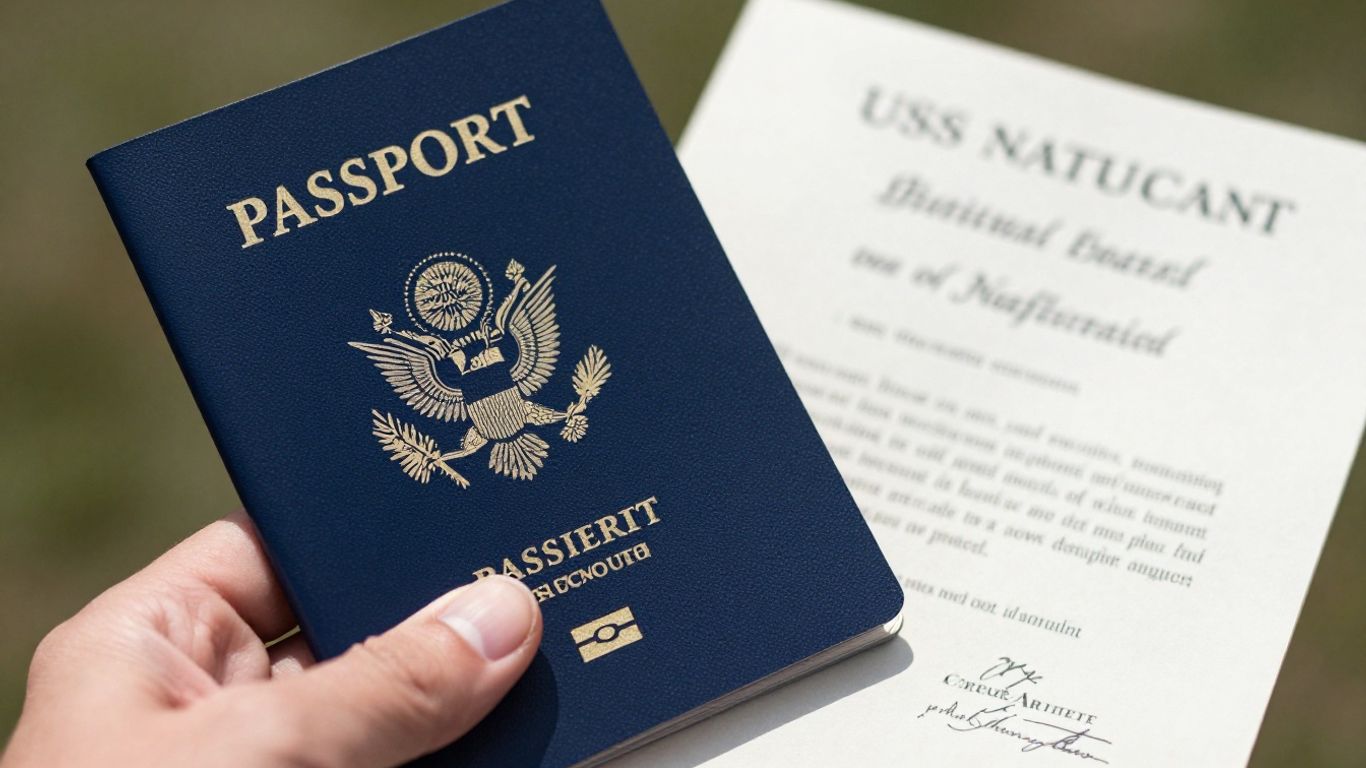
Thinking about becoming a U.S. citizen? It’s a big step, and honestly, the whole process can seem pretty overwhelming at first glance. You’ve probably heard a lot about naturalization and what it means to be a citizen. This guide is here to break down the journey to American citizenship, step by step. We’ll cover everything from checking if you’re eligible to the final oath ceremony. Our goal is to make the path to naturalization ciudadania americana as clear as possible for you.
Key Takeaways
Understand the specific requirements for naturalization based on your personal situation.
Learn how to correctly fill out and submit Form N-400, the application for naturalization.
Prepare thoroughly for your USCIS interview, including the English and civics tests.
Know what to expect after your application is approved, leading up to the Oath of Allegiance ceremony.
Recognize the significant benefits that come with American citizenship, such as voting rights and family sponsorship.
Understanding Eligibility For American Citizenship
So, you’re thinking about becoming a U.S. citizen? That’s a big step, and it all starts with figuring out if you even qualify. It’s not just about wanting it; there are specific rules you need to meet. Think of it like checking if you have all the ingredients before you start baking.
Reviewing Requirements Based on Your Specific Case
Everyone’s situation is a little different, right? That’s why the first thing you should do is look at your own background. Are you over 18? Have you been a lawful permanent resident for a certain amount of time? These are the kinds of questions you need to ask yourself. It’s not a one-size-fits-all deal. For most people, you’ll need to have had your green card for at least five years. But, if you’re married to a U.S. citizen, that timeline can sometimes be shorter, like three years. It really depends on the details of your life and your immigration status.
Key Eligibility Criteria for Naturalization
There are a few main things USCIS looks at when deciding if you can become a citizen. You absolutely need to be at least 18 years old. You also need to have been a lawful permanent resident for the required period – usually five years, or three if you’re married to a U.S. citizen. Beyond that, you have to show you’ve been physically present in the U.S. for a good chunk of that time, generally at least 30 months out of the last five years. It’s not just about having the card; it’s about living here. Good moral character is also a big one, and they’ll look at your history to see if you’ve met that requirement. Plus, you’ll need to demonstrate you can speak, read, and write basic English and that you know about U.S. history and government.
Here’s a quick rundown of the main points:
Age: Must be 18 or older.
Residency: Generally, 5 years as a lawful permanent resident (Green Card holder).
Spousal Exception: 3 years if married to a U.S. citizen.
Physical Presence: Lived in the U.S. for at least 30 months within the required residency period.
Good Moral Character: No serious criminal history or other disqualifying factors.
English Proficiency: Ability to speak, read, and write basic English.
Civic Knowledge: Understanding of U.S. history and government.
It’s really important to be honest about everything on your application. Trying to hide something, even if you think it’s small, can cause major problems down the road. USCIS wants to see that you’ve been upfront and truthful throughout your time in the U.S.
Distinguishing Between Citizenship and Permanent Residency
It’s easy to mix up being a permanent resident (having a green card) with being a citizen, but they’re quite different. As a permanent resident, you can live and work in the U.S. indefinitely, but you don’t have all the rights of a citizen. You can’t vote in federal elections, and in some very rare cases, you could even face deportation. Citizenship, on the other hand, is permanent. You get the right to vote, you can get certain jobs that require security clearances, and you can’t be deported. It’s the highest level of belonging in the country. Applying for naturalization is how you move from permanent residency to full citizenship. You’ll be filling out the Form N-400 for this process.
Navigating The Naturalization Application Process
So, you’ve figured out you’re eligible for citizenship. That’s awesome! The next big hurdle is actually applying. This part involves a few key steps, and getting them right can make a world of difference in how smoothly things go. It’s not exactly a walk in the park, but with a bit of focus, you can totally handle it.
Completing and Submitting Form N-400
This is where it all begins: the N-400, Application for Naturalization. Think of it as your official ticket to the citizenship party. You’ll need to fill it out completely and accurately. Seriously, don’t rush this. Any mistakes or missing info can cause delays, and nobody wants that. USCIS has resources to help you, including instructions in Spanish if that makes things easier. It’s a pretty detailed form, asking about your personal history, your time in the U.S., and more.
Gather all necessary documents beforehand. This includes things like your green card, passport, marriage certificates (if applicable), and tax records. Having them ready will make filling out the form much faster.
Be honest and thorough. Don’t try to hide anything. If you have past issues, it’s better to disclose them and explain. USCIS will find out anyway.
Double-check everything before submitting. A second pair of eyes, maybe a friend or a legal advisor, can catch errors you might have missed.
Preparing Your Application Package
Once the N-400 is filled out, you need to put together the rest of your application package. This isn’t just the form itself; it’s everything that goes along with it. You’ll likely need to include copies of your Permanent Resident Card (green card) and possibly other supporting documents depending on your specific situation, like marriage certificates or divorce decrees.
It’s also important to include the correct filing fee. If you can’t afford the fee, you might be eligible for a fee waiver, so look into that. Make sure you send everything to the correct USCIS Lockbox facility. The instructions for the N-400 will tell you exactly where to send it.
Understanding Biometrics Appointment Procedures
After USCIS receives your application, they’ll schedule you for a biometrics appointment. This is usually a few weeks to a couple of months after you submit your N-400. Don’t skip this! It’s a mandatory step. At the appointment, they’ll take your fingerprints, a photograph, and your signature. This is all for background checks and to confirm your identity. Make sure you bring the appointment notice and your green card.
Arriving on time for your biometrics appointment is important. It’s also a good idea to dress neatly, as you’ll be having your photo taken. Be prepared to go through a security check, so leave any prohibited items at home.
It might seem a bit intimidating, but it’s a pretty standard procedure. Just be polite, follow the instructions, and you’ll be out of there before you know it. This step is all about making sure everything checks out before you move on to the interview stage.
Preparing For Your Citizenship Interview
So, you’ve made it through the application and biometrics – that’s awesome! The next big step is the interview. Think of it as a conversation where a USCIS officer checks everything over and makes sure you’re ready to become a citizen. It’s totally normal to feel a bit nervous, but with the right prep, you’ll do great.
Reviewing Documents and Background Information
Before you even think about the interview itself, you need to get your paperwork in order. This isn’t just about having the N-400 form; it’s about bringing all the supporting documents that prove what you put on your application. This includes things like your green card, passport, birth certificate, marriage certificate (if applicable), tax returns, and any other documents that show you meet the requirements. It’s also a good time to think about your personal history. Were there any hiccups, like traffic tickets, arrests, or times you were out of the country for a while? Be ready to explain these things honestly and calmly. Having a clear record and being prepared to discuss any past issues is key.
Preparing for the USCIS Interview
This interview is your chance to show you’re ready for citizenship. The officer will ask you questions about your N-400 application to confirm the information is correct. They’ll also want to know about your background and your commitment to the U.S. It’s really important to be truthful and consistent with what you’ve already submitted. Practice answering common questions out loud. You can find lists of these online, and it really helps to say the answers instead of just thinking them. Think about how you’d explain your job, your family, and why you want to be a U.S. citizen. If you have any past immigration issues or criminal records, make sure you have explanations and any necessary documentation ready. This is where having a solid understanding of your own history makes a big difference.
Understanding the English and Civics Tests
Part of the interview involves two tests: one for English and one for U.S. civics. For the English test, the officer will assess your ability to speak, understand, read, and write basic English. They’ll chat with you about your application, and you’ll need to read a sentence aloud and write one down. For the civics test, you’ll be asked up to 10 questions about U.S. history and government. You need to get at least six correct to pass. There’s a list of 100 possible civics questions, and studying these is your best bet. Many people find it helpful to study with a friend or family member, or use online resources. Remember, the goal is to show you know enough about how the U.S. works and can communicate effectively. You can find great resources to help you prepare for your U.S. citizenship interview in 2026 on the official USCIS website.
Here’s a quick look at what the tests involve:
English Test:
Speaking: Assessed during the interview conversation.
Reading: Read one out of three sentences correctly.
Writing: Write one out of three sentences correctly.
Civics Test:
Answer at least 6 out of 10 questions correctly from a list of 100.
Questions cover U.S. history and government.
Don’t get too stressed about the tests. They are designed to assess basic knowledge and language skills. Focus on studying the official materials provided by USCIS, and practice regularly. Confidence comes from preparation.
If you’re unsure about any part of the process or have complex background issues, talking to an immigration lawyer can be really helpful. They can guide you on how to best present your case and prepare for potential challenges.
The Final Steps to Citizenship
So, you’ve made it through the interview and passed the tests. That’s fantastic news! The finish line is in sight, and it’s an exciting time. The next steps are pretty straightforward, but they’re important to get right.
Receiving Application Approval
After your interview, USCIS will let you know if your application for naturalization has been approved. This usually happens pretty quickly, sometimes even right at the end of your interview. If, for some reason, you didn’t pass the English or civics test, don’t panic. You’ll typically get a chance to retake them. The approval notice is your official confirmation that you’re on your way to becoming a U.S. citizen. It’s a good idea to double-check this notice for any errors, especially with your name and personal details, before you move on.
Attending the Oath of Allegiance Ceremony
This is the big one, the moment you officially become a citizen! You’ll be invited to attend an Oath of Allegiance ceremony. This is a formal event where you’ll swear loyalty to the United States. It’s a pretty moving experience for most people. You’ll receive your Certificate of Naturalization here, which is your proof of citizenship.
What to Bring: Make sure you bring the required identification documents, usually your green card and the notice from USCIS.
What to Expect: The ceremony typically includes a welcome, the oath itself, and the presentation of your certificate.
Dress Code: While not strictly enforced, it’s a significant occasion, so dressing respectfully is a good idea.
This ceremony is the culmination of your journey. It’s where you formally pledge your allegiance and transition from a permanent resident to a full U.S. citizen.
Enjoying Your New Citizenship Rights
Congratulations, you’re a citizen! Now you get to enjoy all the rights and responsibilities that come with it. This includes the right to vote in federal elections, which is a huge part of civic participation. You can also apply for a U.S. passport, making international travel much simpler. Plus, you gain protection against deportation and can sponsor certain family members for immigration. It’s a big change, and it opens up a lot of new possibilities. You can find more information on the naturalization process and what comes next.
Benefits of American Citizenship
Becoming a U.S. citizen is a big deal, and it comes with some pretty significant advantages. It’s more than just a title; it’s a gateway to a whole new level of rights and security in the United States. Think of it as getting the full membership card to the country.
Voting Rights and Civic Participation
One of the most talked-about benefits is the right to vote. As a citizen, you get a say in who represents you and who makes the laws, from local elections all the way up to the presidential race. This is a powerful way to be involved in how the country is run. It’s your chance to make your voice heard on issues that matter to you and your community.
Sponsoring Family Members
Citizenship also opens up more doors when it comes to bringing family to the U.S. While permanent residents have some ability to sponsor relatives, citizens can petition for a wider range of family members, including parents, siblings, and married children. This can make a huge difference for families looking to reunite.
Protection Against Deportation and Enhanced Travel
This is a really important one: as a citizen, you cannot be deported. Your status is permanent and secure. This offers a level of peace of mind that permanent residents don’t have. Also, traveling abroad becomes much simpler. You can get a U.S. passport, which makes international travel smoother and avoids potential issues with re-entering the country that non-citizens might face. You won’t have to worry about your immigration status lapsing if you spend extended time outside the U.S.
Beyond these key points, citizenship often means eligibility for certain government jobs that are off-limits to non-citizens. It also grants access to federal student aid and other public benefits without the same restrictions that might apply to permanent residents. It’s about having the fullest possible rights and opportunities available in the country.
Here’s a quick look at some of the key differences:
Feature
Permanent Resident (Green Card)
U.S. Citizen (Naturalized)
Right to Vote
No
Yes
Protection from Deportation
No
Yes
Sponsoring Family
Limited
Broader
U.S. Passport
No
Yes
Federal Job Eligibility
Limited
Yes
Your Journey to Citizenship
So, you’ve made it through the whole process. It wasn’t always easy, right? There were probably moments you wondered if you’d ever get here. But you did. Taking that final oath and becoming a U.S. citizen is a huge deal, a real milestone. It means you’ve got a new set of rights and responsibilities, and a permanent place in this country. It’s the start of a new chapter, and we hope this guide helped make that journey a little clearer. Congratulations on reaching this important goal!
Frequently Asked Questions
What’s the main difference between being a permanent resident and a U.S. citizen?
Think of a permanent resident, or Green Card holder, as someone who has permission to live and work in the U.S. for a long time. They have to renew their Green Card every 10 years and can’t vote in federal elections. They might also have to leave if they break certain laws or spend too much time outside the country. A U.S. citizen, on the other hand, has a permanent place in the country. They can vote, travel freely, and generally can’t be deported. It’s a much more secure status.
How long do I have to live in the U.S. before I can apply for citizenship?
Generally, you need to have been a lawful permanent resident (meaning you have your Green Card) for at least 5 years. However, if you are married to a U.S. citizen, that time can be reduced to 3 years. It’s important to also have lived in the U.S. for at least half of that time and to have been physically present in the country for at least 30 months.
What is the N-400 form?
The N-400 is the official application form you need to fill out to become a U.S. citizen through naturalization. It asks for a lot of information about your background, your time in the U.S., and your personal history. It’s super important to fill it out accurately and completely, as any mistakes could cause delays or even lead to your application being denied.
What happens at the biometrics appointment?
After you submit your N-400 application, USCIS will schedule you for a biometrics appointment. This is where they’ll take your fingerprints, take your photo, and get your signature. This information is used to check your background, including any criminal records, to make sure you meet the good moral character requirement for citizenship.
Do I really need to know English and U.S. history to become a citizen?
Yes, you do! During your interview, you’ll have to take two tests. One is an English test to see if you can read, write, and speak basic English. The other is a civics test, which checks your knowledge of U.S. history and government. There are study materials available to help you prepare for these important tests.
What happens after my citizenship interview?
If you pass your interview and both tests, USCIS will usually let you know if your application is approved. The very last step is attending an Oath of Allegiance ceremony. This is a special event where you officially promise to be loyal to the United States. Once you take the oath, you are officially a U.S. citizen!
Living with domestic violence is incredibly tough, and if you’re an immigrant, the fear of deportation or your abuser finding out can make things even scarier. It’s a lot to deal with, and honestly, it’s easy to feel stuck. But there are laws in place designed to help people like you. This article talks about VAWA inmigracion violencia domestica, explaining your rights and the options you have to find safety and a path forward, even without your abuser’s help.
Key Takeaways
VAWA, or the Violence Against Women Act, offers a way for immigrant survivors of abuse by U.S. citizens or permanent residents to get legal status on their own, without the abuser knowing.
You can file a VAWA self-petition even if your abuser has threatened you or controlled your immigration papers.
The U visa is another option for victims of certain crimes, including domestic violence, who cooperate with law enforcement, and it doesn’t require a family relationship with the abuser.
VAWA also provides protections in housing, preventing denial or eviction due to abuse and offering rights to emergency transfers.
Your information is kept private, and you have rights against retaliation. Help is available, so you don’t have to go through this alone.
Understanding VAWA Immigration and Domestic Violence
What is VAWA?
The Violence Against Women Act, or VAWA, is a federal law that was first passed in 1994. While its name might suggest it only applies to women, it actually offers protections and immigration relief to all victims of domestic violence, dating violence, sexual assault, or stalking, regardless of gender, sexual orientation, or marital status. VAWA provides a way for immigrant survivors of abuse to gain legal status in the U.S. independently, without relying on their abuser. This is a really important point because it means you don’t have to stay in a dangerous situation just because you depend on your abuser for your immigration status.
VAWA’s Protection for Immigrant Survivors
For immigrant survivors, VAWA is a lifeline. It acknowledges that abuse can happen within families and that an abuser might use immigration status as a tool to control their victim. VAWA allows certain individuals who are abused by a U.S. citizen or lawful permanent resident spouse, parent, or child to file a petition for themselves. This means you can apply for legal status on your own, and immigration authorities will not share your information with your abuser. This confidentiality is key to helping survivors break free from abusive relationships. It’s a way to seek safety and independence, even if your abuser has threatened to deport you or has controlled your immigration paperwork. You can explore VAWA self-petition options without their knowledge.
Key Protections Offered by VAWA
VAWA offers several layers of protection for survivors:
Self-Petitioning: As mentioned, you can file a petition for yourself without your abuser’s involvement. This is a major step towards independence.
Confidentiality: Your personal information is protected. USCIS will not tell your abuser that you have filed a VAWA petition.
Abuser’s Status Doesn’t Matter: Even if your abuser is no longer a U.S. citizen or lawful permanent resident (for example, if they lose their status or pass away), you may still be eligible if the abuse occurred while they held that status.
No Requirement to Live Together: You don’t have to be currently living with your abuser to qualify. Past abuse can be grounds for a VAWA petition.
Protection from Retaliation: VAWA is designed to protect you. Filing a petition should not lead to negative consequences from immigration authorities, and there are protections against retaliation from your abuser.
It’s important to remember that VAWA is a complex law, and eligibility requirements can be specific. Gathering evidence of the abuse and the qualifying relationship is a significant part of the process. Many survivors find it helpful to work with an immigration attorney or a domestic violence advocate to ensure their petition is filed correctly and includes all necessary documentation.
Eligibility for VAWA Self-Petition
So, you’re looking into the VAWA self-petition process? That’s a big step, and understanding who qualifies is the first hurdle. It’s designed to help immigrant survivors of domestic violence get a pathway to legal status without their abuser’s involvement. The core idea is that you’ve been abused by a U.S. citizen or lawful permanent resident relative. But there’s more to it than just that.
Qualifying Relationships for VAWA
To be eligible, you need to have a specific relationship with the person who abused you. This usually means you are or were:
A spouse (or intended spouse, or former spouse) of an abusive U.S. citizen or lawful permanent resident. This can include situations where the marriage ended due to the abuse, or if the abuser lost their status within two years of you filing.
A child of an abusive U.S. citizen or lawful permanent resident parent. Your own children can often be included on your petition too.
A parent of an abusive U.S. citizen son or daughter who is at least 21 years old.
It’s important to note that if you’re filing as a spouse, the abuse can be directed at you or your child. The abuse must have happened during the qualifying relationship.
Demonstrating Abuse and Good Moral Character
Beyond the relationship, you have to show that you were actually subjected to battery or extreme cruelty by your relative. This isn’t just about emotional hardship; it needs to be something concrete that you can prove. Evidence can include police reports, medical records, witness statements, or even your own detailed account of what happened. You also need to show that you’ve generally been a person of good moral character. This means you haven’t done things like committed certain crimes or lied to immigration officials in the past.
Proving abuse can be tough, especially when you’re trying to leave a dangerous situation. Remember, you don’t need a criminal conviction of the abuser to qualify. The focus is on what happened to you and the relationship you had.
Special Circumstances for Eligibility
Sometimes, things get complicated. What if your abuser dies, or loses their U.S. citizenship or permanent resident status? VAWA has provisions for these situations. For example, if your abusive spouse dies, you might still be able to file. Also, if you’re living outside the U.S. when you file, there are specific conditions that might apply, like if your abuser works for the U.S. government or is in the military, or if the abuse happened to you while you were in the U.S.
Filing a VAWA self-petition is done using Form I-360, Petition for Amerasian, Widow(er), or Special Immigrant. There’s no fee for this form when you file it as a VAWA self-petitioner. You’ll need to gather all the evidence to support your claims about the relationship, the abuse, and your good moral character. It can feel overwhelming, but there are resources available to help you through the process.
The VAWA Self-Petition Process
Filing a VAWA self-petition is a way for immigrant survivors of domestic violence to start their own immigration case, separate from their abuser. This process is designed so you don’t have to tell your abuser you’re applying, which can be a huge relief and a critical step towards safety. It’s all about giving you a path to independence.
Filing Without Your Abuser’s Knowledge
One of the most important aspects of the VAWA self-petition is that you can file it without your abuser ever knowing. This is a big deal because it means you can take steps toward a safer future without fear of immediate retaliation or further control. You’ll need to submit Form I-360, Petition for Amerasian, Widow(er), or Special Immigrant. There’s no fee for this form when you file it as a VAWA self-petitioner. Along with the form, you’ll need to provide evidence that shows you meet the eligibility requirements, including proof of the abuse and your relationship with the abuser.
Including Family Members in Your Petition
If you have children who are under 21 and unmarried, you can often include them on your VAWA self-petition as derivative beneficiaries. This means they can also get on a path to legal status through your petition. You’ll need to provide proof of their relationship to you and that they meet the age and marital status requirements at the time you file. If you are filing as a parent of an abusive U.S. citizen, you generally cannot include derivative beneficiaries. It’s important to get this right, as including eligible family members can help them too.
Pathways to Legal Permanent Residence
An approved VAWA self-petition doesn’t automatically give you a Green Card, but it’s a major step. It grants you an immigrant classification, which then allows you to apply for lawful permanent residence. If you are in the United States when your petition is approved, you can apply for adjustment of status. If you are outside the U.S., you might go through consular processing. Sometimes, USCIS might ask you to attend an interview to discuss your case. This interview is a chance to explain your situation, but it doesn’t mean something is wrong with your application. Failing to attend an interview, if scheduled, could lead to your petition being denied. The goal is to eventually get your Green Card and gain more stability.
The entire process can feel overwhelming, but remember that resources are available to help you. You don’t have to figure this all out alone. Taking this step is about reclaiming your life and building a future free from abuse.
For more information on related immigration options, you can look into the U visa process.
Alternative Immigration Options for Survivors
Sometimes, VAWA might not be the right fit for everyone, and that’s okay. The U.S. immigration system has other avenues designed to help people who have been through tough times, especially when it involves crime or abuse. It’s good to know what else is out there.
Understanding the U Visa
The U visa is a special immigration status for victims of certain crimes who have helped or are willing to help law enforcement investigate or prosecute that crime. Domestic violence is definitely one of those crimes. This visa is a way for victims to get temporary legal status and, eventually, a path to permanent residency. It’s not just for spouses or family members; it’s for anyone who has suffered physical or mental harm because of a crime and has cooperated with the authorities.
U Visa Eligibility and Requirements
To be eligible for a U visa, a few things need to be true. First, you must have been the victim of a qualifying crime. This includes things like domestic violence, sexual assault, stalking, and many others. Second, you must have suffered substantial physical or mental abuse as a result of that crime. And third, and this is a big one, you must have reported the crime to law enforcement and be helpful, or willing to be helpful, in the investigation or prosecution. This cooperation is key.
Here’s a quick rundown of what you generally need:
Victimization: You were a victim of a crime that violates U.S. law.
Harm Suffered: You experienced significant physical or mental harm.
Cooperation: You have reported the crime and are cooperating with law enforcement or government officials.
Admissibility: You are generally admissible to the U.S. or eligible for a waiver of inadmissibility.
It’s important to know that the U visa process can take a while, but it offers a real chance for safety and stability. You can get help with legal assistance for U Visas from expert immigration lawyers.
When VAWA May Not Apply
There are situations where VAWA might not be the best option. For example, VAWA requires the abuse to be by a U.S. citizen or lawful permanent resident spouse, parent, or child. If the abuser is not a U.S. citizen or Green Card holder, VAWA won’t apply. Also, if the abuse doesn’t meet the specific legal definition of abuse under VAWA, or if you don’t have the required qualifying relationship, you might need to look at other options like the U visa. Sometimes, people might not have enough evidence to prove the abuse for VAWA, but they might still have a case for a U visa if they reported the crime.
It’s really important to talk to an immigration attorney about your specific situation. They can help you figure out which path is best for you, whether it’s VAWA, the U visa, or something else entirely. Don’t feel like you’re stuck; there are options available to help you find safety and build a better future.
Your Rights and Safety as a Survivor
Confidentiality of Your Information
It’s really important to know that when you report abuse or seek help through VAWA, your personal information is kept private. Immigration authorities are not allowed to share details about your case with your abuser. This is a key part of the law, designed to protect you from further harm or retaliation. You can take steps to protect your online activity too. Be mindful of your internet search history, as web browsers can track the sites you visit. Using a public computer, like one at a library, might be a safer option if you’re worried about your abuser finding out what you’re looking into.
Protection Against Retaliation
VAWA is specifically designed to shield you from retaliation. This means your abuser cannot legally use your immigration status against you or threaten you with deportation if you report them. The law gives you a way to get legal status on your own, without needing their cooperation or even their knowledge. This independence is a big part of regaining control and safety. Remember, you don’t have to stay silent or endure abuse because you fear what your abuser might do.
Seeking Immediate Assistance and Support
Your safety is the absolute top priority. If you are in immediate danger, don’t hesitate to call 911. For confidential support and resources, the National Domestic Violence Hotline is available 24/7. They can offer guidance, connect you with local services, and help you make a safety plan.
Here are some ways to get help:
Emergency Situations: Call 911 immediately if you are in danger.
Confidential Support: Contact the National Domestic Violence Hotline at 1-800-799-7233. They offer support and resources.
Legal Information: Look for local legal aid organizations or immigration attorneys who specialize in VAWA cases. Many offer free or low-cost consultations.
It’s a difficult situation, but you are not alone. There are people and laws in place to help you. Taking that first step to reach out can make a world of difference in finding safety and a path forward.
VAWA Housing Protections
Protections Against Denial or Eviction
When you’ve experienced domestic violence, dating violence, sexual assault, or stalking, VAWA steps in to offer some really important housing protections. Basically, you can’t be turned away from a place or kicked out just because of what happened to you. This applies to housing that gets federal help, like places managed by HUD. So, if you have a history of abuse, that alone shouldn’t stop you from getting an apartment or keeping the one you have. Even if there was some trouble related to the abuse, like a past eviction record or issues with credit, those things can’t be used against you to deny you housing or evict you.
Right to Emergency Transfers
Your safety is the top priority, and VAWA recognizes that. If you’re living in HUD-subsidized housing and need to move quickly because of ongoing abuse or threats, you have the right to request an emergency transfer. This means you can ask to move to a different safe location. If you have a Housing Choice Voucher (often called Section 8), you can usually take that assistance with you to the new place. It’s designed to help you get out of a dangerous situation without losing your housing support.
Confidentiality in Housing Matters
It’s super important that your personal information stays private, especially when you’re dealing with sensitive situations like domestic violence. VAWA housing protections include strict rules about keeping your status as a survivor confidential. Housing providers aren’t allowed to share information about you being a victim of violence with others without your permission. This helps protect you from retaliation or further harm. You also have the right to be informed about your housing rights under VAWA, and housing providers are supposed to give you specific forms explaining these rights and how you can self-certify your situation.
VAWA housing protections are there to help keep you safe and stable. They mean that your past experiences with violence shouldn’t be a barrier to having a safe place to live. It’s about giving survivors a fair chance and the support they need to move forward without fear.
Moving Forward: You Don’t Have to Go Through This Alone
Dealing with domestic violence is incredibly tough, and when immigration is involved, it can feel even more overwhelming. But remember, you have rights and there are paths to safety and independence. Laws like VAWA and the U visa exist to help people just like you. They offer a way to get legal status without your abuser knowing or being involved. It’s a way to start fresh, on your own terms. If you’re in danger, please reach out to the National Domestic Violence Hotline or call 911. When you’re ready to look into your immigration options, talking to an immigration lawyer can make a big difference. They can explain everything clearly and help you figure out the best next steps for your situation. You deserve to be safe and to build a better future.
Frequently Asked Questions
What exactly is VAWA and who does it help?
VAWA stands for the Violence Against Women Act. Even though it has ‘women’ in the name, it helps all people, no matter their gender, who are immigrants and have faced abuse from a U.S. citizen or legal permanent resident family member. It offers a way for them to get legal status on their own.
Can I apply for VAWA if my abuser won’t help me or doesn’t know I’m applying?
Yes! A key part of VAWA is that you can ‘self-petition.’ This means you can apply for immigration benefits by yourself, without your abuser’s knowledge, permission, or help. They won’t be told you applied, and you don’t need their signature or cooperation.
What kind of abuse counts for VAWA?
VAWA covers different kinds of abuse. This includes physical harm, sexual abuse, and extreme mental or emotional mistreatment. It can also include things like threats, isolation, or controlling your money, which are ways an abuser might try to keep power over you.
What if I don’t qualify for VAWA? Are there other options?
Yes, there are other options. One is the U visa. This is for people who have been victims of certain crimes in the U.S. (like domestic violence, assault, or stalking) and have helped or are willing to help law enforcement investigate or prosecute the crime. It doesn’t require a family relationship with the abuser.
Will my abuser find out if I use VAWA or the U visa?
No, your privacy is protected. Immigration officials will not share your information with your abuser. This is to ensure your safety and prevent retaliation. You can seek help and apply for legal status without them knowing.
Where can I get help or more information about VAWA or other options?
You can contact the National Domestic Violence Hotline at 1-800-799-7233 for immediate support. It’s also a good idea to speak with an experienced immigration lawyer who understands VAWA and U visas. They can explain your specific situation and guide you through the process safely.
Being a victim of a crime in the U.S. can be incredibly tough. On top of everything else, you might be worried about your immigration status. But there’s a special visa, the U visa, designed for crime victims who help with investigations. It’s called the U visa for crime victims, or ‘U visa victimas de crimen’ in Spanish, and it could be your path to legal status and even a green card. Let’s break down what this means for you.
Key Takeaways
The U visa is for victims of qualifying crimes who have suffered harm and are willing to help law enforcement investigate or prosecute the crime.
To be eligible, you must have been a victim of a crime that occurred in the U.S. or violated U.S. laws, and suffered substantial physical or mental abuse.
Cooperating with law enforcement or government officials in the investigation or prosecution of the crime is a major requirement for the U visa.
After holding a U visa for three years, you may be eligible to apply for a Green Card, which leads to permanent residency.
Qualifying family members can also be included in the U visa application or apply for their own status based on the victim’s U visa.
Understanding the U Visa for Crime Victims
What is a U Visa?
The U visa is a special immigration status created for individuals who have been victims of certain crimes in the United States. It’s not just about getting a visa; it’s about offering protection and a chance for a better life to those who have suffered. The core idea is to help victims while also encouraging them to assist law enforcement. This visa acknowledges the difficult situations crime victims face and provides a way for them to come forward without fear of deportation. It’s a non-immigrant visa, meaning it’s temporary, but it can be a really important first step for many people.
Purpose of the U Visa in Immigration Law
Congress put the U visa into law back in 2000. The main goal was twofold. First, it’s meant to give support and relief to people who have been through serious criminal activity. Think about the trauma involved – this visa tries to offer some stability. Second, and this is a big one, it’s designed to help police and other government agencies solve crimes. By offering this visa, the government hopes that victims will feel safe enough to report crimes and cooperate with investigations. It’s a way to build trust and get criminals off the streets. It really helps law enforcement agencies better serve victims of crimes.
Key Benefits for Victims of Crime
So, what’s in it for the victim? Well, there are several good reasons to look into the U visa. For starters, it allows you to live and work legally in the U.S. for up to four years. That’s a huge deal if you’ve been living in fear or uncertainty. It also provides a potential pathway to permanent residency, also known as a Green Card, after a certain period of time. This means you could eventually become a lawful permanent resident. Plus, it offers protection from deportation while your case is pending. It’s a way to start rebuilding your life after a terrible experience, offering a sense of security and dignity. The U visa is a pathway to a Green Card for victims of certain crimes, offering a beacon of hope.
Here’s a quick look at the main benefits:
Legal Status: Allows you to live and work in the U.S. legally.
Protection: Offers safety from deportation while your case is processed.
Pathway to Permanent Residency: Can lead to a Green Card after meeting certain requirements.
Support for Investigations: Helps law enforcement bring criminals to justice.
The U visa process can seem complicated, and dealing with law enforcement can be intimidating, especially when you’re already a victim. It’s important to remember that the system is designed to help you, and there are resources available to guide you through it.
Eligibility Requirements for U Visa Applicants
So, you’re thinking about the U visa? It’s a way for folks who have been through a tough time because of a crime to get legal status in the US. But, it’s not just for anyone who’s seen some bad stuff. There are specific things you need to show to be considered. It’s all about proving you were a victim, you suffered because of it, and you helped, or can help, the police.
Victimization of a Qualifying Criminal Offense
First off, you have to have been the victim of a crime that qualifies for the U visa. This isn’t just any minor incident; it’s a list of serious offenses. Think things like abduction, domestic violence, sexual assault, trafficking, and a bunch of other crimes. The crime has to have happened here in the U.S. or violated U.S. laws.
Here’s a look at some of the crimes that might qualify:
Abduction
Abusive Sexual Contact
Domestic Violence
Felonious Assault
Hostage
Human Trafficking
Incest
Involuntary Servitude
Kidnapping
Malicious Mischief
Obstruction of Justice
Rape
Sexual Assault
Stalking
Torture
Unlawful Imprisonment
Blackmail
Extortion
Fraud
Money Laundering
Perjury
Suffering Substantial Physical or Mental Abuse
Being a victim isn’t enough; you also have to show that the crime caused you significant harm. This means you experienced substantial physical or mental abuse. It’s not just about feeling a little shaken up. The abuse needs to be serious enough to leave a mark, whether it’s a physical injury or a deep emotional or psychological impact. This is often proven with medical records, therapy notes, or statements from professionals who treated you.
The law recognizes that victims of serious crimes often endure profound suffering. The U visa aims to acknowledge this suffering and provide a path toward healing and stability for those who have been victimized.
Cooperation with Law Enforcement Investigations
This is a big one. To get a U visa, you generally need to have been helpful, be currently helping, or be willing to help law enforcement or government officials with the investigation or prosecution of the crime. This cooperation is key because the visa is designed to aid in fighting crime. You’ll need a certification from the law enforcement agency involved, confirming your helpfulness. If you’re under 16 or have a disability that prevents you from directly assisting, a parent, guardian, or someone acting on your behalf can provide the necessary information or cooperation.
What does ‘helpful’ mean? It means you provided information about the crime that the authorities found useful, or you are willing to provide such information.
Who needs to certify this? Usually, it’s the police department, prosecutor’s office, or another relevant government agency that investigated or prosecuted the crime.
What if the crime is old? Even if the investigation is closed, your past cooperation can still count if it was significant.
It’s important to remember that even if you don’t meet all these requirements perfectly, there might be ways to address issues, especially with the help of an experienced immigration attorney. They can help you gather the right evidence and present your case effectively.
The Path to Permanent Residency Through a U Visa
So, you’ve gone through the tough process of getting a U Visa. That’s a big step, and it’s great that you’re looking ahead. The good news is, a U Visa isn’t just a temporary solution; it can actually lead to something more permanent. Many people use the U Visa as a stepping stone to getting a Green Card and becoming a lawful permanent resident of the United States. It’s designed to offer stability to those who have bravely come forward after experiencing serious crimes.
U Visa as a Pathway to a Green Card
Think of the U Visa as a bridge. After you’ve held your U Visa status for a certain amount of time and met specific conditions, you can apply to adjust your status to that of a lawful permanent resident. This means you could eventually get a Green Card, which allows you to live and work in the U.S. indefinitely. It’s a way for the country to recognize your resilience and your contribution to public safety.
Requirements for Adjusting Status
To make that jump from a U Visa to a Green Card, there are a few key things you’ll need to show. USCIS, the agency that handles these applications, will look at whether you’ve met all the conditions of your U Visa. This generally includes:
Continuous Physical Presence: You need to have been physically present in the U.S. for a specific period while holding the U Visa. There are some exceptions, but generally, you can’t be away for too long.
Continuous Residence: Similar to physical presence, you need to have maintained continuous residence in the U.S. This means your U Visa status hasn’t been interrupted.
Good Moral Character: You’ll need to demonstrate that you’ve been a person of good moral character during the time you’ve held the U Visa.
Continued Cooperation (if applicable): In some cases, you might need to show you’ve continued to be helpful to law enforcement if requested.
Continuous Physical Presence and Eligibility
This idea of ‘continuous physical presence’ is really important. It means you can’t just leave the U.S. for extended periods. While short trips abroad are usually okay, longer absences can break that continuity and affect your ability to apply for a Green Card. It’s a good idea to keep detailed records of your travel during your U Visa period. Also, remember that the U Visa itself has a time limit, usually up to four years, though extensions are possible. The application for permanent residency can typically be filed after three years on U Visa status, provided you meet the presence and other requirements.
The journey from being a victim of a crime to potentially becoming a permanent resident is a long one, but the U Visa offers a structured way to move forward. It acknowledges the difficulties you’ve faced and rewards your willingness to help.
It’s not always a simple process, and there can be specific rules about what counts as ‘continuous presence’ or ‘good moral character.’ That’s why getting advice from an immigration lawyer who knows the ins and outs of the U Visa program is a really smart move. They can help you track your time, gather the right documents, and make sure you’re on the right track for that Green Card.
Navigating the U Visa Application Process
So, you’ve decided to pursue a U Visa. That’s a big step, and honestly, the application process can feel like a maze. But don’t worry, we’ll break it down.
Required Forms and Documentation
Getting your application together means gathering a bunch of paperwork. You’ll need to fill out specific forms, like the main application form and others for any family members coming with you. Think of it like building a case – the more solid your evidence, the better.
Form I-918, Petition for U Nonimmigrant Status: This is the big one, where you lay out your case.
Form I-918 Supplement B, U Nonimmigrant Status Certification: This is where law enforcement confirms your helpfulness.
Evidence of your victimization: This could be police reports, medical records, or anything that shows you were a victim of a qualifying crime.
Proof of your suffering: Documentation showing the physical or mental harm you experienced.
The Role of Law Enforcement Certification
This part is super important. You need a law enforcement agency (like the police or prosecutor’s office) to fill out a specific form, called the Supplement B. This form is basically their statement that you were a victim and that you helped, or are willing to help, with their investigation or prosecution of the crime. Without this certification, your application likely won’t go anywhere. It can sometimes be tricky to get this, especially if the crime was a while ago or if communication has been difficult.
Getting the right certification from law enforcement is a key piece of the puzzle. It’s not just a formality; it’s a statement from an official source that validates your experience and your cooperation. This document carries a lot of weight with immigration officials.
Addressing Inadmissibility Issues
Sometimes, people applying for a U Visa might have things in their past that could make them "inadmissible" to the U.S. This could be things like certain criminal convictions, past immigration violations, or other issues. If this sounds like you, don’t despair. There are ways to ask for a waiver, which is basically asking immigration to overlook that specific issue. It means you’ll need to provide even more evidence to show why granting you the U Visa is still the right thing to do. You can find more information about petitioning for temporary immigration benefits on Form I-192.
It’s a lot to keep track of, for sure. But taking it one step at a time, and making sure you have all your documents in order, makes the whole process much more manageable. Remember, this visa is designed to help victims, and while the paperwork can be daunting, it’s a pathway to safety and stability.
Family Members and U Visa Eligibility
Qualifying Family Members for U Visas
So, you’ve successfully filed for your U visa, which is fantastic news. But what about your family? The good news is that the U visa isn’t just for you; it can often extend to certain family members, allowing them to come to the U.S. or adjust their status here. This is a really important part of the U visa process, aiming to keep families together.
Generally, who qualifies depends on your age when you file your U visa petition. If you are under 21 years old, you can petition for your spouse, children, parents, and unmarried siblings who are under 18. If you are 21 or older, you can petition for your spouse and children. It’s important to remember that these family members are called "derivative beneficiaries." They can only be considered for a U visa after your own U visa petition has been approved.
Here’s a quick breakdown:
If you are under 21: You can include your spouse, children, parents, and unmarried siblings under 18.
If you are 21 or older: You can include your spouse and children.
Applying for Green Cards for Family
Getting a U visa is a big step, but it’s often just the beginning. For many, the ultimate goal is a Green Card, and that pathway can extend to your qualifying family members too. Once you have your U visa status, your eligible family members can also apply to adjust their status to become Lawful Permanent Residents (Green Card holders).
To bring your family members to the U.S. or help them get their Green Cards, you’ll typically need to file a specific form for each one: Form I-929, Petition for Qualifying Family Member of U-1 Nonimmigrant. You can file this form at the same time you file your own U visa application or at a later point. If the I-929 is approved, your family members in the U.S. can then file Form I-485 to apply for their Green Card. If they are outside the U.S., they’ll need to go through consular processing at a U.S. embassy or consulate.
Petitioning for Qualifying Relatives
Filing the correct paperwork is key. For derivative U visas, you’ll use Form I-918, Supplement A, Petition for Qualifying Family Member of U-1 Recipient. This is usually filed along with your main Form I-918, Application for U Nonimmigrant Status. Remember, there are no fees for filing these U visa petitions, which is a relief for many.
It’s worth noting that even if your family members never held derivative U visa status themselves, they might still be eligible to apply for a Green Card based on your U visa status. The process focuses on your eligibility and their qualifying relationship to you.
The number of U visas issued each year is capped at 10,000 for principal applicants. However, there’s no annual limit for derivative family members. If the cap is reached for principal applicants, USCIS will create a waiting list. Those on the waiting list are often granted deferred action or parole, which allows them to work while they wait for a visa to become available. This means that even if there’s a delay, your family members can still have a path forward.
Overcoming Challenges in U Visa Applications
Applying for a U visa can feel like a really tough climb, especially when you’ve already been through so much. It’s not uncommon to run into roadblocks, but knowing what they are and how to get around them makes a big difference. The key is often in how well you can prove your case and your willingness to help.
Common Hurdles for Applicants
Lots of people find the application process confusing. Here are some of the usual problems folks face:
Proving Eligibility: Sometimes it’s hard to show you were actually a victim of a qualifying crime or that you suffered significant harm. This can be tricky if the crime wasn’t reported right away or if evidence is scarce.
Cooperation with Law Enforcement: Getting that official certification from the police or prosecutor’s office can be a major hurdle. They might be busy, or there could be misunderstandings about your role.
Annual Visa Cap: There’s a limit on how many U visas are given out each year. If that limit is reached, your application might get put on hold, leading to long waits.
Inadmissibility Issues: Certain past actions or circumstances could make someone technically inadmissible to the U.S., even if they are a victim. This needs careful handling.
Strategies for Proving Eligibility
So, how do you tackle these issues head-on? It’s all about building a strong case. For starters, gathering as much evidence as possible is super important. This could include police reports, medical records showing your injuries, and any communication you had with law enforcement. If you’re worried about proving your cooperation, think about how you assisted the investigation. Did you give a statement? Did you testify? Even small actions count. Your willingness to help authorities investigate or prosecute the crime is a cornerstone of your application.
The U visa process is designed to help victims, but it requires a clear demonstration of your victimization and your cooperation. Think of it as telling your story with evidence to back it up every step of the way. This includes showing the harm you suffered, both physically and mentally, and how you contributed to bringing a criminal to justice.
The Importance of Legal Representation
Honestly, trying to do this all by yourself can be overwhelming. That’s where having an immigration lawyer can really change things. They know the ins and outs of the U visa requirements and can help you gather the right documents. They can also communicate with law enforcement on your behalf and help sort out any inadmissibility problems. A good lawyer acts as your advocate, making sure your application is complete and presented in the best possible light. They can help you understand the timeline, which can often be quite long, and keep you informed throughout the process. Having someone in your corner who understands these complex legal waters can make all the difference in successfully obtaining your U visa.
Wrapping Up: Your Path Forward
So, that’s the rundown on the U Visa. It’s definitely not a simple process, and there are a lot of moving parts to keep track of. But, if you’ve been through a tough situation and meet the requirements, it really can be a way to get legal status and start rebuilding your life here. It’s a chance to get some stability and security. Remember, getting help from people who know this stuff inside and out can make a huge difference. Don’t try to figure it all out alone if you don’t have to.
Frequently Asked Questions
What exactly is a U Visa?
Think of a U Visa as a special pass for people who have been victims of certain crimes in the U.S. If you’ve been through a tough situation and suffered harm, and you’re willing to help the police or other authorities with their investigation, this visa might be an option for you. It’s a way for the government to help victims while also helping to catch criminals.
Why was the U Visa created?
Congress created the U Visa to help two groups of people. First, it offers protection and a chance for legal status to victims of serious crimes who have been hurt, either physically or mentally. Second, it encourages these victims to work with law enforcement to solve crimes, which helps make communities safer for everyone.
Who can get a U Visa?
To be considered for a U Visa, you generally need to be a victim of a specific type of crime that happened in the U.S. You must have suffered significant physical or mental harm because of that crime. Plus, you need to have information about the crime and be willing to help the police or government officials investigate or prosecute the person who committed the crime.
Can a U Visa lead to a Green Card?
Yes, absolutely! A U Visa is often the first step towards getting a Green Card, which means becoming a lawful permanent resident of the U.S. After holding a U Visa for a certain period, usually three years, and meeting other requirements, you can apply for a Green Card. It’s a pathway to a more stable future.
What if I have family members who were also affected?
Good news! Certain close family members of the main U Visa applicant might also be eligible to come to the U.S. or get a Green Card with you. This can include spouses, children, and sometimes parents or siblings, depending on the specific situation and relationship.
Is it hard to apply for a U Visa?
The application process can be complicated, and there might be challenges. You’ll need to provide proof of the crime, the harm you suffered, and your cooperation with law enforcement. Sometimes, there are limits on how many U Visas are given out each year, which can cause delays. Getting help from an immigration lawyer can make a big difference in navigating the process successfully.
Thinking about working in the United States? It can feel like a maze trying to figure out the right visa. The H1B visa is one option that many professionals consider. It’s for specific jobs that need special skills. This guide breaks down what the visa H1B para trabajadores is all about, who can get it, and how the whole process works. We’ll cover the requirements, the application steps, and what happens after you get approved. Understanding these details is super important if you’re looking to build a career here.
Key Takeaways
The visa H1B para trabajadores is for foreign workers in ‘specialty occupations’ that require at least a bachelor’s degree or its equivalent.
A U.S. employer must offer a job and sponsor the foreign worker for the H1B visa.
There’s an annual limit, or ‘cap,’ on H1B visas, leading to a lottery selection process when demand exceeds supply.
H1B visa holders can legally work in the U.S. for up to six years and may have a path to permanent residency.
Workers can change employers under H1B, often able to start with the new employer once the petition is filed.
Understanding the Visa H1B for Workers
So, you’re looking into the H1B visa, huh? It’s a pretty common route for folks with specialized skills who want to work in the U.S. for a bit. Think of it as a way for U.S. companies to bring in talent they can’t easily find here. It’s not just any job, though; it’s specifically for what they call ‘specialty occupations.’
What is the Visa H1B?
The H1B visa is a non-immigrant visa. That means it’s for temporary stays, not for permanent residency right off the bat. It’s designed for jobs that require a certain level of expertise and education. We’re talking about positions where you typically need at least a bachelor’s degree, or its equivalent, in a specific field. It’s not a free-for-all; there are rules.
Purpose of the Visa H1B
Basically, the H1B visa exists to help U.S. employers fill positions that need highly skilled workers. If a company has a job that requires specific knowledge or advanced education, and they can’t find a qualified U.S. worker, they can look to hire someone from abroad using the H1B. It’s meant to fill gaps in the workforce with specialized talent.
Non-Immigrant Visa Classification
As a non-immigrant visa, the H1B has a set duration. Usually, it’s granted for an initial period of three years, and it can be extended. Most people can stay on an H1B for a maximum of six years. There are some exceptions, though, especially if you’re already in the process of getting a green card. In those cases, you might be able to extend it beyond the six-year limit.
It’s important to remember that the H1B is tied to a specific employer and a specific job. If you want to change jobs or employers, you usually need to go through a new petition process.
Here’s a quick rundown of what makes a job a ‘specialty occupation’:
Theoretical or Technical Expertise: The job must require advanced knowledge in a specific field.
Educational Requirement: Typically, a bachelor’s degree or higher is needed, and it must be directly related to the job duties.
Employer Sponsorship: A U.S. employer must offer you the job and file the petition on your behalf.
It’s a bit of a process, and there are limits, but for the right person and the right job, it can be a solid way to work in the United States.
Eligibility Requirements for the Visa H1B
So, you’re looking into the H1B visa? That’s a big step, and it’s smart to get the details right from the start. To even be considered for this visa, you’ve got to meet a few key criteria. It’s not just about wanting to work in the U.S.; it’s about fitting into a specific box that the government has laid out.
Minimum Educational Attainment
First off, you generally need a solid educational background. We’re talking about at least a bachelor’s degree, or its equivalent, in a field that directly relates to the job you’re hoping to do. Sometimes, extensive work experience in a specialized field can count, but it usually needs to be equivalent to a degree. Think of it this way: if the job requires a specific kind of knowledge, you need to show you’ve got that knowledge, usually through formal education.
Job Offer from a U.S. Employer
This is a big one. You can’t just apply for an H1B visa on your own. You absolutely need a U.S. employer who is willing to sponsor you. This means they have to file a petition on your behalf with U.S. Citizenship and Immigration Services (USCIS). They’re essentially saying, "We need this person, they’re qualified, and we’re going to hire them." It’s a commitment on their part, and they have to prove that hiring you won’t negatively impact American workers.
Specialty Occupation Criteria
This is where the "specialty" in "specialty occupation" comes in. The job itself has to be one that requires a specific, advanced level of knowledge. It’s not for just any job. Typically, these are roles in fields like technology, engineering, science, medicine, finance, and sometimes even arts or academia, where you need a degree to even get your foot in the door. The U.S. employer has to show that the position genuinely requires these specialized skills and that you, the applicant, possess them.
The core idea behind the H1B is to fill positions in the U.S. that require a high level of skill and education, and for which there aren’t enough qualified American workers available. It’s meant to bring in talent that the U.S. economy needs.
Here’s a quick rundown of what usually qualifies:
A job that requires theoretical or technical expertise.
A position that typically needs at least a bachelor’s degree (or its equivalent) in a specific field.
The applicant must possess the required degree or equivalent experience.
The employer must offer a salary at or above the prevailing wage for that occupation in that geographic area.
It’s a pretty detailed process, and USCIS looks closely at how the job requirements and your qualifications line up. They want to see a clear connection.
The Visa H1B Application Process
So, you’ve found a job in the U.S. that requires an H1B visa. That’s great! But now comes the part where you actually have to, you know, apply for it. It’s not exactly a walk in the park, but it’s definitely doable if you break it down. The whole thing is pretty much employer-driven, meaning your future boss does most of the heavy lifting.
Employer Registration and LCA Certification
First off, your employer needs to register you with U.S. Citizenship and Immigration Services (USCIS) during a specific window, usually in March. There’s a fee for this registration, and if you get selected in the lottery (more on that later), your employer gets a notification. Before they can even submit the main petition, they have to get something called a Labor Condition Application (LCA) certified by the Department of Labor. This is basically a document where they promise to pay you the going rate for the job and confirm that hiring you won’t negatively impact American workers. It’s a pretty important step.
Petition Submission to USCIS
Once you’re selected and the LCA is certified, your employer has about 90 days to file the actual petition with USCIS. This involves filling out Form I-129, the Petition for a Nonimmigrant Worker. They’ll need to include all sorts of supporting documents to prove that the job is indeed a "specialty occupation" and that you meet all the qualifications. USCIS will review everything. Sometimes they might send a Request for Evidence (RFE) if they need more information or clarification. It can take a few months for them to make a decision.
Consular Processing or Change of Status
Okay, so USCIS approves the petition. What happens next depends on where you are. If you’re outside the U.S., you’ll go through "consular processing." This means you’ll complete the DS-160 form online and then attend an interview at a U.S. embassy or consulate in your home country. They’ll make the final decision on issuing the visa. If you’re already in the U.S. on a different visa, your employer can file a "change of status" petition. This way, you can potentially start working on October 1st without leaving the country, provided everything is approved.
Here’s a quick look at some of the fees involved:
Fee Type
Cost (Approximate)
Notes
Basic Filing Fee
$325
Standard fee for the petition.
ACWIA Fee
$750 – $1500
Depends on employer size (25 or fewer employees vs. more than 25).
Fraud Prevention Fee
$500
For preventing fraud.
Premium Processing (Optional)
$1,225
Speeds up processing to about 15 days.
The entire H1B application process is quite detailed and requires careful attention to deadlines and documentation. Missing a step or submitting incomplete information can lead to delays or even denial, so working closely with your sponsoring employer and their legal counsel is highly recommended throughout the journey.
Visa H1B Annual Cap and Selection Process
So, you’re looking into the H1B visa, and you’ve probably heard about this ‘cap’ thing. It’s basically a yearly limit on how many of these visas can be issued. Think of it like a limited number of tickets for a really popular concert – once they’re gone, they’re gone for the year.
Understanding the Annual Quota
The U.S. government sets a specific number of H1B visas available each fiscal year. For the regular H1B cap, this number is 65,000. But wait, there’s a bit more to it. There’s an additional 20,000 visas set aside for individuals who have earned a master’s degree or a higher degree from a U.S. institution. This is often referred to as the ‘master’s degree exemption’.
It’s pretty common for the demand for H1B visas to be much higher than the number of available spots. This is where the selection process comes in, because they can’t just approve everyone who applies.
The Electronic Registration Lottery
Because so many applications come in, USCIS uses an electronic registration system followed by a random lottery. It’s not a first-come, first-served deal anymore. Here’s generally how it works:
Registration Period: Employers first need to register prospective H1B beneficiaries electronically during a specific window, usually in March. There’s a fee for this registration.
USCIS Selection: If the number of registrations exceeds the available visas, USCIS conducts a random lottery. They typically run the lottery for the 65,000 regular cap spots first.
Master’s Exemption Lottery: Then, they conduct a separate lottery for the 20,000 spots reserved for those with U.S. master’s degrees or higher.
Notification: Employers are usually notified about the lottery results between March and April. If your registration isn’t selected, you might be put on a waitlist for a second round if all the initial spots aren’t filled, or you’ll have to wait until the next year to try again.
The whole process can feel a bit like a gamble, especially with the lottery system. It’s important for employers and potential applicants to stay informed about the registration timelines and any updates from USCIS.
Cap-Exempt Employers
Now, not everyone has to go through this lottery system. Some employers are considered ‘cap-exempt’. This usually includes:
Universities and their affiliated research institutions.
Non-profit research organizations.
Government research organizations.
If an employer falls into one of these categories, they can file an H1B petition for a beneficiary without being subject to the annual numerical limits or the lottery. This can significantly speed up the process for those working in academic or research fields.
Benefits and Limitations of the Visa H1B
So, you’re looking into the H-1B visa, huh? It’s a pretty popular route for folks with specialized skills to come work in the U.S. Let’s break down what’s good about it and what you need to watch out for.
Legal Work Authorization in the U.S.
First off, the biggest perk is that it lets you work legally in the United States. This isn’t just any job; it’s for a specific role that requires a certain level of education or technical know-how. This visa provides a legitimate pathway to gain valuable experience in your field within the U.S. It can really open doors for your career, giving you a chance to work with American companies and build up your professional background. It’s a temporary status, sure, but it’s a solid foundation for your professional journey here.
Potential Pathway to Permanent Residency
Many people use the H-1B as a stepping stone. While it’s a non-immigrant visa, meaning it’s for temporary stays, it doesn’t mean you can’t eventually aim for permanent residency, also known as a Green Card. The H-1B is actually considered a ‘dual intent’ visa. This means you can have the intention of staying temporarily while also pursuing a path towards permanent residency. It’s not automatic, of course, but it’s a common route. You’ll need to meet the requirements for a different immigrant visa category, but having the H-1B status doesn’t hurt your chances. It’s a way to get your foot in the door and start that longer-term process. You can find more details on permanent residency options.
Employer Dependency and Duration Limits
Now, for the not-so-fun stuff. The H-1B is tied to a specific employer. This means you can’t just decide to quit and start working for someone else without going through a new petition process. Your ability to stay and work in the U.S. depends on your sponsoring employer. If they decide to end your employment, you generally have a limited grace period to find a new sponsoring employer or change your status. It’s a big deal because your immigration status is linked to your job.
Also, there’s a time limit. Generally, H-1B visas are granted for up to three years at a time, and you can extend them for another three years, making a total of six years. There are some exceptions where you might be able to extend beyond six years, especially if you’re in the process of getting a Green Card, but for most people, six years is the maximum. It’s important to plan ahead if you’re hoping to stay longer than that.
Here’s a quick rundown of the main points:
Employer Tie: Your visa is sponsored by a specific company. If you leave, you need a new sponsor.
Time Limit: Typically capped at six years, though extensions are possible in certain situations.
Spouse Work Restrictions: While your spouse and children can come with you (H-4 status), they usually can’t work in the U.S. This is a significant difference compared to some other visa types.
It’s really important to understand that the H-1B isn’t a free pass. It comes with strings attached, mainly revolving around your employer and the time you can stay. Thinking about your long-term goals early on is key, whether that’s aiming for a Green Card or considering other visa options if the H-1B limitations don’t fit your plans.
Navigating Employer Changes with Visa H1B
So, you’ve got your H1B visa, and you’re working for a U.S. company. That’s great! But what happens if you want or need to switch jobs? It’s not as simple as just walking out the door and starting somewhere new, but thankfully, the H1B visa has some rules to help with this. It’s often called ‘portability’.
Portability Rules for H1B Workers
This is the part that makes the H1B a bit more flexible than some other visas. The main idea is that you don’t have to wait for your current employer to withdraw your petition or for your new employer’s petition to be fully approved before you can start working for the new company. As soon as your new employer files the H1B petition on your behalf with U.S. Citizenship and Immigration Services (USCIS), you can generally begin working for them. This is a big deal because it means less downtime between jobs.
You must have been lawfully admitted to the U.S. on a non-immigrant basis.
You must have maintained a lawful status since admission.
You must not have worked without authorization.
You must have a new H1B petition properly filed by the new employer.
It’s really important to make sure all the paperwork is filed correctly. If there’s an issue with the new petition, or if you start working before it’s filed, you could run into problems with your immigration status. Always double-check with your new employer’s immigration lawyer.
New Employer Petition Requirements
Your new employer can’t just hire you and assume everything is okay. They have to go through a similar process to the one your original employer did. This means they need to file a new Form I-129, Petition for a Nonimmigrant Worker, with USCIS. They’ll also need to get a Labor Condition Application (LCA) certified by the Department of Labor. This LCA basically states that they’ll pay you the prevailing wage for the position and that hiring you won’t negatively affect working conditions for other employees. It’s a whole new sponsorship, essentially.
Starting New Employment Promptly
As mentioned, the portability rule is key here. Once the new employer files the I-129 petition, you can usually start working for them right away. You don’t have to wait for USCIS to approve the petition. This is a huge advantage, especially if you’re in a situation where you need to leave your current job quickly. However, it’s crucial that the petition is filed correctly and that you meet all the eligibility requirements. If the new petition is later denied, you might have to stop working and potentially leave the U.S., depending on your situation at that time. So, while you can start quickly, it’s still a good idea to keep an eye on the petition’s progress.
Wrapping Things Up
So, that’s the lowdown on the H-1B visa. It’s definitely a path for skilled folks wanting to work in the US, but it’s not exactly a walk in the park. You need a specific kind of job, a degree, and a US employer willing to sponsor you. Plus, there’s that whole lottery system which can be a real headache. It’s not a direct ticket to permanent residency, but it can be a stepping stone. Remember, rules can change, and your situation is unique, so it’s always a good idea to check official sources or talk to an immigration expert if you’re serious about this. Good luck out there!
Frequently Asked Questions
What exactly is the H1B visa?
Think of the H1B visa as a special pass for people who have certain job skills. It lets companies in the U.S. hire workers from other countries for jobs that need a lot of training or special knowledge. It’s not for just any job; it’s for jobs that are considered ‘specialty occupations’.
Who can get an H1B visa?
To get this visa, you usually need to have finished college with a degree, or have work experience that’s equal to a degree. Plus, you need a job offer from a U.S. company that needs your specific skills. The company has to be willing to hire you and go through the paperwork.
How does the H1B application process work?
It’s a bit like a team effort. First, the company that wants to hire you has to get approval from the government saying they’ll pay you fairly and won’t hurt jobs for American workers. Then, they send your application, along with proof that you’re qualified, to the U.S. Citizenship and Immigration Services (USCIS). If approved, you might then go to a U.S. embassy to get the visa stamp.
Is there a limit to how many H1B visas are given out each year?
Yes, there’s a yearly limit, kind of like a quota. The U.S. government only allows a certain number of these visas each year. Because so many people want them, there’s often a lottery system to pick who gets one. Some jobs, like those at universities, might not count towards this yearly limit.
Can I change jobs if I have an H1B visa?
Good news! If you have an H1B visa, you can usually switch to a new job with a different company. The new company just needs to file a new application for you. Often, you can start working at the new place as soon as they file the paperwork, even before it’s fully approved.
Does an H1B visa lead to a Green Card?
An H1B visa is a temporary work permit, not a direct path to becoming a permanent resident. However, it can be a stepping stone. Many people use the H1B visa to work in the U.S. for a while and then apply for a Green Card through other programs, like family or employment-based immigration.
So, you’re looking for an ‘abogado inmigracion gratis consulta,’ which basically means a free immigration lawyer consultation. It sounds like a tall order, right? Well, it’s not as impossible as you might think. Lots of people need legal help with immigration stuff, and sometimes, money is a big problem. This guide is here to help you figure out where to find that free help and what to expect when you do. We’ll break down how to find someone, what kind of help they might offer, and how to get ready for that first chat.
Key Takeaways
You can find free consultations with immigration lawyers, often called ‘abogado inmigracion gratis consulta.’
Look for help through online platforms, non-profit groups, and government programs that support low-income immigrants.
Free legal services can cover many immigration issues, like asylum, family petitions, citizenship, and defense against deportation.
Eligibility for free help usually depends on your income, where you live, and the specific type of immigration case you have.
Be prepared for your consultation by gathering your documents and writing down your questions beforehand.
Finding Free Immigration Legal Consultations
Figuring out immigration law can feel like trying to solve a puzzle with missing pieces, especially when you’re worried about costs. But don’t let that stop you from getting the help you need. There are ways to find free legal advice and consultations for your immigration case. It’s important to explore all your options before making any decisions.
Understanding Your Immigration Legal Options
When you’re dealing with immigration matters, the path forward isn’t always clear. You might be looking at options like applying for asylum, sponsoring a family member, or trying to become a citizen. Each of these has its own set of rules and paperwork. Sometimes, a simple consultation can help you see which path is best for your situation. It’s like getting a map before you start a long journey.
Getting a clear picture of your legal standing is the first step. This involves understanding the specific laws that apply to your case and what outcomes are possible. Don’t assume you know all the options; a legal professional can often point out possibilities you hadn’t considered.
Accessing Pro Bono Immigration Attorneys
Many immigration lawyers dedicate some of their time to helping people for free. This is called pro bono work. These attorneys are licensed and experienced, but they take on cases without charging a fee. Finding them might take a little digging, but it’s a great way to get quality legal help. You can often find these dedicated lawyers through bar associations or legal aid groups. You can also look for organizations that specifically connect immigrants with pro bono services for free legal help.
Locating Free Legal Aid for Immigrants
Beyond pro bono attorneys, there are other places that offer free legal assistance. Non-profit groups and community organizations often have legal clinics or services for immigrants. Some government programs also provide funding for legal aid. These resources are set up to help people who might not be able to afford a lawyer on their own. It’s a good idea to check with local community centers or immigrant support groups to see what’s available in your area. Sometimes, you can even find online platforms that offer free legal advice or connect you with lawyers.
Resources for an Abogado Inmigracion Gratis Consulta
Online Platforms for Free Legal Advice
Sometimes, finding a lawyer can feel like searching for a needle in a haystack, especially when you’re looking for free help. Luckily, there are online spaces designed to connect you with legal advice without costing you anything. These platforms often have attorneys who volunteer their time to answer questions. You can post your civil legal questions and get answers from licensed attorneys in your state. It’s a good way to get a general understanding of your situation before committing to anything. Some sites even help you create legal documents for free, which can be a big help for common issues.
Nonprofit Organizations Offering Assistance
Many nonprofit groups across the country are dedicated to helping immigrants with their legal needs. These organizations often have lawyers or accredited representatives who specialize in immigration law. They might offer free consultations, help with applications, or even represent you in court. Finding these groups usually involves a bit of searching, but they are a fantastic resource. They often focus on specific types of cases or serve particular communities, so it’s worth looking for one that fits your situation.
Government-Funded Legal Services
Government programs exist to support civil legal aid for low-income individuals. These programs fund local legal aid organizations that provide free legal help. While not all of these services are immigration-specific, many of the organizations they fund do handle immigration cases. You can often find these services by searching a national database or by contacting your local bar association. They are a reliable source for legal assistance when you meet their eligibility requirements.
Here’s a quick look at some types of organizations that might help:
Legal Aid Societies: These are often funded by government grants and donations, providing free legal help to those who qualify.
Immigrant Rights Groups: Many non-profits focus specifically on immigrant issues and offer a range of services.
Pro Bono Programs: Bar associations and law schools often run programs where lawyers volunteer their time.
It’s important to remember that free legal services can have waiting lists or specific eligibility rules. Don’t get discouraged if the first place you contact can’t help immediately. Keep trying different resources until you find the support you need.
Types of Immigration Cases Covered
When you’re looking for free legal help with immigration matters, it’s good to know what kinds of issues lawyers can assist with. Many immigration cases fall into specific categories, and free legal services often focus on these areas. It’s not a one-size-fits-all situation, so understanding these types can help you find the right kind of help.
Asylum and Refugee Claims
This is for individuals who have fled their home country because they fear persecution based on their race, religion, nationality, political opinion, or membership in a particular social group. Applying for asylum or refugee status is a complex legal process. Free consultations can help you understand the requirements, gather evidence, and prepare your application. It’s a serious matter that requires careful attention to detail.
Family-Based Immigration Petitions
This involves helping U.S. citizens or lawful permanent residents bring their family members to the United States. This can include spouses, children, parents, or siblings. The process often involves filing specific forms with U.S. Citizenship and Immigration Services (USCIS) and can take a long time. Free legal aid can guide you through the paperwork and deadlines.
Citizenship and Naturalization Processes
For those who are already lawful permanent residents and want to become U.S. citizens, there’s a process called naturalization. This involves meeting certain residency requirements, demonstrating good moral character, and passing English and civics tests. Free consultations can help you determine if you’re eligible and prepare for the interview and tests.
Deportation Defense
If you are facing removal or deportation proceedings, it’s a critical time to seek legal advice. Immigration courts can be very complicated. Lawyers offering free services can help you understand your options, such as cancellation of removal, asylum, or other forms of relief. They can represent you in court and help build your defense.
It’s important to remember that not all free legal services cover every single type of immigration case. Some organizations might specialize in certain areas, while others offer broader assistance. Always check what specific services are available when you reach out for help.
Eligibility for Free Legal Services
So, you’re looking for free immigration legal help, which is great. But not everyone qualifies for these services, and that’s just how it works. Think of it like trying to get into a special club; there are usually some rules.
Income-Based Eligibility Criteria
Most organizations offering free legal aid, especially those funded by groups like Legal Services Corporation (LSC), have income limits. They’re there to help people who really can’t afford a lawyer on their own. This usually means your household income needs to be below a certain percentage of the poverty line. It can vary quite a bit depending on the organization and where you live.
Here’s a general idea of what they might look at:
Household Size: How many people are in your family?
Gross Monthly Income: What’s your total income before taxes?
Federal Poverty Guidelines: They’ll compare your income to these national standards.
It’s important to be honest about your financial situation when applying.
Geographic Limitations for Services
Another thing to keep in mind is location. Many legal aid groups serve specific counties or regions. So, even if you qualify based on income, they might not be able to help if you live outside their service area. Some national organizations or online platforms might have broader reach, but local groups are often the first stop for many.
Specific Case Type Requirements
Sometimes, free legal services are also limited to certain types of immigration cases. For example, some groups might focus on asylum seekers or victims of domestic violence, while others might handle family petitions or deportation defense. It’s not uncommon for organizations to have a specific mission or focus. You might find help for crime victims and asylum seekers, for instance, through specific programs [406e]. Always check what kind of cases they handle before reaching out.
When you’re looking for free legal help, it’s a good idea to have a list of all the documents related to your immigration case ready. This could include things like notices from immigration court, previous applications, birth certificates, marriage certificates, and any other official papers. The more organized you are, the easier it will be for the lawyer to understand your situation quickly. Don’t worry if you don’t have everything; just bring what you can.
How to Prepare for Your Consultation
Getting ready for a free immigration legal consultation is a smart move. It helps make sure you get the most out of the time you have with the lawyer. Think of it like getting ready for a doctor’s appointment – the more information you bring, the better they can help you.
Gathering Necessary Documentation
This is a big one. You’ll want to bring anything and everything that relates to your immigration case. This could include:
Identification: Passports, birth certificates, driver’s licenses, and any other government-issued IDs.
Immigration Forms: Copies of any applications you’ve already filed, like I-130s, I-485s, or asylum applications. Don’t forget any notices or letters you’ve received from USCIS or immigration court.
Proof of Relationship (if applicable): For family-based cases, this means marriage certificates, birth certificates of children, and photos showing your relationship.
Evidence of Your Situation: If you’re applying for asylum, bring evidence of persecution. If you’re dealing with deportation, bring any court notices or orders.
Contact Information: A list of previous lawyers you’ve worked with, if any, and contact details for any witnesses.
It might seem like a lot, but having these documents organized will make a huge difference. If you’re unsure about what’s important, bring it anyway. The lawyer can help you sort through it.
Listing Your Questions in Advance
Lawyers are busy, and so are you. Before you even walk into the consultation, jot down all the questions you have. Don’t try to remember them all on the spot. Write them down in a notebook or on your phone.
Think about:
What are my options based on my situation?
What are the next steps?
How long will this process likely take?
What are the potential costs, even if the consultation is free?
What are the risks involved?
Having a list helps you stay focused and ensures you don’t forget to ask something important. It shows the attorney you’re serious about your case.
Understanding What to Expect
Your first consultation is usually an introductory meeting. The lawyer will listen to your story, review your documents, and give you an initial assessment of your case. They’ll explain the general legal process and what your potential paths forward might be.
It’s important to remember that a free consultation is often a starting point. The attorney will assess if they can help you and if your case fits within the scope of services they provide. They might not be able to solve everything in one meeting, but they should give you a clear idea of what to do next.
Be prepared to talk openly and honestly about your situation. The attorney is there to help, and they need accurate information to do so. They will also explain their fees and how they work if you decide to hire them for further representation. Don’t be afraid to ask for clarification if anything is unclear.
Navigating Legal Challenges with Free Help
Sometimes life throws curveballs, and you might find yourself facing legal issues on top of other problems. It’s not uncommon for immigrants to deal with more than just immigration law. Things like housing instability, or even issues stemming from a natural disaster, can create a complex web of legal needs. The good news is that free legal resources can often help with these broader challenges too.
Seeking Help After a Disaster
When a natural disaster strikes, it can disrupt everything, including your legal status and housing. FEMA and other agencies might be involved, and understanding how to appeal decisions or get assistance can be overwhelming. Many legal aid organizations offer help specifically for disaster survivors. They can assist with understanding disaster relief applications, dealing with insurance companies, and addressing any immigration-related issues that arise from the event. Don’t hesitate to look for disaster legal help if you’ve been affected.
Addressing Housing Instability
Finding a safe and stable place to live is a basic need, and facing eviction or housing insecurity adds a huge layer of stress. Legal aid services can be incredibly helpful here. They can explain your rights as a tenant, help you understand lease agreements, and represent you in eviction proceedings. Some organizations also offer guidance on finding rental assistance programs. It’s important to act quickly if you receive an eviction notice, so reaching out for free legal advice early is key.
Understanding Consumer Rights
Immigrants, like everyone else, can encounter problems with unfair business practices, debt collection, or other consumer issues. These situations can feel intimidating, especially if you’re not familiar with U.S. laws. Free legal services can provide clarity on your rights and options. They can help you understand contracts, respond to debt collectors, or even represent you in disputes. Knowing your consumer rights is a big step in protecting yourself from exploitation.
Facing multiple legal issues can feel isolating, but remember that a network of free legal services exists to support you through these difficult times. Reaching out is the first step to finding solutions and regaining stability.
Don’t Go It Alone
Figuring out immigration law can feel like a maze, and honestly, it’s easy to get lost. But remember, you don’t have to face these challenges by yourself. There are people and organizations out there ready to help, often for free. Taking that first step to find free legal advice is a big deal, and it can make all the difference in your case. So, reach out, explore the resources we’ve talked about, and get the support you need. You’ve got this.
Frequently Asked Questions
What is an immigration lawyer, and why might I need one?
An immigration lawyer is a legal expert who helps people with issues related to immigrating to or staying in a country. You might need one if you’re trying to get a visa, become a citizen, or if you’re facing deportation. They understand the complex laws and can guide you through the process.
How can I find a free immigration lawyer?
You can look for free legal help through non-profit groups that offer services to immigrants, government-funded legal aid programs, or online platforms that connect people with pro bono (free) lawyers. Sometimes, legal aid societies or bar associations also have programs for free consultations.
What does ‘pro bono’ mean?
Pro bono is a Latin term that means ‘for the public good.’ When a lawyer works pro bono, they are offering their legal services for free to people who can’t afford to pay. It’s a way for legal professionals to give back to the community.
What kind of immigration issues can free legal help cover?
Free legal help often covers many common immigration problems. This can include applying for asylum, helping families petition for relatives to join them, assisting with citizenship applications, and defending people who are facing removal or deportation from the country.
Do I need to meet certain requirements to get free legal help?
Yes, usually there are requirements. Most free legal services are for people with low incomes. Some organizations might also focus on specific types of cases or have limits based on where you live. It’s important to check the specific rules for each service.
What should I bring to my first free legal consultation?
It’s a good idea to bring any important documents related to your immigration case, like past visa applications, notices from immigration authorities, or identification. Also, write down all your questions beforehand so you don’t forget anything. This helps the lawyer understand your situation quickly.